
Unsaturated Fats and Brain Health
 Download PDF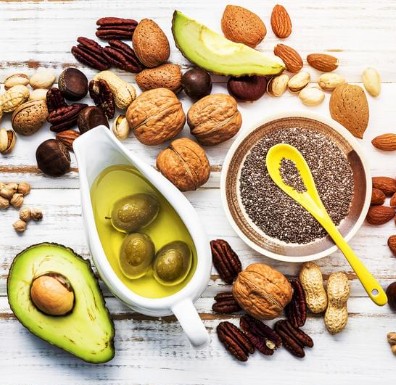
Many people think all fats are bad for their health, but some fats play an important role in keeping both the body and brain healthy. Unsaturated fats are considered healthy fats because they keep your heart healthy and support brain function. Research suggests that higher omega-3 intake is associated with better brain function throughout life and healthier brain aging." This clarifies that the omega-3s are supporting brain aging
Types of Unsaturated Fats
- Monounsaturated fats
- Help lower LDL (“bad”) cholesterol while maintaining HDL (“good”) cholesterol, supporting both heart and brain health.
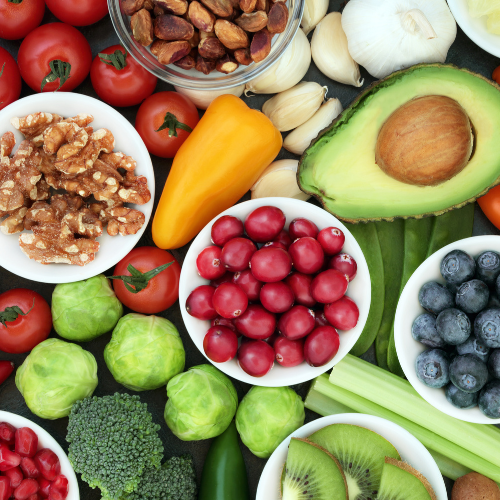
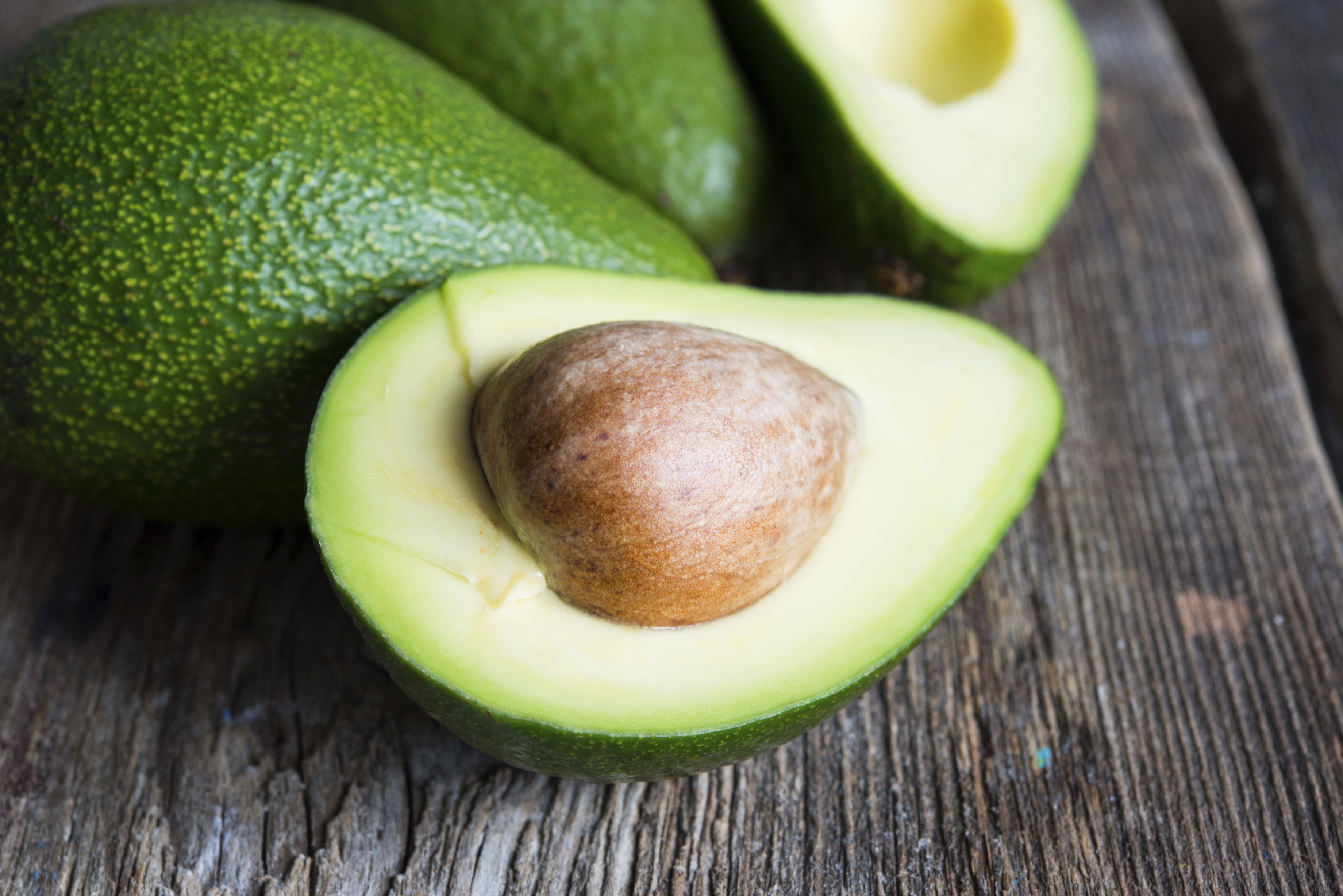
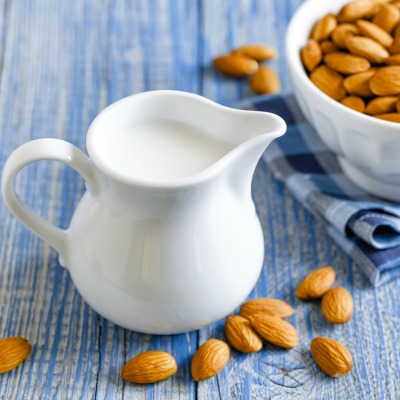
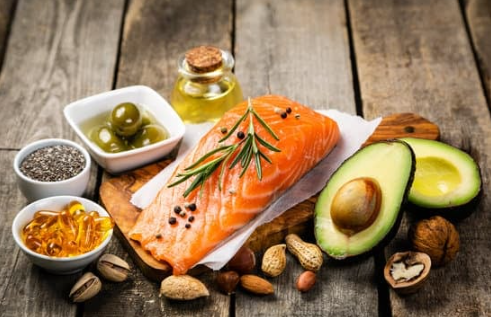
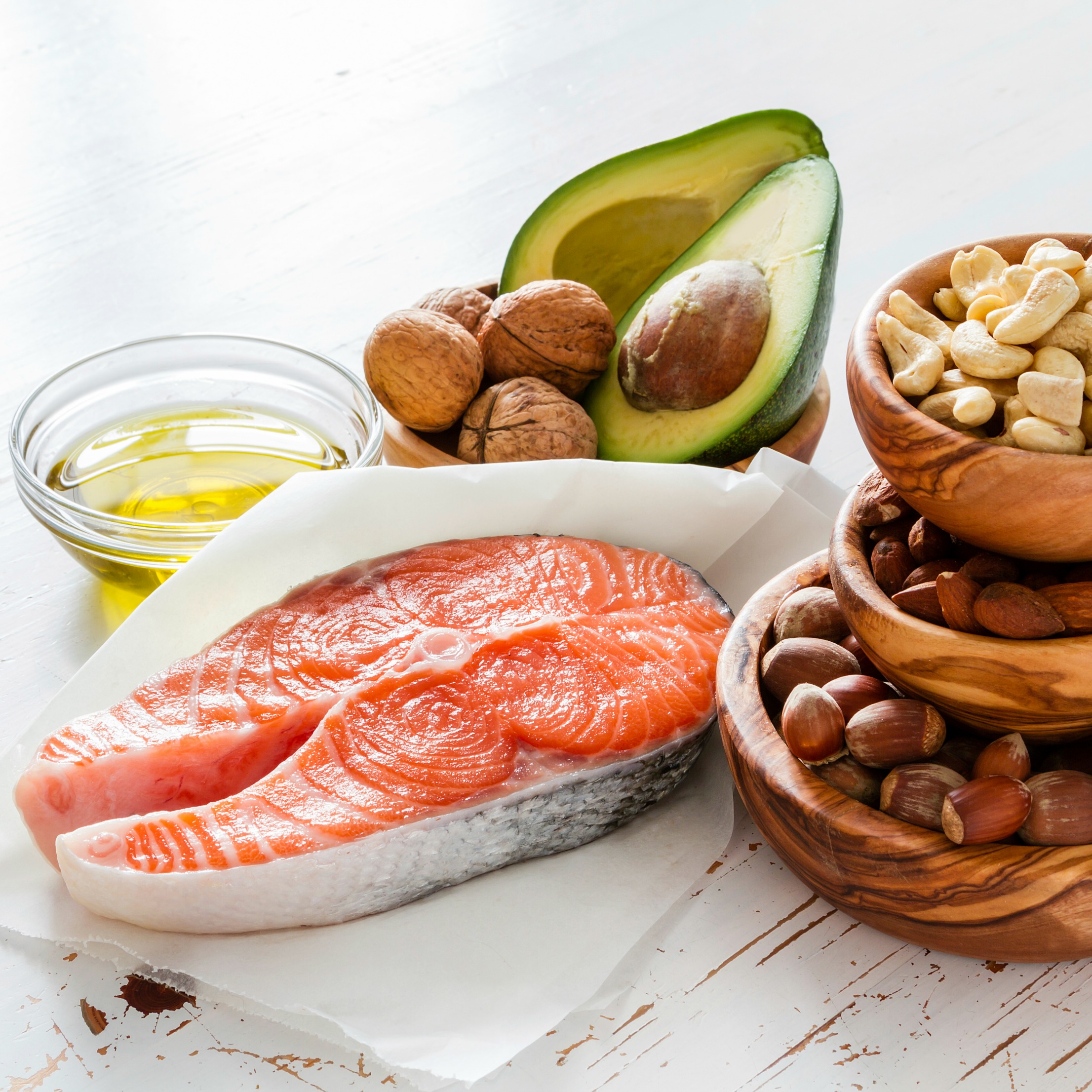
- Found in avocados, olive oil, almonds, peanuts, and cashews.
- Polyunsaturated fats
- The body needs polyunsaturated fats to stay healthy, but it cannot produce them on its own, so they must come from food.
- These fats include omega-3 fatty acids and omega-6 fatty acids, which help reduce inflammation and support brain function.
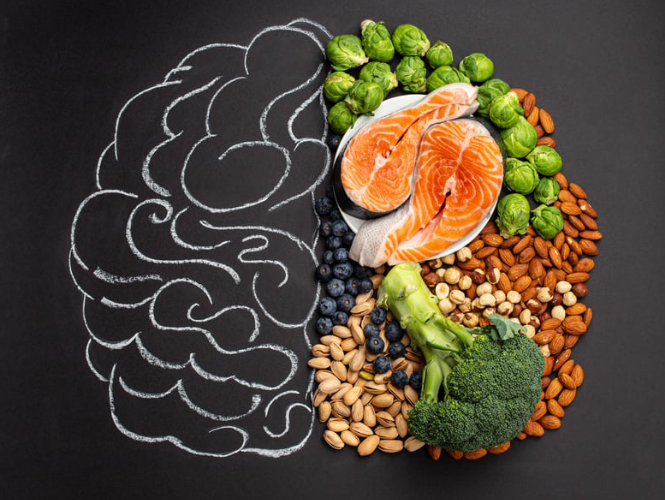
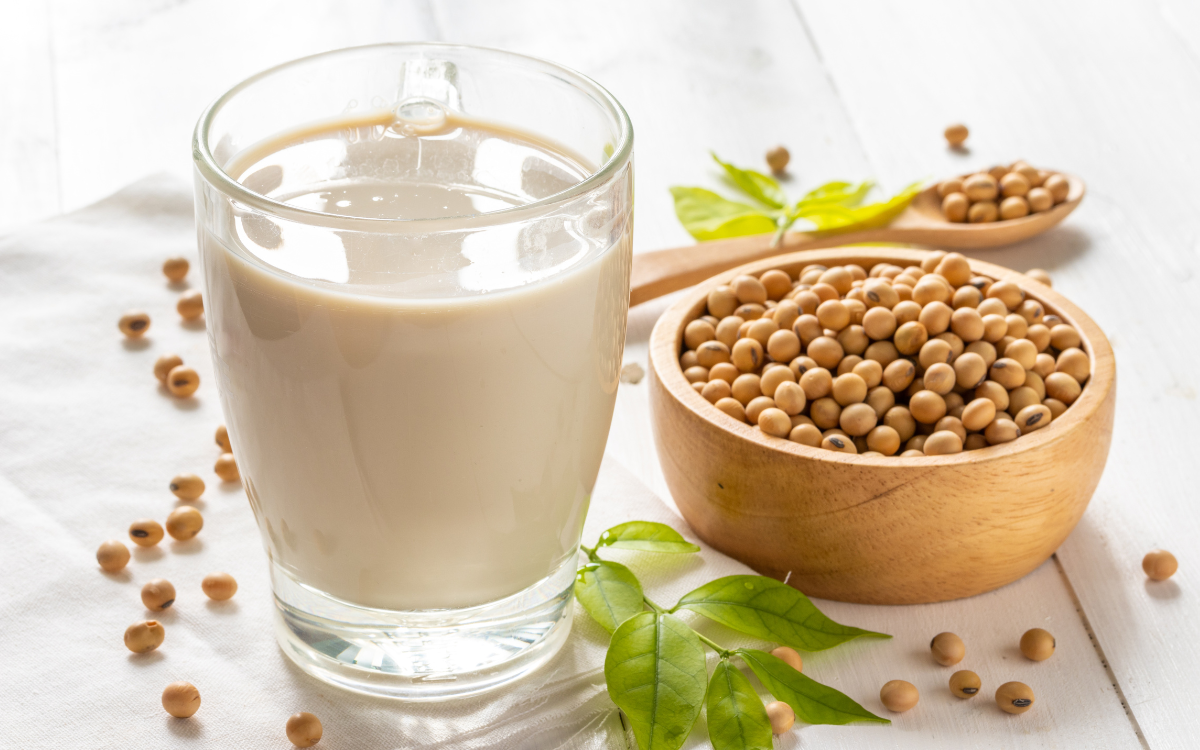
- Found in fish, walnuts, flaxseeds, chia seeds, sunflower oil, and soybean oil.
How Unsaturated Fats Support Brain Health
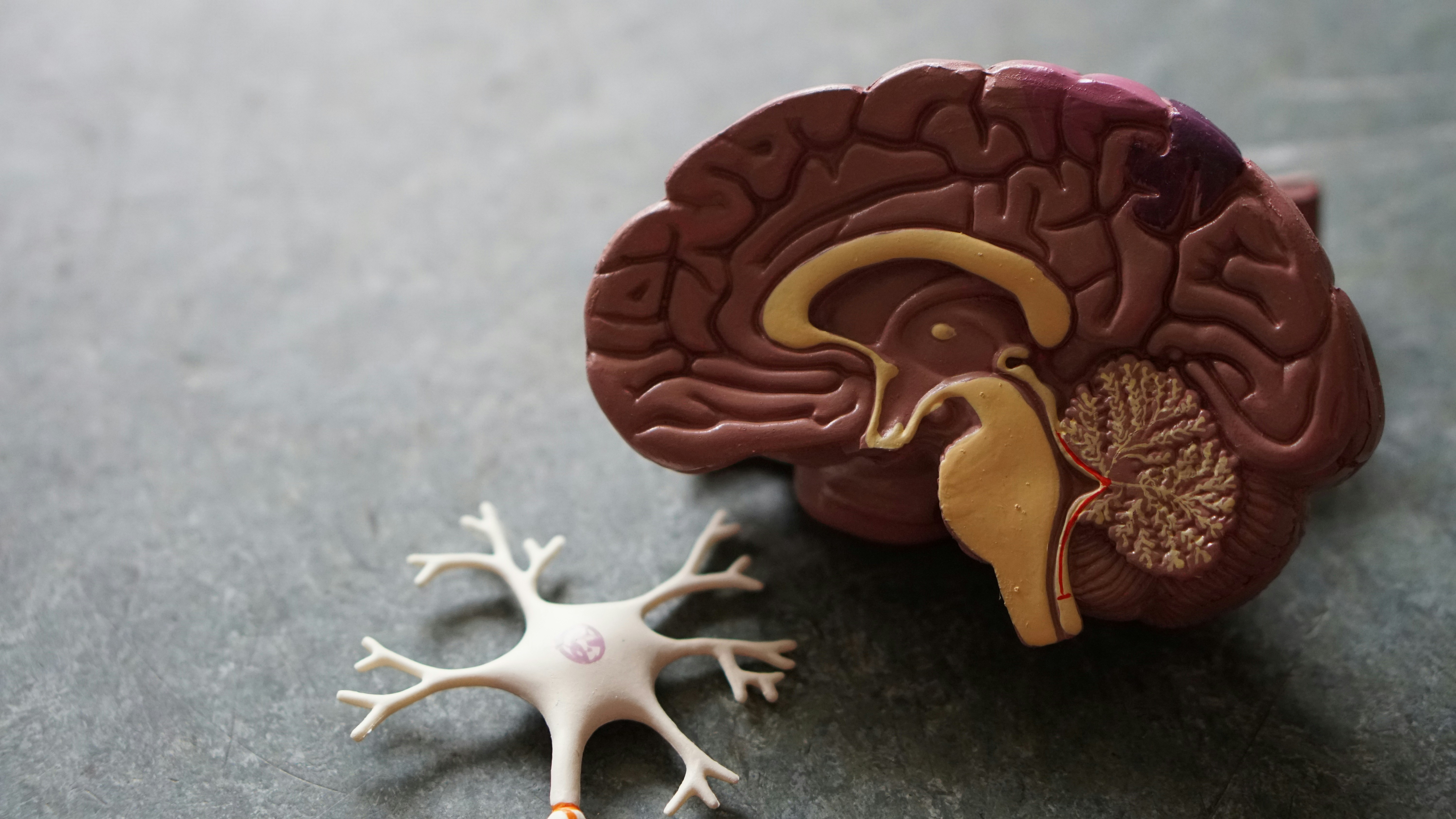
1. Support Learning and Memory - Omega-3 fats help support brain functions such as memory, concentration, and learning. Research suggests that higher omega-3 intake is associated with better brain function throughout life and healthier brain aging.
2. Maintain Brain Cells – DHA (docosahexaenoic acid), a type of omega 3, helps build and protect brain cells. Getting enough DHA helps brain cells communicate effectively with one another and supports overall brain function.
3. Reduce Inflammation – Chronic inflammation can negatively impact the brain and nervous system. Omega-3 fats have anti-inflammatory properties that may help protect brain tissue from damage.
4. Promote Health Aging – Eating a diet rich in unsaturated fats, such as the Mediterranean diet, may help slow cognitive decline and reduce the risk of conditions such as Alzheimer's disease.
Ways to add more unsaturated fats in your diet:
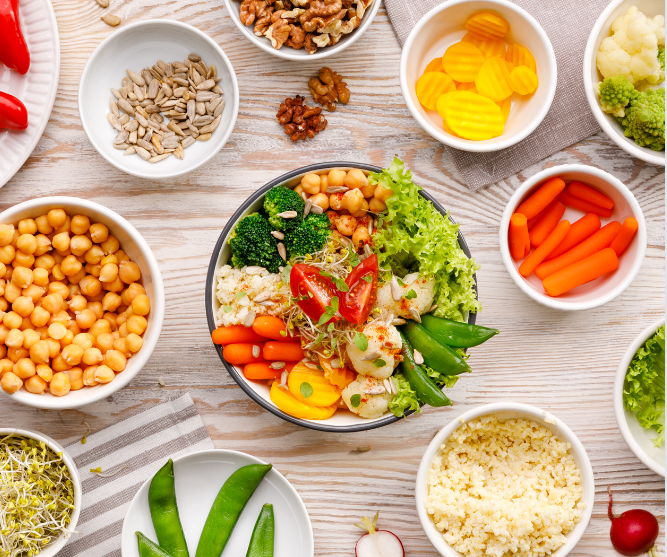
- Use olive oil instead of butter when preparing vegetables.
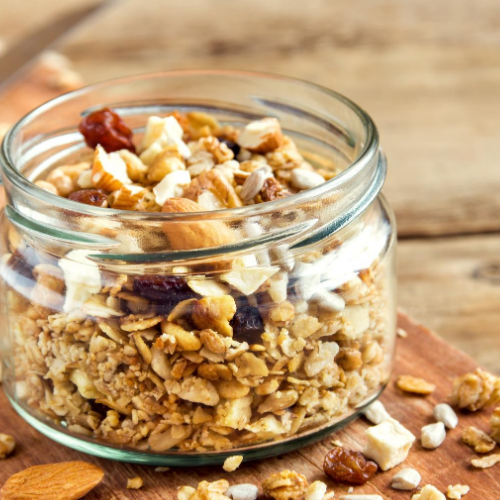
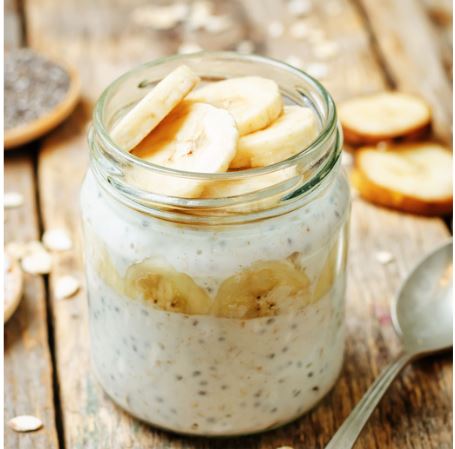
- Add nuts or seeds to your breakfast, such as oatmeal or yogurt.
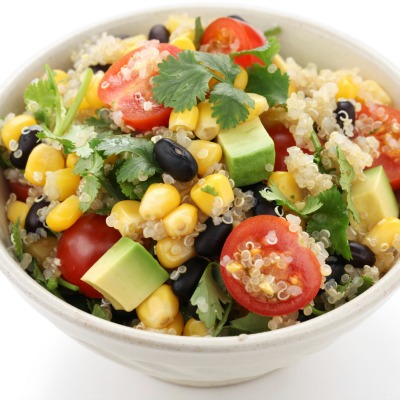
- Add sliced avocado to salads, and sandwiches, or enjoy it on toast.
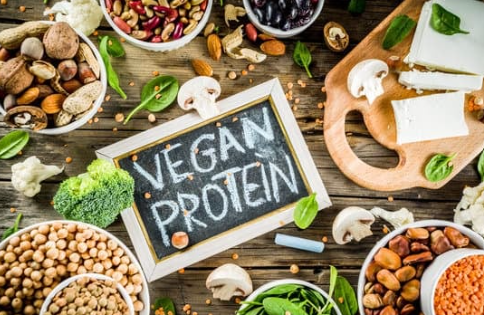
- Aim to eat fish such as salmon, trout, or tuna at least once a week or choose plant-based omega-3 sources such as walnuts, chia seeds, and flaxseeds several times a week.
Written by Cynthia Nakabiri, Health Promotion