
Post

Underactive Thyroid?

If your mind and body feel sluggish most of the time, you may have an underactive thyroid. Test your thyroid function yourself with these helpful tips.

Post Image

The thyroid gland, located in the base of the throat, produces the hormone thyroxine, which signals all brain and body cells to remain active. Prolonged stress and suboptimal nutrition can often lead to reduced production of thyroxine by the thyroid gland, resulting in undesirable symptoms.

Symptoms of an underactive thyroid include:

  • Physical or mental fatigue
  • Depression or irritability
  • Dry skin and/or hair
  • Intolerance to cold or cold hands and feet
  • Constipation, gas, bloating, or indigestion
  • Easy weight gain
  • Painful periods (for women)
  • Muscle pain
  • Poor memory
  • Sore throat or nasal congestion

If you have five or more of these symptoms, an underactive thyroid may be the issue.

Test your thyroid function with the Broda Barnes Temperature Test:

  • Shake out your thermometer and keep it by your bed.
  • Upon waking in the morning, before getting up, take your temperature for 10 minutes.
  • Your temperature should be between 97.7 to 98.6 degrees F.
  • Repeat these steps for at least 3 days (women should start this on day two or three of their period as body temperature fluctuates during the cycle).
  • If any of your temperature readings are consistently below 97.7 degrees F, repeat these steps for a week to confirm.

If you suspect you may have an underactive thyroid (hypothyroidism), consult your healthcare professional.

Natural ways to stimulate the thyroid:

  • Exercise at least three days a week for 30 minutes per workout to optimize thyroid function.
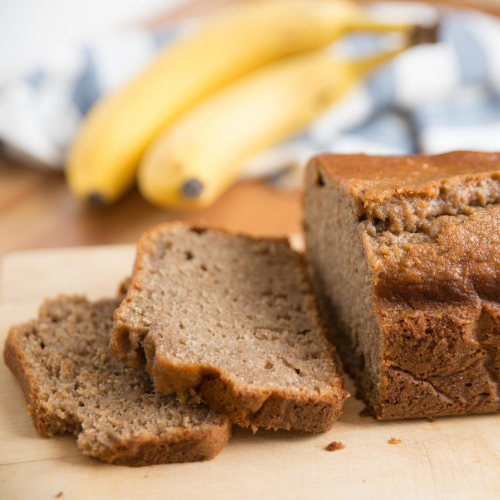
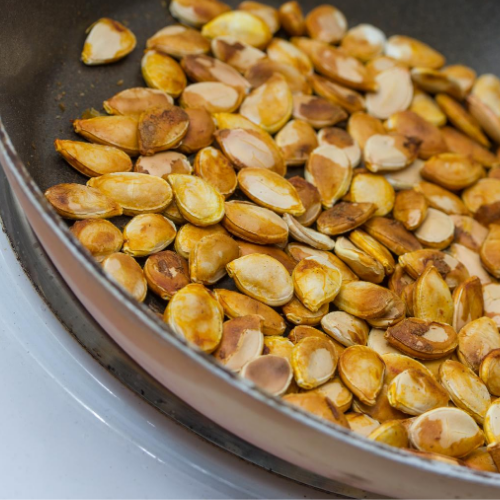
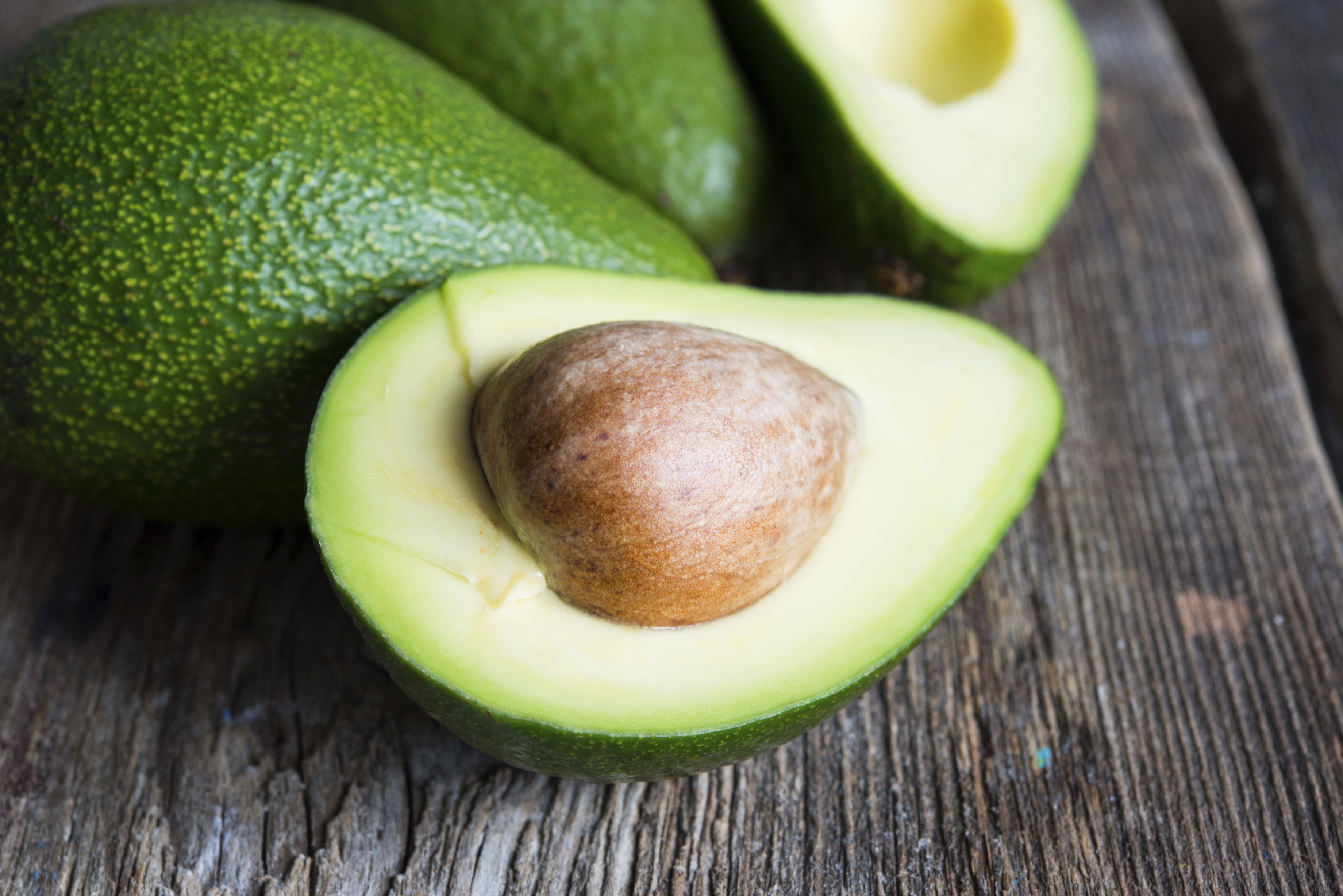
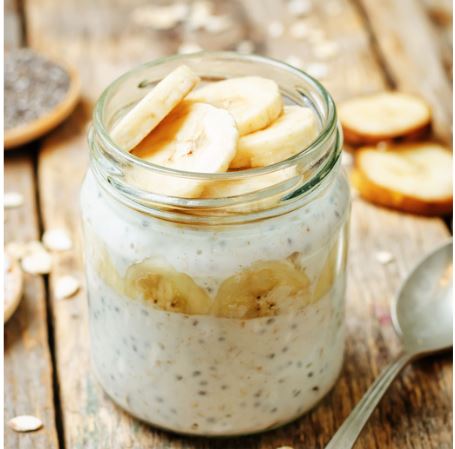
  • Eat more thyroid-boosting foods such as kelp, dairy products, eggs, bananas, lima beans, avocados, pumpkin seeds, and saltwater fish.
  • Supplements: Try 1,000 mg of tyrosine upon waking and at mid-day, taken on an empty stomach, along with a multimineral supplement containing 150 mg iodine, 11 mg zinc, and 55 mcg selenium. Invest in a quality multivitamin containing vitamins B, E, C, and A (beta-carotene) to be taken daily with food.
  • Consider an elimination diet or an IgG test to identify food sensitivities. Gluten sensitivity, in particular, can affect thyroid health.

Sources: Mindell, E., New Vitamin Bible. Grand Central Life & Style: New York, 2011. Holford, P., New Optimum Nutrition for the Mind. Basic Health Publications Inc: Laguna Beach, 2009.

You May Also Like

Post Mental Health

Omega-3 Facts For Your Heart

Post Mental Health

Mental Health Continuum

Post Mental Health

The 3 M's for Bone Health

Post Mental Health

Acupuncture

Post Mental Health

Anti-depressants: Do They Really Work?

Post Mental Health

Creating S.M.A.R.T. Goals

Post Mental Health

Calcium Supplements and Risk of Heart Disease

Post Mental Health

Carpal Tunnel Syndrome

Post Mental Health

Headaches

Post Mental Health

Relief for Rheumatoid Arthritis

Post Mental Health

Toxins in the Home

Post Mental Health

The Cold Hard Facts

Post Mental Health

Foot Pain? Could be Plantar Fasciitis

Post Mental Health

Varicose Veins

Post Mental Health

Underactive Thyroid?

Post Mental Health

Is it Hot in Here?

Post Mental Health

Gut Health, the Cornerstone for Optimal Health

Post Mental Health

Top 10 Tips for Blood Pressure

Post Mental Health

A Heart Healthy Diet

Post Mental Health

All About Cholesterol

Post Mental Health

Meet Your Immune System

Post Mental Health

The Gut – “Our Second Brain”

Post Mental Health

Deep Breathing for Relaxation

Post Mental Health

Movember Lifestyle: Nutrition, Activity, Prevention

Post Mental Health

Movember Lifestyle: Signs & Symptoms of Prostate Cancer

Post Mental Health

Mindfulness in Practice

Post Mental Health

All About Blood Pressure

Post Mental Health

Natural Antiseptics

Post Mental Health

Help Heartburn the Natural Way

Post Mental Health

Sleep & Heart Health

Post Mental Health

Talking to Youth About Mental Health

Post Mental Health

Sun Protection 101

Post Mental Health

End Mental Illness Stigma

Post Mental Health

World Cancer Day

Post Mental Health

20 Ways to Practice Self-Love

Post Mental Health

Multiple Sclerosis

Post Mental Health

Magna Global 6K for Water

Post Mental Health

Sun Safety

Post Mental Health

Lyme Disease: Prevention

Post Mental Health

All About Sleep

Post Mental Health

Brain Games

Post Mental Health

The Importance of Social Connections

Post Mental Health

Physical Activity for Self-Care

Post Mental Health

Self-Appreciation Mantras

Post Mental Health

Practicing Gratitude Tips

Post Mental Health

Happy International Women's Day!

Post Mental Health

Osteoporosis & Men

Post Mental Health

Osteoporosis - Take The Quiz!

Post Mental Health

Spot the Difference: Getting Mole Checks

Post Mental Health

Navigating Mental Health Practitioners

Post Mental Health

Every Breath Matters, Make Yours Count

Post Mental Health

The Bone Truth: Osteoporosis and Women

Post Mental Health

Perimenopause VS Menopause

Post Mental Health

Side-by-Side: Male Friendships

Post Mental Health

Tough Talks to Support Men's Mental Health

Post Mental Health

The Power of Ritual

Post Mental Health

How to Write a Journal

Post Mental Health

Beating the Seasonal Blues

Post Mental Health

Importance of In-Person Social Connections

Post Mental Health

Mental Health Week (in Canada)

Post Mental Health

Work-Life Balance @ Magna

Post Mental Health

Identify and Manage Burnout

Categories