
Mental Health & The Menopause Transition
 Download PDF

Understanding Menopause and Mental Health
Menopause is defined as 12 consecutive months without a menstrual period. The transition leading up to menopause, known as perimenopause, can last several years and is often accompanied by hormonal fluctuations. After menopause occurs, the body enters a postmenopausal stage.
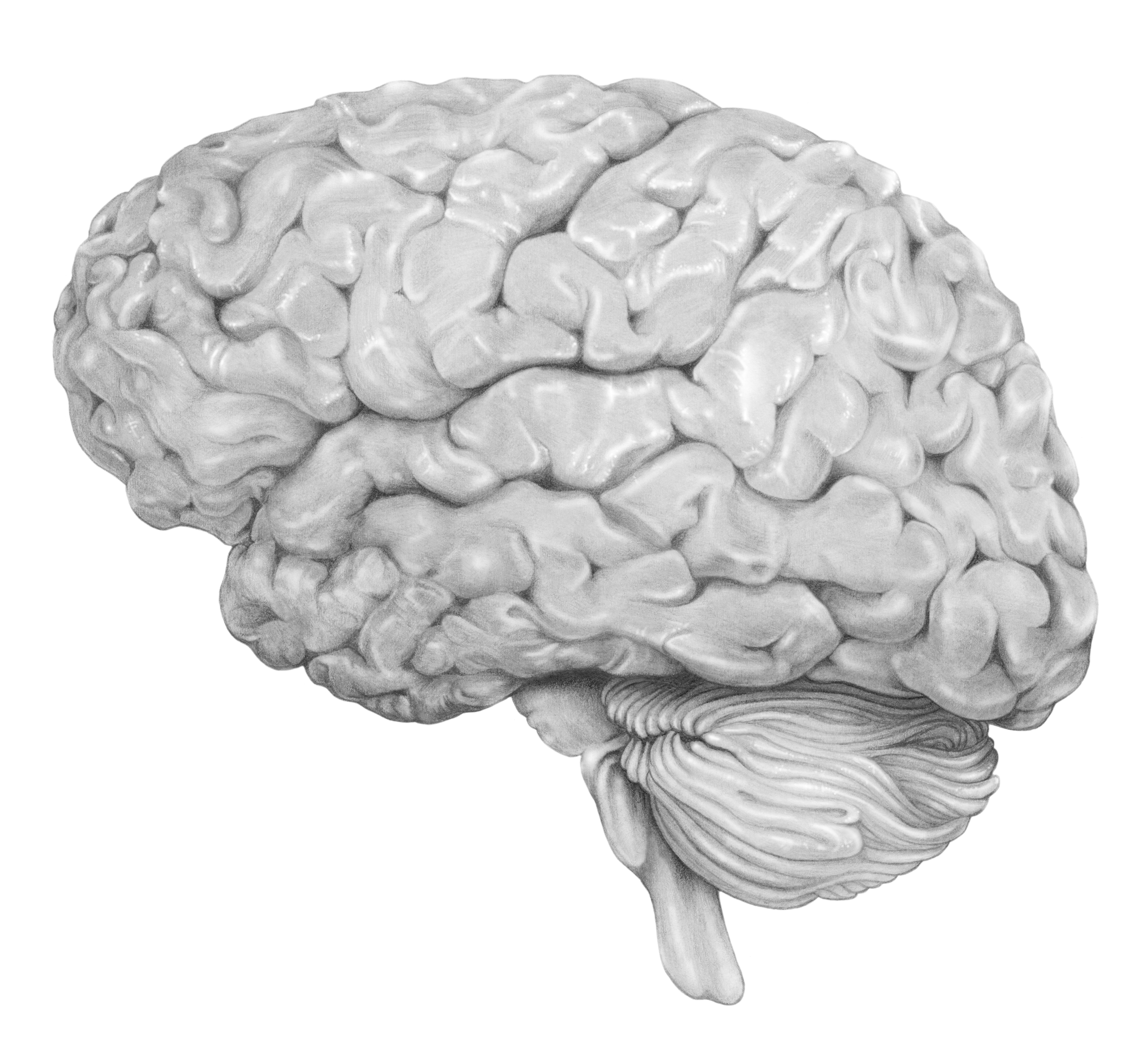
These hormonal changes can affect more than just physical health. They can also influence sleep, mood, and overall mental well-being. Some individuals may experience:
- Increased feelings of stress, anxiety, or depression
- Changes in mood or emotional well-being
- Brain fog, difficulty concentrating, or increased irritability
- Sleep disturbances that can impact mental health
While these experiences are common, they are not inevitable and can look different for everyone. Mental health changes may begin during perimenopause and, for some individuals, continue into the postmenopausal years.
Connection Between Sleep and Mental Health
Sleep and mental health are closely connected. Research suggests that 40–60% of women experience sleep disturbances during the menopause transition, and poor sleep can contribute to lower mood, difficulty concentrating, and increased stress. The good news is that improving sleep is often one of the most effective ways to support overall mental well-being during perimenopause and post menopause.
Supporting Your Mental Health During the Menopause Transition
- Address sleep disturbances early. Sleep and mental health are closely connected. Create a sleep environment that meets your needs, such as using a fan, cooling sheets, breathable bedding, or maintaining a consistent sleep schedule, to improve sleep quality.
- Talk to your healthcare provider about managing vasomotor symptoms. Hot flashes and night sweats can significantly disrupt sleep and contribute to fatigue, irritability, and lower mood. For some individuals, hormone therapy may be an appropriate option to help manage symptoms and improve quality of life.
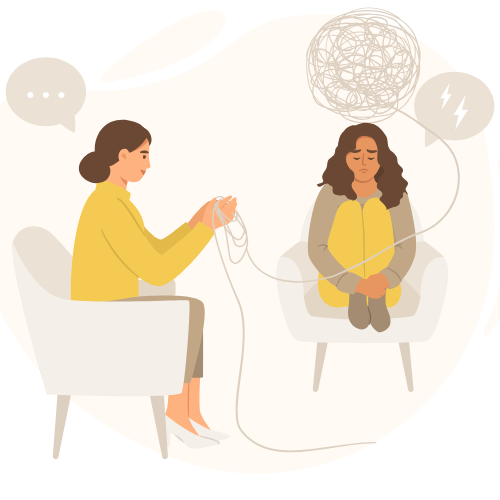
- Consider counselling or Cognitive Behavioural Therapy (CBT). CBT is an evidence-based approach that has been shown to help with anxiety, depression, stress management, and insomnia during the menopause transition.
- Connect with others. Menopause can sometimes feel isolating. Peer support groups, menopause communities, and trusted friends or family members can provide understanding, reassurance, and shared experiences.
- Stay physically active. Regular movement can help support mood, improve sleep quality, reduce stress, and contribute to overall well-being.
- Seek medical support when needed. If anxiety, depression, sleep disturbances, or other symptoms are affecting your quality of life, speak with a healthcare provider. Treatment options may include counselling, medications such as antidepressants or anti-anxiety medications, hormone therapy, or a combination of approaches based on your individual needs.
If symptoms are affecting your quality of life, speak with your healthcare provider to discuss the options that may be right for you.
Resources We Think Could Be Helpful
- Women and Diversity Health Guide to Menopause (Government of Canada) https://www.canada.ca/en/department-national-defence/services/benefits-military/health-support/women-diversity-health/health-guide/wdh-menopause-guide.html
- Canadian Menopause Society - Menopause Symptoms & Information Hub https://www.canadianmenopausesociety.org/professionals/menopause-hub/symptoms/
- Society of Obstetricians and Gynaecologists of Canada (SOGC) - Menopause Resources https://www.menopauseandu.ca/resources/
Written by Sydney Glac (Health Promotion Coordinator)