
The Brain Simplified
 Download PDF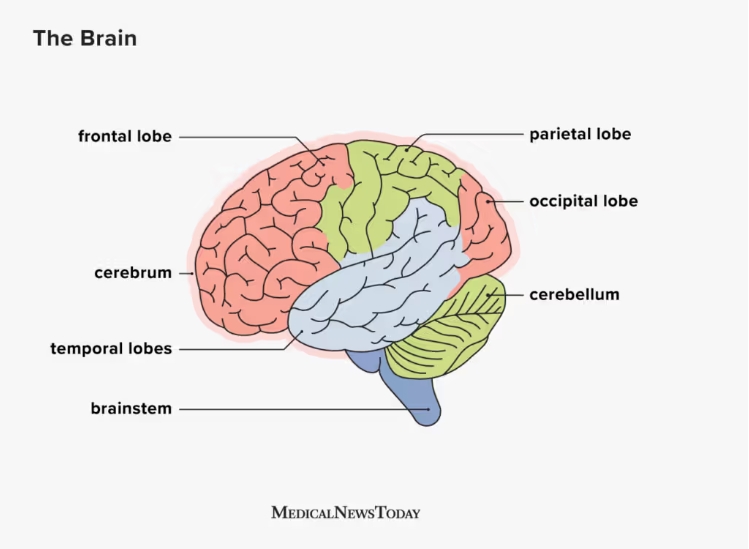
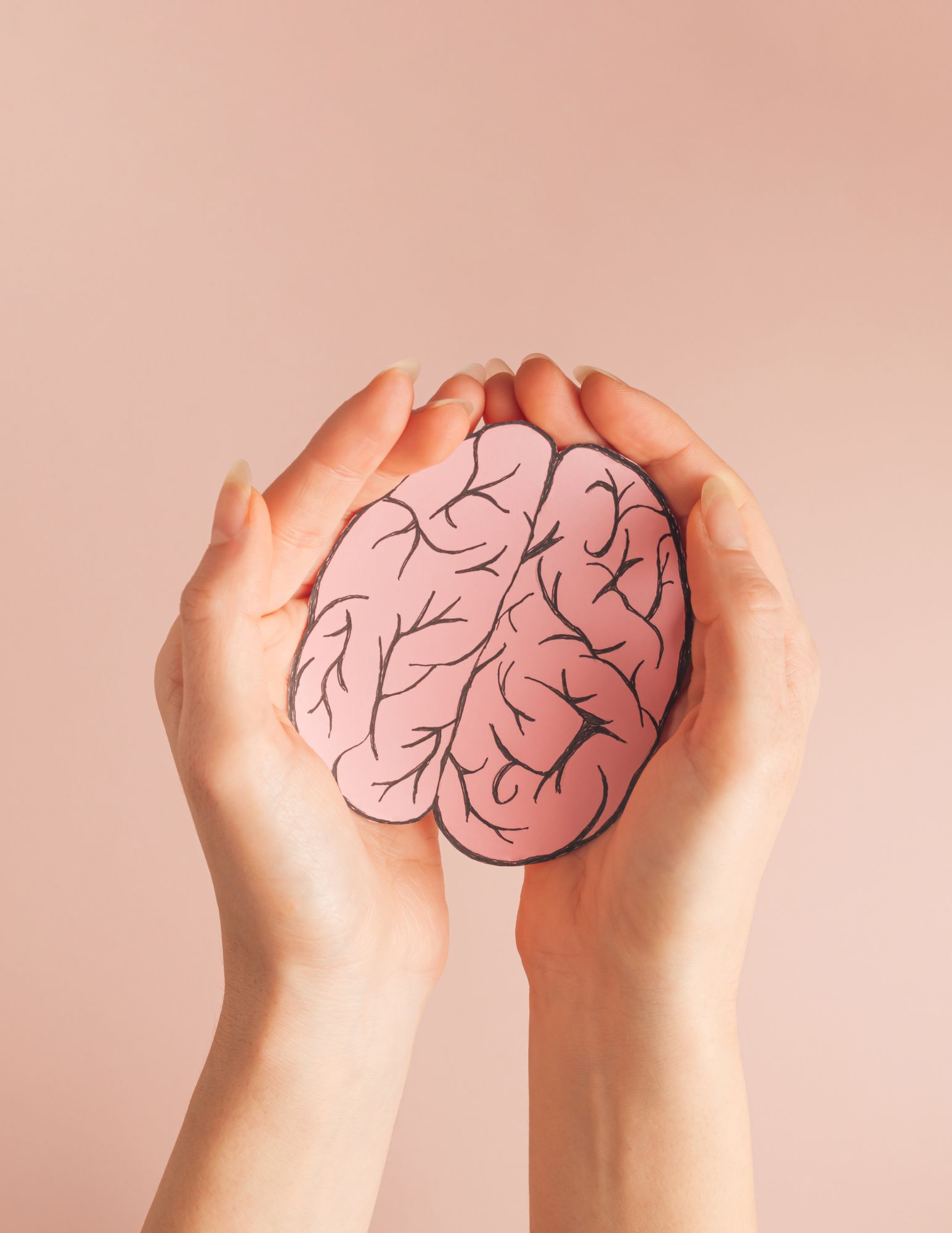
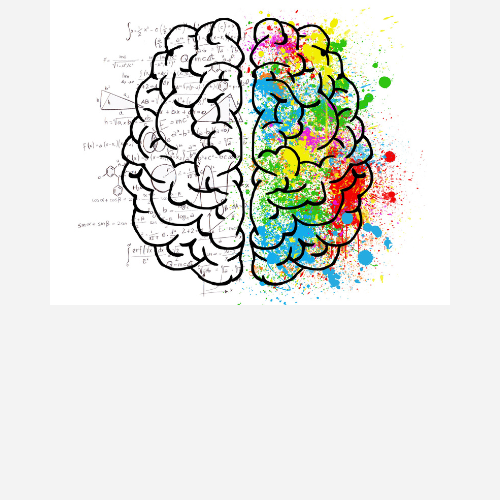
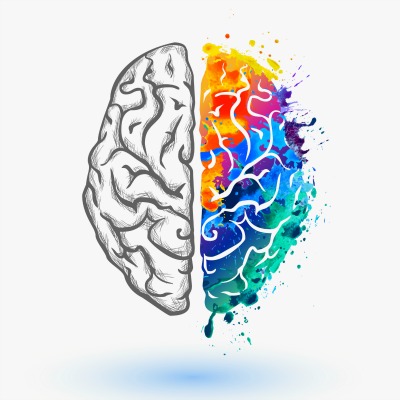
The brain controls how our body operates. From helping us breathe to creating memories, the brain is one of the most important organs in the human body.
Just like the wiring in a house, the brain sends electrical signals throughout the body using a network of nerves. These nerve pathways (nervous system) allow the brain to communicate with different parts of the body, helping us move, learn, and respond to the world around us.
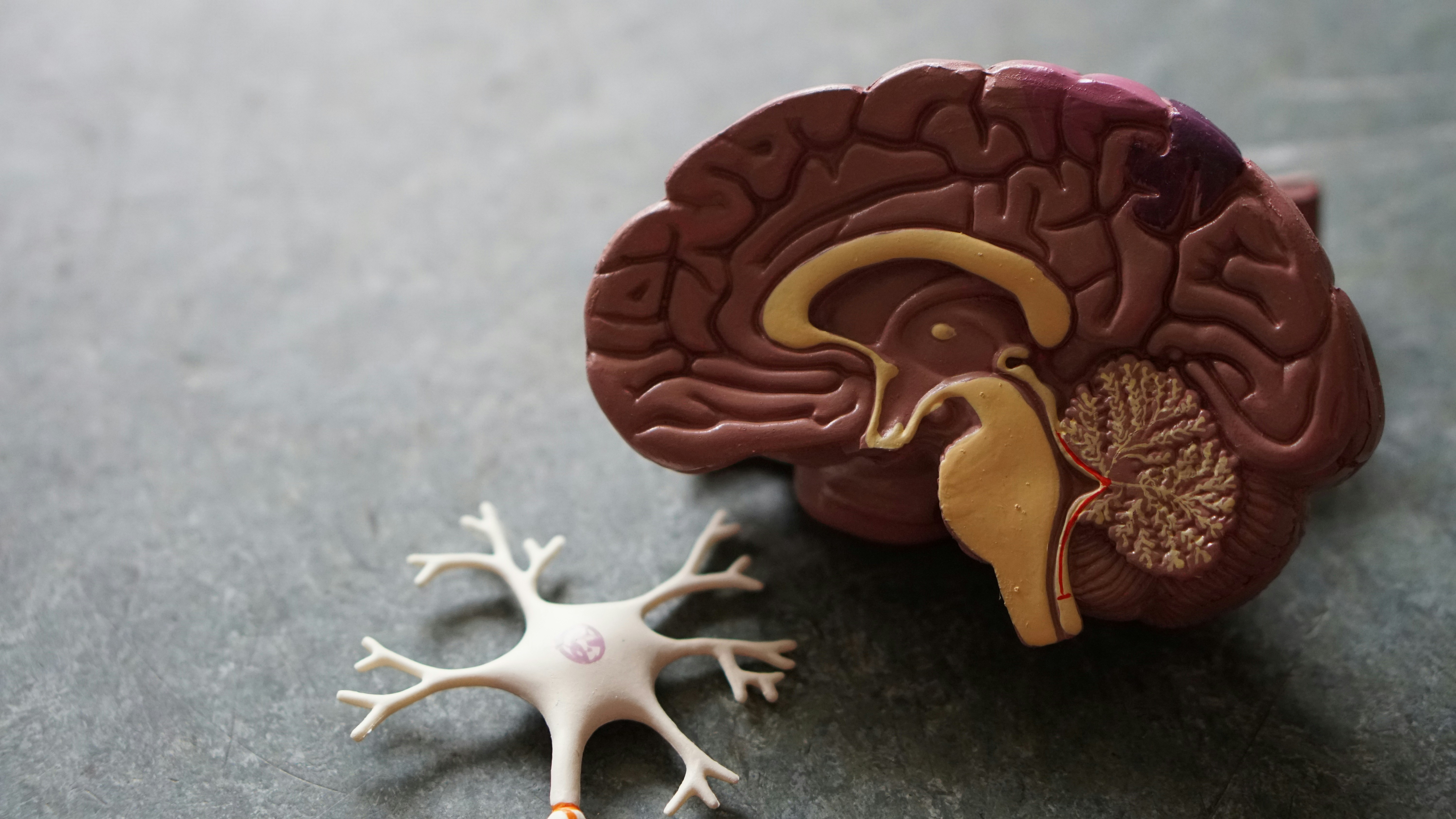
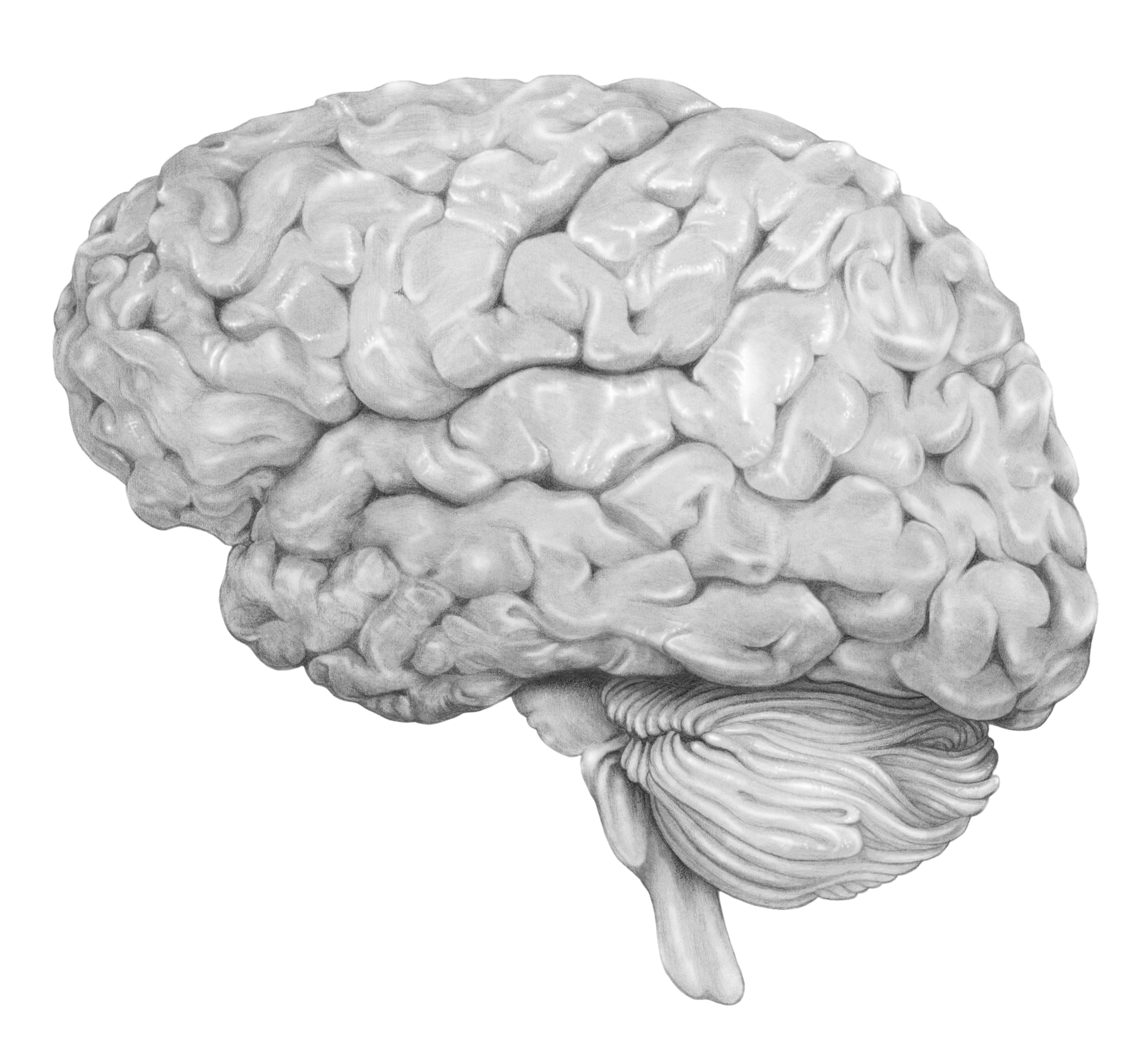
Below are the three main parts of the brain: the cerebrum, cerebellum and brain stem.
1. Cerebrum (largest part of the brain)
The cerebrum is often referred to as the brain's "thinking centre." It is responsible for many of the functions that make us who we are, including our personalities, emotions, and language.
The cerebrum is made up of four lobes, each with a specific role:
- Frontal Lobe: Responsible for decision-making, speech, and voluntary movements.
- Parietal Lobe: Processes touch, temperature, pain, and the space around our bodies.
- Temporal Lobe: Helps us hear, understand language, learn, and form memories.
- Occipital Lobe: Processes what we see, helping us visually interpret the world around us.
2. Cerebellum
Located beneath the cerebrum, the cerebellum helps coordinate movement, posture, and balance. It also plays an important role in fine motor skills, such as writing, buttoning a shirt, or catching a ball. The cerebellum helps ensure our movements are smooth, controlled, and accurate.
3. Brain Stem
The brain stem acts as a communication pathway between the brain and the spinal cord, carrying messages to and from the rest of the body. It is responsible for many of the body's automatic functions that keep us alive, including breathing, regulating our heart rate and blood pressure, swallowing, and reflexes such as coughing and sneezing. These activities are known as involuntary functions because they happen automatically without us having to think about them.
Follow along the rest of the month to learn more about how to keep our brains happy and healthy!
Written by Sydney Glac, Health Promotion Coordinator