
Talking to Youth About Mental Health
 Download PDF
Understanding Mental Health
Over the past few years, there has been a noticeable increase in conversations and advertisements about mental health. You may have participated in "Healthy Minds at Magna" activities in 2018 and 2019 if you are in Canada. While the discussion about mental health and mental illness has progressed, you may still have questions, particularly about how to talk to children and teens in your life about mental health, and what signs to watch for indicating changes in their mental health. Although each child and family is unique, the information below, adapted from credible mental health resources, can provide a valuable starting point.
Mental Disorders and Depression
Mental disorders are real medical conditions, each with unique characteristics, signs, symptoms, and treatments. The most common mental disorder is depression, a mood-related disorder that can significantly impact feelings, thoughts, reactions, and behaviors. It can affect almost every aspect of life, including relationships, work, and daily activities.
Recognizing Signs of Depression in Youth
Depression can affect young people similarly to adults, but signs may be missed or dismissed as normal mood swings. Open dialogue with children and youth is crucial for identifying mood-related disorders early. They may not initiate discussions due to fear of judgment or lack of understanding about their own feelings.
Common Signs to Watch For
- Physical Health: Complaints of not feeling well, changes in eating and sleeping habits, unexplained weight loss or gain, constant fatigue.
- Thinking: Difficulty concentrating, self-deprecating comments, thoughts of suicide (seek professional help immediately).
- Behavior: Social withdrawal, loss of interest in activities, emotional outbursts, prolonged low mood or anxiety.
Starting Conversations About Mental Health
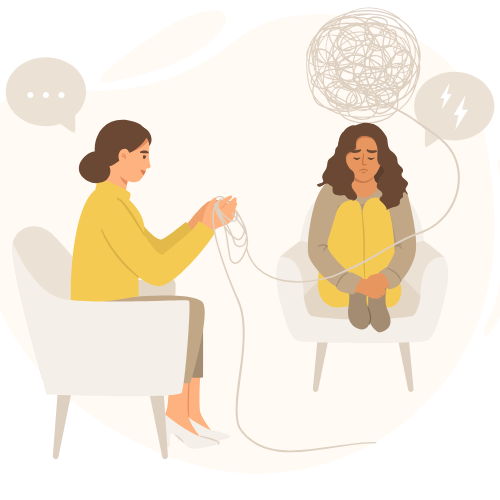
Initiate open conversations early and regularly, emphasizing that experiencing low periods is normal, but prolonged impacts on daily life require help. Ensure discussions are held in a comfortable environment, free of judgment or negative reactions.
Tips for Starting Conversations
- Educate yourself on mental health basics from reputable sources.
- Choose a calm, private space for discussions.
- Remain calm and empathetic; avoid negative reactions.
- Encourage open communication and reassure non-judgmental support.
- Monitor for signs and changes, and seek professional support if needed.
Seeking Support
Support options include family doctors, school resources, and mental health professionals who can assess and provide appropriate care and support.
References
- Sunnybrook Health Sciences Centre - Talking about Mental Illness
- Canadian Mental Health Association - Children, Youth, and Depression
- CMHA - Children, Youth, and Depression Brochure
Don’t hesitate to initiate these conversations. Educate yourself, seek appropriate supports, and maintain an open and supportive dialogue. Remember, mental health is essential for overall well-being.