
Acupuncture
 Download PDF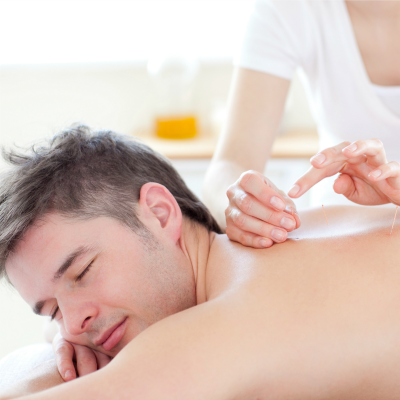
Acupuncture is an ancient form of Chinese medicine involving the insertion of thin needles into the skin at specific points on the body to achieve a therapeutic effect. There are no drugs involved in this process; the needles alone create the beneficial effects.
History
The earliest recorded use of acupuncture dates from 200 BC. This form of treatment spread from China along Arab trade routes towards the West. Most North Americans had not heard of acupuncture until President Richard Nixon made his famous trip to China in 1971. A New York Times reporter on Nixon’s trip, James Reston, happened to develop appendicitis while they were there. After the surgery Reston developed a condition known as ‘paralytic ileus’, meaning his small bowel had stopped functioning. An acupuncture needle was inserted and Reston recovered. Before long, acupuncture took off in North America as a widespread form of alternative medicine.
Yin and Yang
In acupuncture, conditions of ill health are defined by Yin and Yang. Yin involves all deficient, cold conditions, such as chronic pain with no inflammation, paleness, and a lack of activity. Yang involves all excess, hot conditions, such as symptoms of fever, inflammation, and hyperactivity. Most pathology in the body has elements of both Yin and Yang.
The principles of Yin and Yang are central to the treatment of acupuncture. The acupuncturist will attempt to transfer energy from excess channels to the deficient channels to create a balance of energy known as Qi (pronounced “chee”).
Process
Acupuncture needles are solid, usually stainless steel, and measure from 13-70 mm. They are very fine, flexible and rounded, however sharp at the tip. The design allows the needles to slide smoothly through tissue without causing damage.
The places where the acupuncture needles are inserted (called ‘acupoints’) are places on the skin that have a lower resistance to the passage of electricity than the surrounding skin. They are places that were mapped out hundreds of years ago by the Chinese, mostly found along ‘channels’ that are believed to be the pathways through which Qi flows through the body.
Depending on the condition being treated, needles may be inserted superficially (close to the skin) or more deeply.
How does acupuncture work?
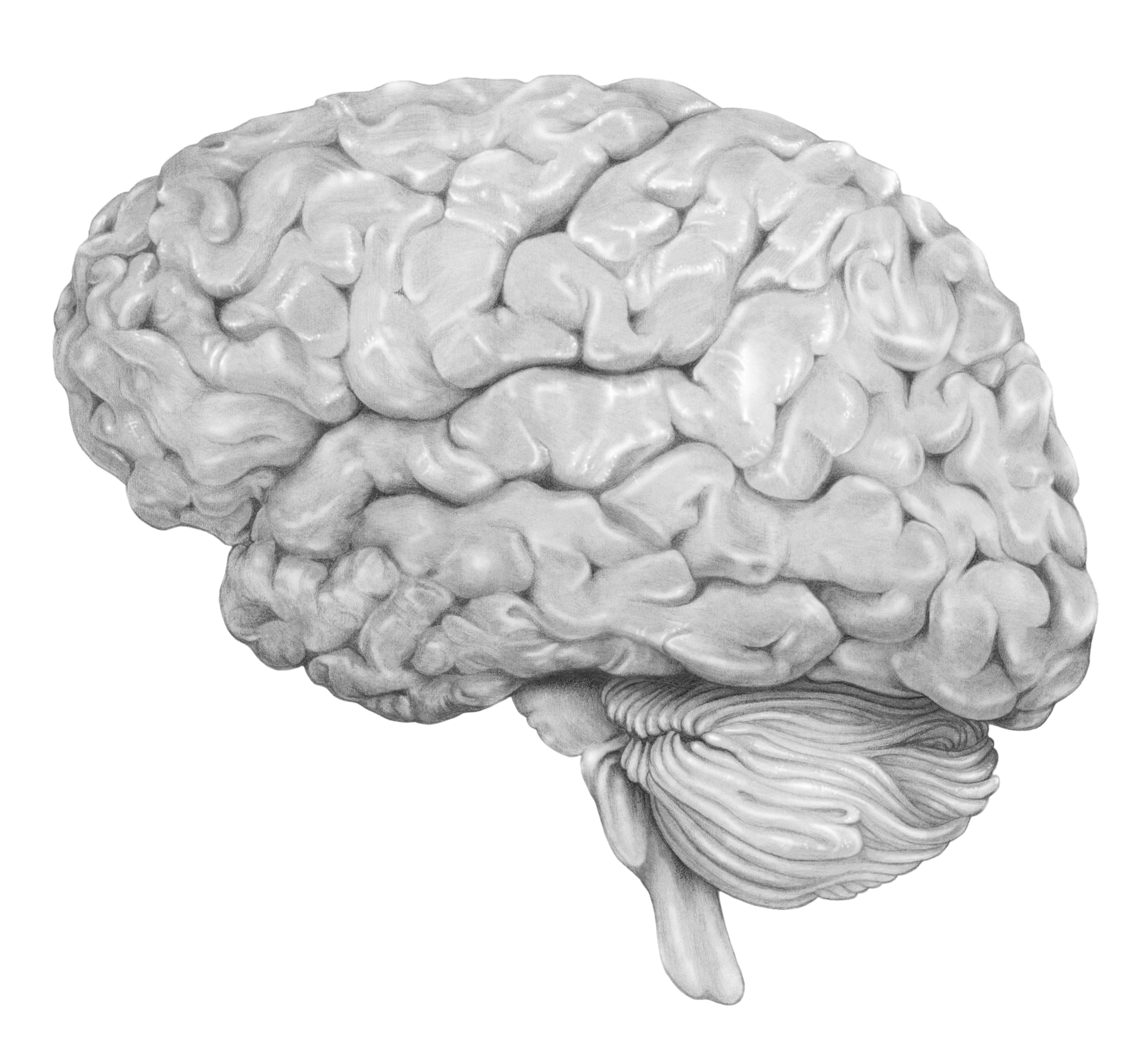
The effects of acupuncture are complex and perhaps not entirely clear. A study of brain images confirmed that acupuncture increases our pain tolerance level, which may explain why it produces long-term pain relief. Acupuncture may also increase blood circulation and body temperature, affect white blood cell activity (responsible for immune function), reduce cholesterol levels and regulate blood sugar levels.
What to expect
An acupuncturist will begin by asking you some questions, taking your pulse at several points along the wrist, and looking at your posture or other physical characteristics that will offer clues to your health. You will then lie down on an examining table and the acupuncturist will insert the needles, twirling or gently jiggling each as it goes in. You may feel a quick twinge of pain as the needle is going in but that will turn into either a dull achy feeling or no pain at all when the needle is fully inserted. Once the needles are in place, you will be free to rest for 15 – 60 minutes before the needles are removed.
What can acupuncture treat?
The World Health Organization has a list of conditions that acupuncture can treat:
Upper respiratory tract:
- Acute sinusitis
- Acute rhinitis
- Common cold
- Acute tonsillitis
Respiratory system:
- Acute bronchitis
- Bronchial asthma
Disorders of the eye:
- Acute conjunctivitis
- Central retinitis
- Myopia (in children)
- Cataract (without complication)
Disorders of the mouth:
- Toothache, post extraction pain
- Gingivitis
Acute and chronic pharyngitis
Gastro-intestinal disorders:
- Spasm of the oesophagus and cardia
- Hiccough
- Gastroptosis
- Acute and chronic gastritis
- Gastric hyperacidity
- Chronic duodenal ulcer
- Acute and chronic colitis
- Acute bacilliary dysentery
- Constipation
- Diarrhea
- Paralytic ileus
Neurological and musculoskeletal disorders:
- Headache and migraine
- Trigeminal neuralgia
- Facial palsy
- Pareses following a stroke
- Peripheral neuropathies
- Sequelae poliomyelitis
- Meniere’s disease
- Neurogenic bladder dysfunction
- Nocturnal enuresis
- Intercostal neuralgia
- Cervicobrachial syndrome
- “Frozen shoulder”
- “Tennis elbow”
- Sciatica
- Low back pain
- Osteoarthritis
Sources: http://www.collegeofacupuncture.com