
Are You Getting Enough Protein?
 Download PDF
Protein is gaining popularity as many companies are marketing new products with protein or highlighting the amount of protein in their products. But why is it so important?
Protein is a macronutrient that your body needs to stay healthy. It is made of small parts called amino acids. Your body needs 20 different types of amino acids. The body makes 11 of them on its own, but the other 9 must come from the foods you eat. These are called essential amino acids.
Protein is important to the body as it helps break down food, repairs and helps maintain healthy skin, hair, and nails. It also supports the immune system, builds muscles, and helps you feel full longer after eating. While protein is important, the body cannot store excess amounts, so anything beyond the body’s needs gets flushed out in feces.
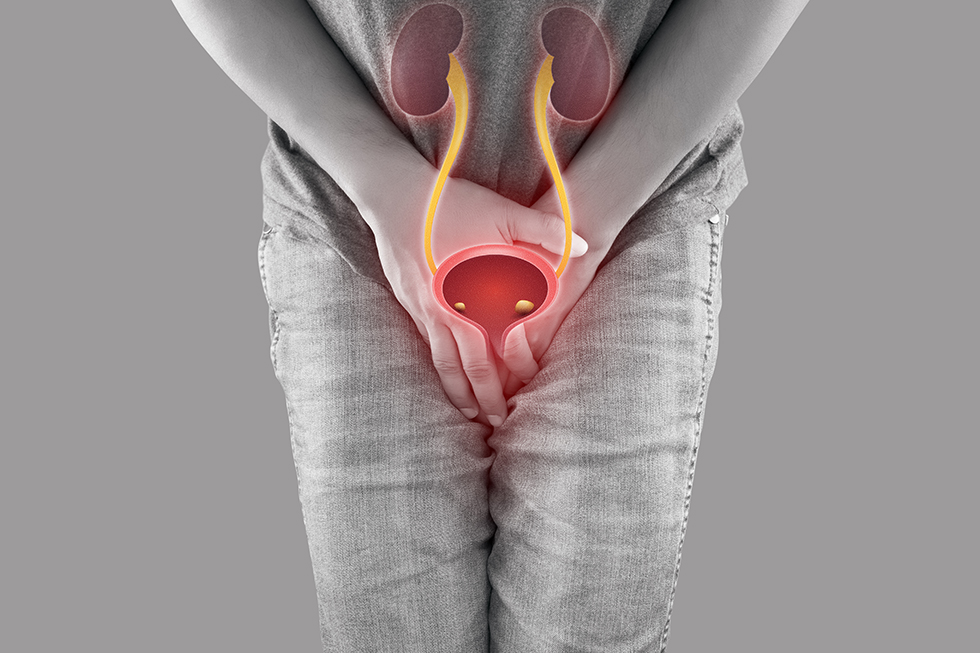
So, why are you seeing protein food products everywhere? Consumers want more protein-rich foods as part of a muscle gain or weight management strategy, so companies are responding to consumer wants by developing these and promoting them more on social media. However, many people are eating enough protein in their usual diets, so anything additional is not necessary. Research has shown that healthy individuals eating above their protein needs on an occasional basis is not harmful, but often eating above their needs can cause kidney problems.
Should you take protein supplements? Here’s a rough guideline to help you determine this:
- Calculate the amount of protein you need daily.The recommended daily protein intake for an adult is 0.8g per kg of body weight or 0.36g per pound of body weight. An active individual who often trains or plays sports needs 1.2-1.7g per kg of body weight or 0.5-0.8g per lbs of body weight.
- Look at what you are already eating. Keep track of the amount of protein you eat in your current diet. It is better to get protein from whole foods before taking supplements.
- Buy supplements if you think there is a gap. If you are not getting enough protein from the foods you are eating, buy supplements to help with your intake.
- Check the label. Avoid protein products that are high in sugar, fat, and artificial flavours.
- Listen to your body. Once you have increased your protein intake, check-in to see if you feel fuller, energized, and balanced. Adjust protein intake if you are feeling low, bloated, or uncomfortable.
It is great to see protein products being easily accessible on the grocery store shelves, as it is important for our body. However, it is also important for us to reflect on whether we need to spend money on these products if we are already hitting our recommended intake. Consider this and let us know if you need any help!
Written by Mary Mendoza, Health Promotion Coordinator