
Why the Brain Craves Sugar
 Download PDF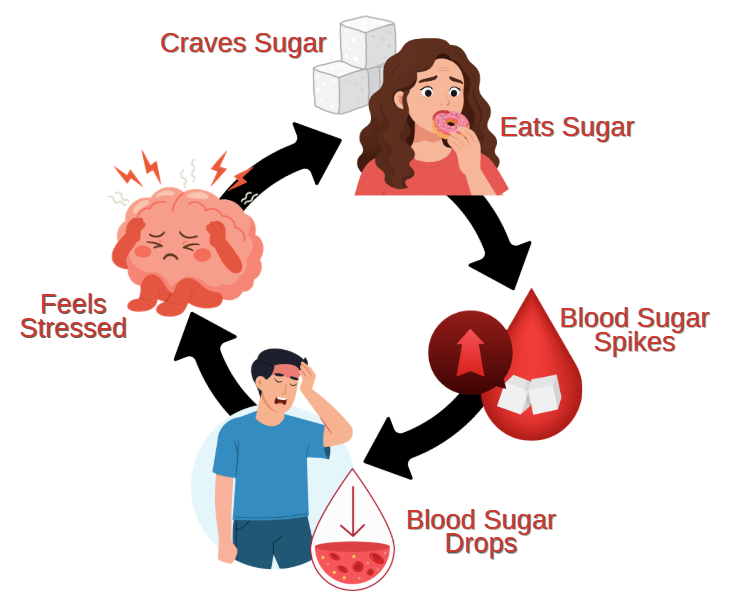
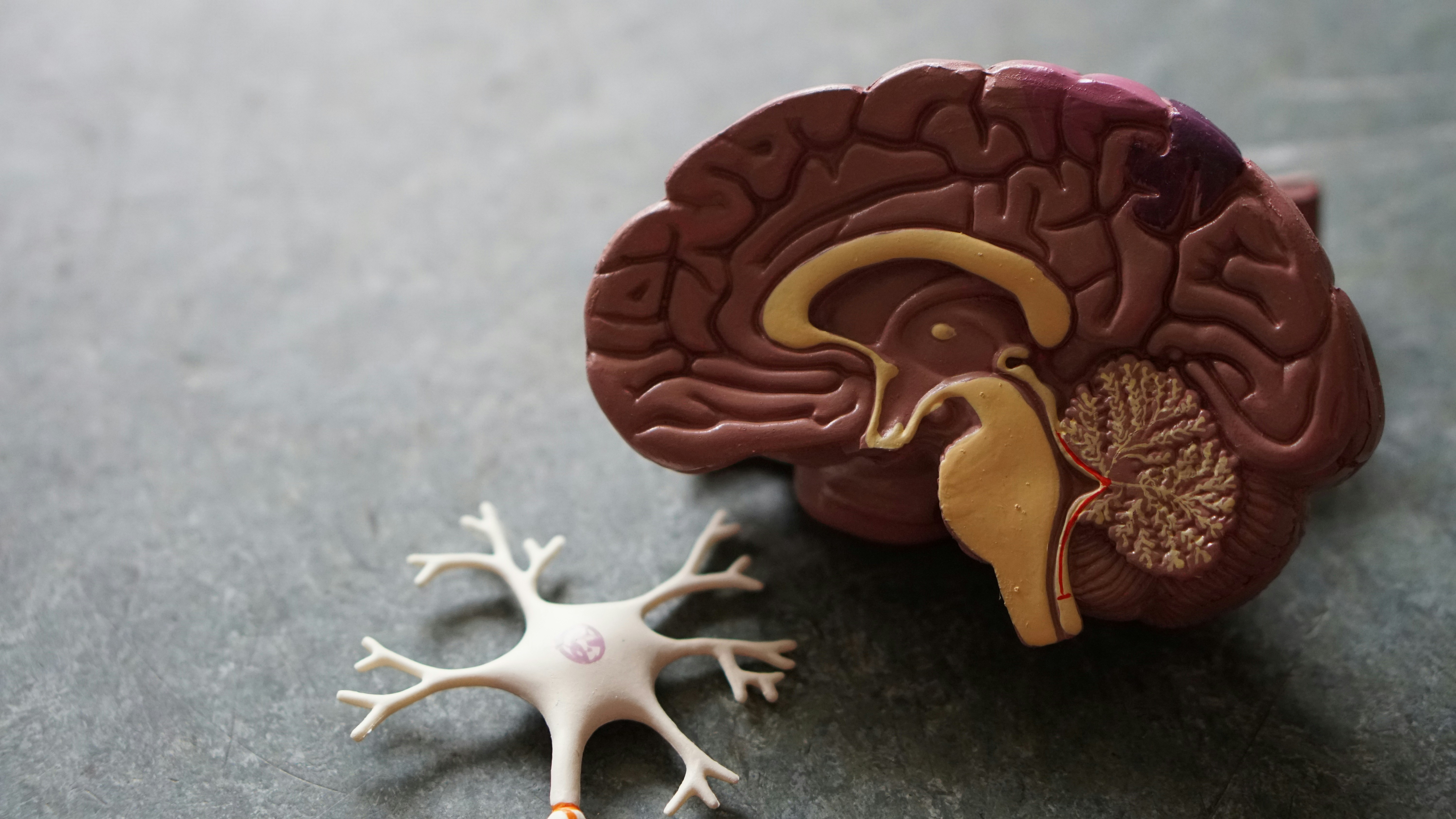
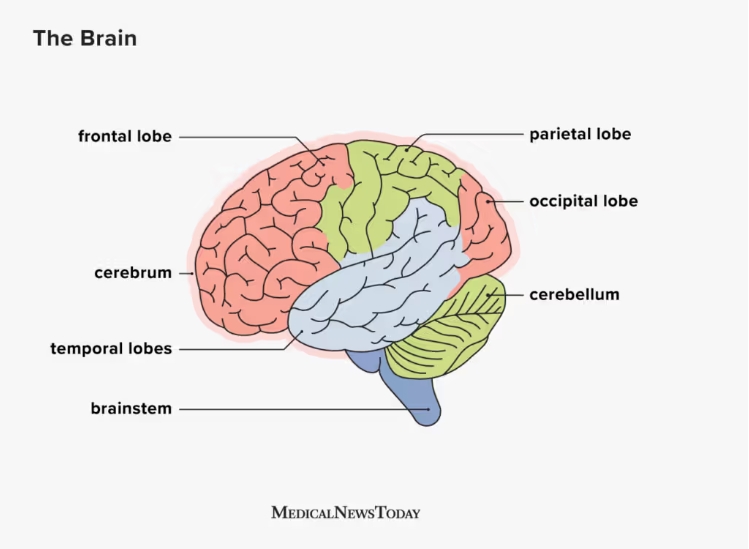
Stress is a part of life. Stress can be good, as it helps protect us from danger and motivates us. Stress is problematic when it is ongoing, as the constant state of alertness can impair cognitive function, making it hard to focus and control emotions. Since the brain’s primary source of energy is glucose (simple form of sugar), the stress response and sugar cravings create a cycle.
Stage 1: Feeling stressed Dwyane, a shift supervisor at Magna, just arrived at work and learned a customer moved up a shipment deadline.
Stage 2: Sugar craving Dwyane enters fight or flight mode, and the brain releases cortisol (stress hormone). Dwayne's brain is on high alert in response to stress and wants more energy, causing Dwayne to crave sugar.
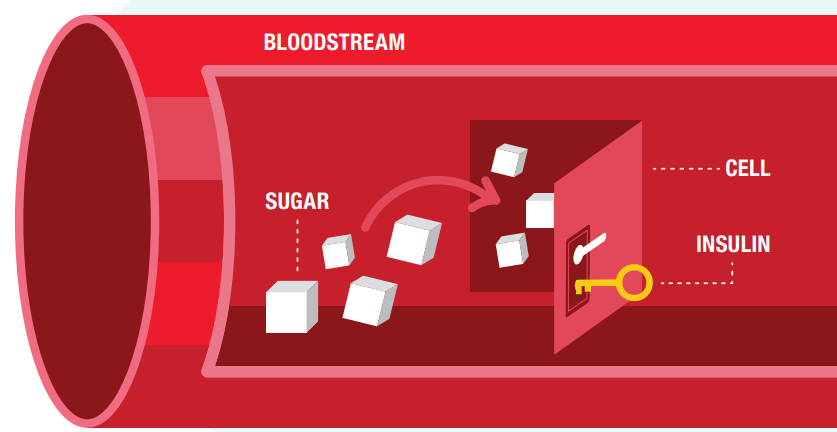
Stage 3: Blood sugar spike Dwayne eats a chocolate bar from the vending machine. The sugar in the chocolate causes his brain to release dopamine (happy hormone) which gives him temporary relief from stress. Dwayne's body processes the simple sugars in the chocolate bar quickly, which spikes his blood sugar levels, and helps him feel energized temporarily.
Stage 4: Blood sugar crash Shortly after eating the chocolate bar, Dwayne experiences a blood sugar crash. This is because the blood sugar spike from the chocolate bar results in a rapid blood sugar drop. This drop leaves Dwayne feeling stressed, tired, and craving more sweets. Dwayne is now in the repetitive cycle of stress → sugar craving → sugar intake → crash → more stress → more cravings.
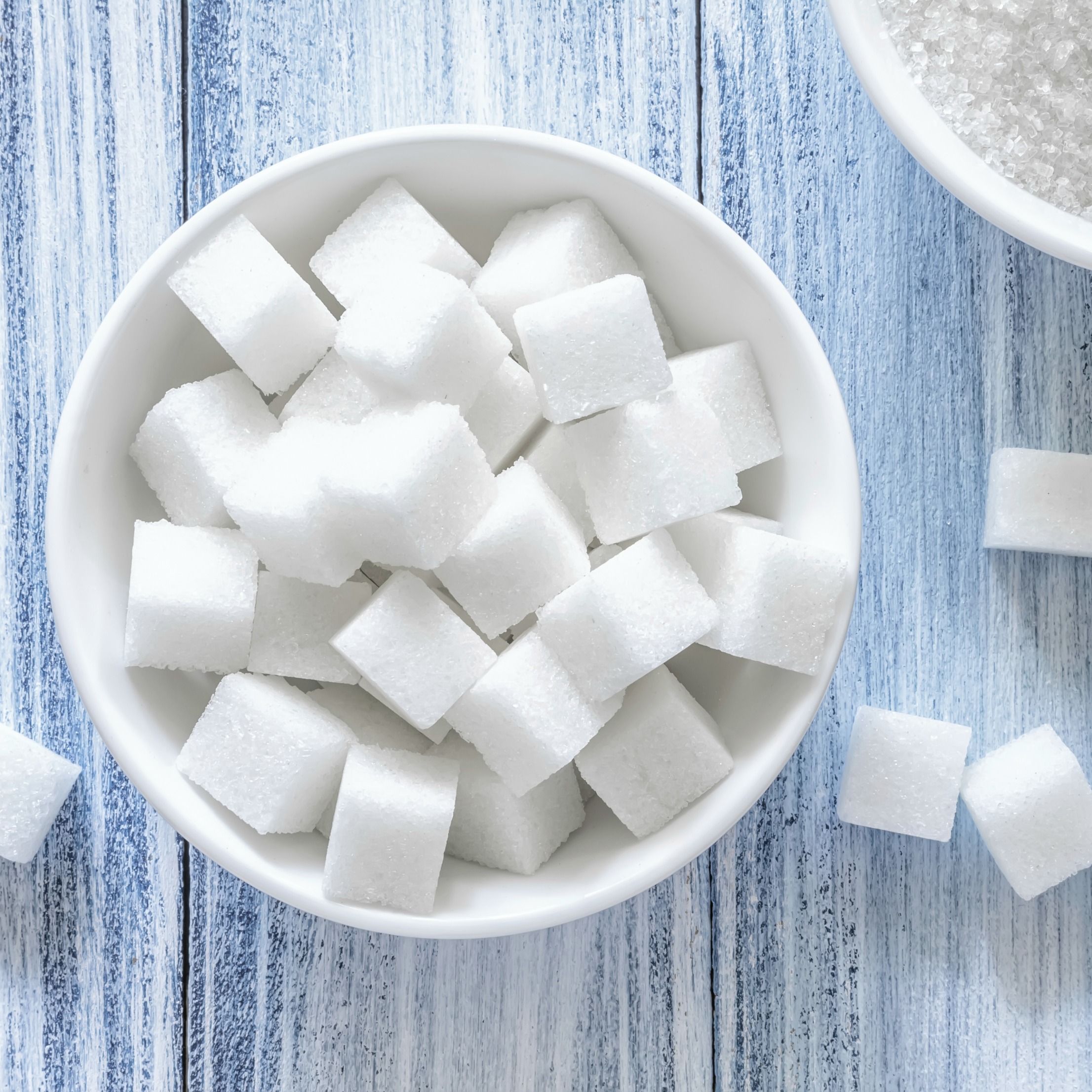
The problem is that the brain links sugar to feeling good. This results in the brain craving more sugar to recreate that rewarding feeling. It is recommended that adults do not consume more than 25g of sugar a day. So, what can you do when your brain craves sugar?
- Listen to your body. Ask yourself why you are reaching for sugar. Are you feeling stressed or bored?
- Drink a big glass of water. We often confuse hunger with feeling thirsty.
- Practice mindfulness (deep breathing, stretches, meditation) to stop focusing on sugar cravings.
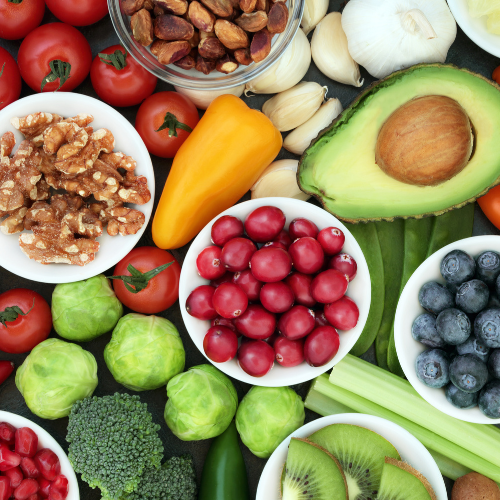
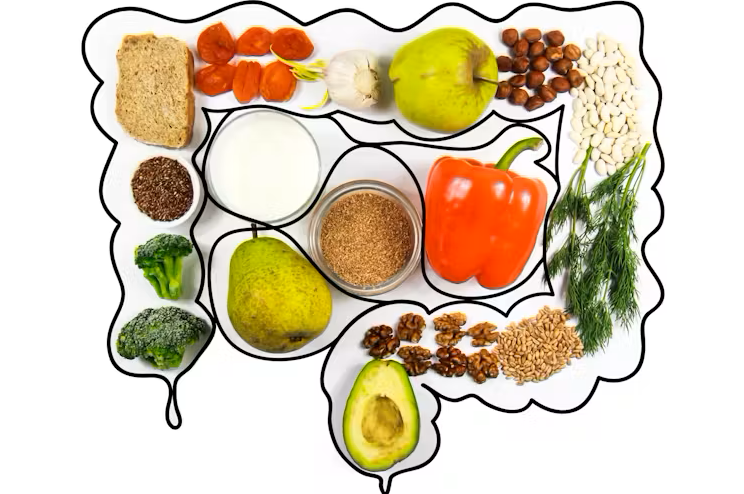
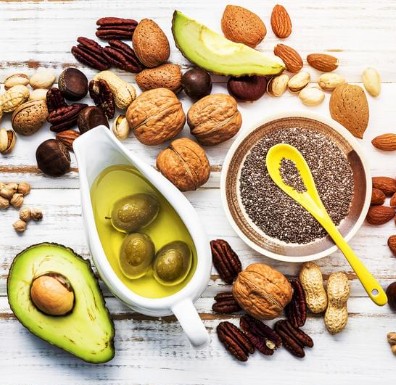
- Pair a sweet snack with fibre (i.e., peanut butter with apples or dark chocolate with almonds).
- Avoid artificial sweeteners. While they have less calories, they can still cause sugar cravings.
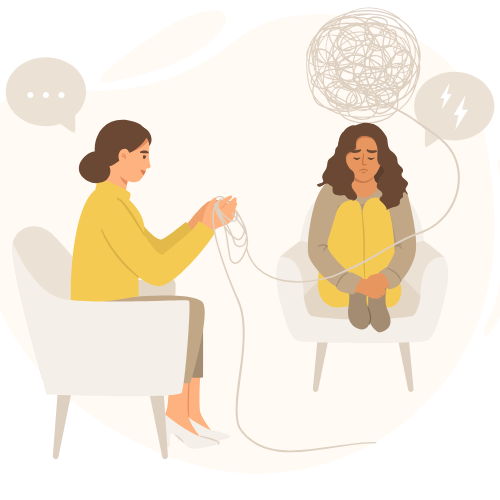
- Talk to a trusted person or professional about managing stress without reaching for sweets. Try Magna’s Employee Family Assistance Program (EFAP– code: magna) for free counselling.
One of the best ways to reduce stress and sugar cravings is to exercise. Exercise releases beta-endorphins which reduce stress and increase feelings of happiness. Exercise also reduces blood sugar because your muscles use glucose (sugar) in your blood stream as energy. Lastly, exercise can help you clear your mind and give you something to focus on rather than focusing on your stress or eating sweets from boredom.
Written by Erika Dunn, Health Promotion Coordinator