
How to Choose a Cooking Oil
 Download PDF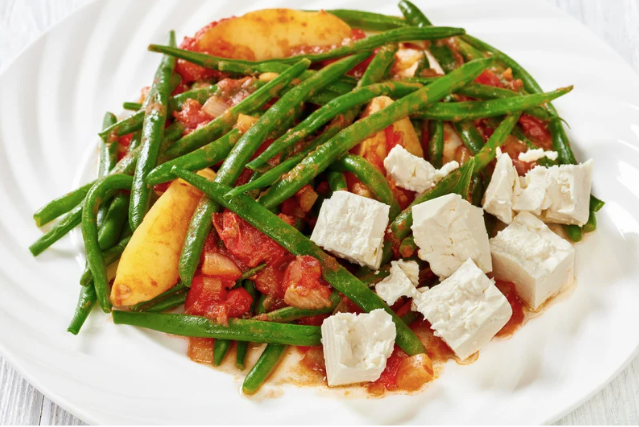
Choosing an oil is more than just a cooking decision. An oil can strengthen or harm your heart and blood vessels.
Oils are a form of fat. While fat is an important part of a healthy diet, not all fats affect the body the same way. Saturated and trans fats can raise LDL (bad) cholesterol. High levels of LDL cholesterol can increase blood pressure and raise the risk of heart disease. Unsaturated fats, on the other hand, help lower LDL cholesterol and raise HDL (good) cholesterol.
When selecting an oil, opt for one that is low in saturated fat and high in unsaturated fat.
Oils high in saturated fats include:
- Butter
- Lard
- Ghee
- Palm oil
- Coconut oil
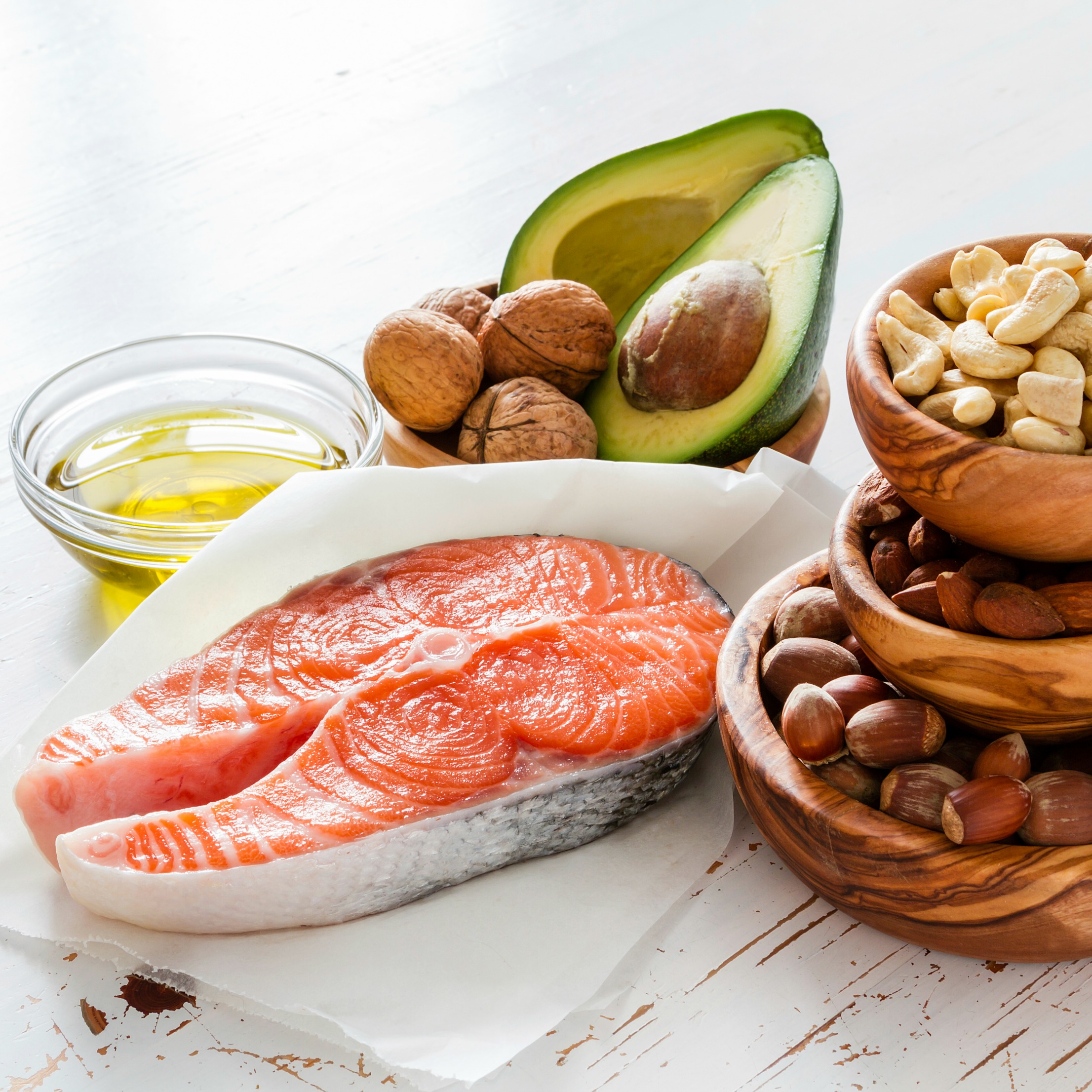
Oils high in unsaturated fats include:
- Olive oil
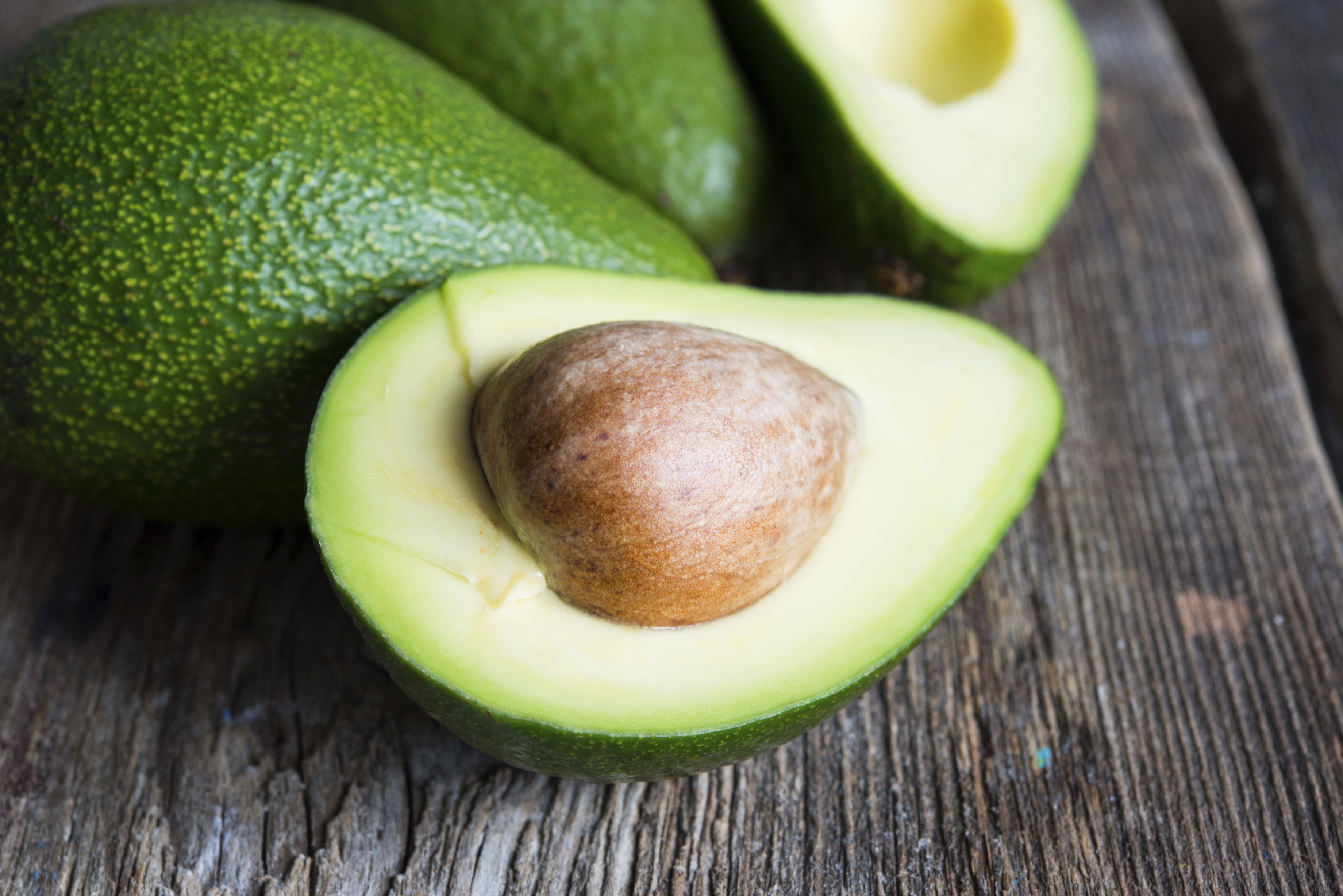
- Avocado oil
- Canola oil
- Soybean oil
- Sunflower oil
- Vegetable oil
In addition, not all oils can handle the same amount of heat. The temperature at which an oil begins to break down is called its smoke point. Heating it past this point breaks the oil into harmful particles. When consumed, these particles can harm blood vessels and raise the risk of heart disease. Always choose an oil that is suitable for the cooking temperature you are using.
- If you are cooking past 500 °F use avocado oil.
- If you are cooking between 400-450 °F use canola or sunflower oil.
- If you are cooking between 350-400 °F use olive or vegetable oil.
- If you are cooking between 300-350 °F use sesame or soybean oil.
A note on olive oil:
Olive oil is full of unsaturated fats that keep arteries strong and antioxidants that reduce inflammation. Research has shown that olive oil supports cardiovascular health and is linked to lowering the risk of heart disease. Include olive oil in your daily meals to support heart health!
Fasolakia – Greek Green Beans
Serving Size: 4
Ingredients:
- 3/4 cup olive oil
- 2 onions, chopped
- 1 clove garlic
- 2 pounds green beans, fresh or frozen
- 2 potatoes, diced
- 6 tomatoes, chopped
- 1/2 cup parsley, chopped
- 1 teaspoon sugar
- 1 teaspoon salt
- fresh pepper
Instructions:
- In a pot, heat olive oil at medium to low heat. Sauté the onions and garlic until soft.
- Add potatoes and sauté for 2-3 minutes.
- Add beans and mix until they are all covered with olive oil.
- Add the tomatoes, parsley, sugar, salt and pepper and mix.
- Add hot water just enough to half-cover the beans.
- Simmer with the lid on for about 40 minutes at medium to low heat (do not boil).
- The beans are ready once there is no water left and the beans are soft.
Notes:
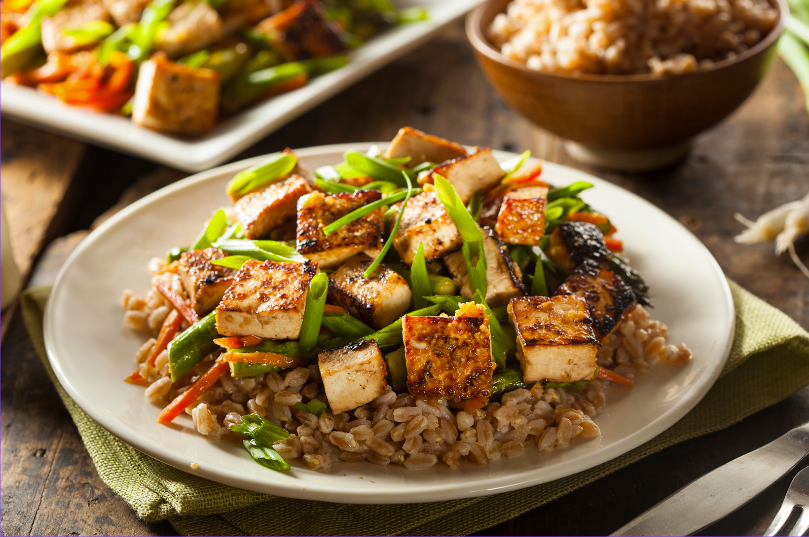
- For extra protein, serve with chicken, fish, or tofu on the side.
- Serve with feta cheese and bread.
Nutrition facts per 1 serving:
- Calories: 273cal
- Carbohydrates: 11g
- Fat: 9g
- Protein: 4g
- Sugar: 2g
- Sodium: 600mg
Written by: Elena Davakis, Health Promotion Coordinator
Adapted from: Olive Tomato