
All About Cholesterol
 Download PDF
High cholesterol is a major risk factor for heart disease and stroke. By lowering your cholesterol, you can dramatically reduce your risk of heart disease and stroke.

What is Cholesterol?
Cholesterol is a plaque like substance that is found naturally in your blood. There are two main types of cholesterol:
• Low-density lipoprotein (LDL) cholesterol often called the bad cholesterol because high levels in the blood leads to the buildup of plaque on the artery walls.
• High-density lipoprotein (HDL) cholesterol is called the good cholesterol because it helps carry LDL-cholesterol away from the artery walls.
• Triglycerides are not a type of cholesterol. However, they are a type of fat that is found in the blood. High triglycerides are associated with excess weight, and unhealthy lifestyle habits. Your triglyceride level is usually measured at the same time as your blood cholesterol.
How does cholesterol affect the heart?
High cholesterol is a major risk factor for the development of heart disease and stroke. High cholesterol can lead to a buildup of plaque in the artery walls causing your arteries to become narrow. This a condition called atherosclerosis. Atherosclerosis makes it difficult for blood to flow through the body and to the heart and increases your risk for heart disease.
How to Maintain a healthy Cholesterol level:
1. Get Tested - Knowing your numbers can help you to gain control and maintain a healthy cholesterol level.
How to know if you are due for a test:
- Are you a male over 45 yrs. old?
- Are you female over 55 yrs. old or post-menopausal?
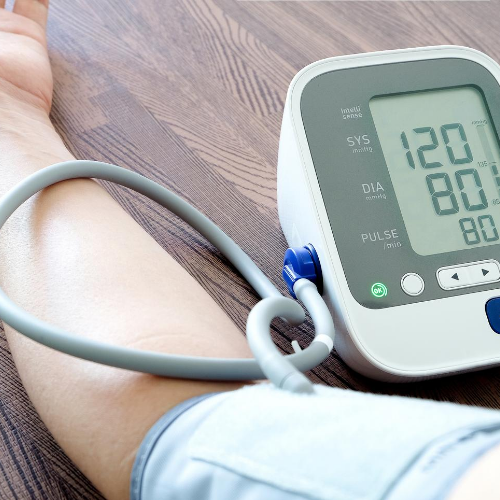
- Have you been diagnosed with diabetes or high blood pressure?
- Do you have a family history of heart disease or stroke?
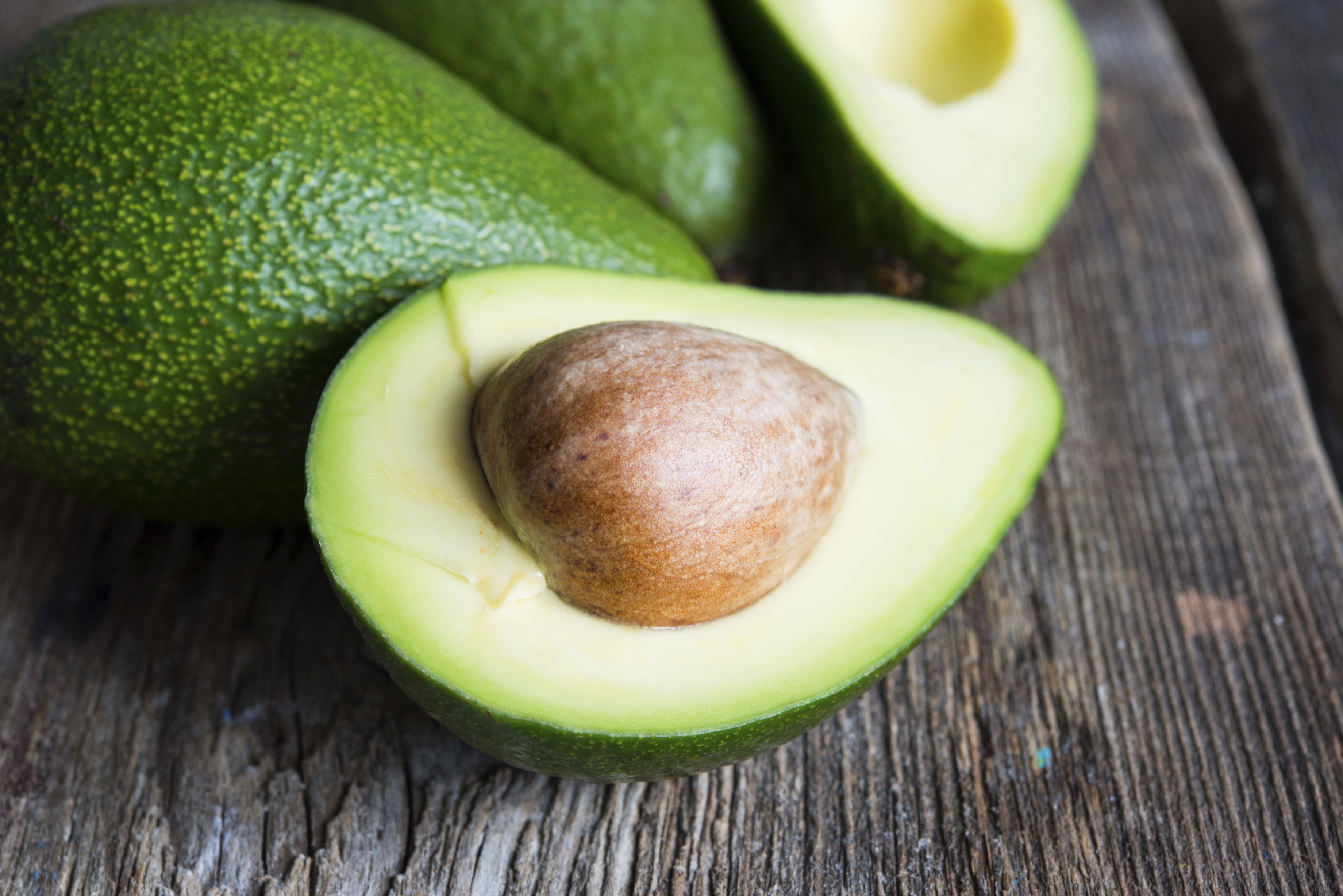
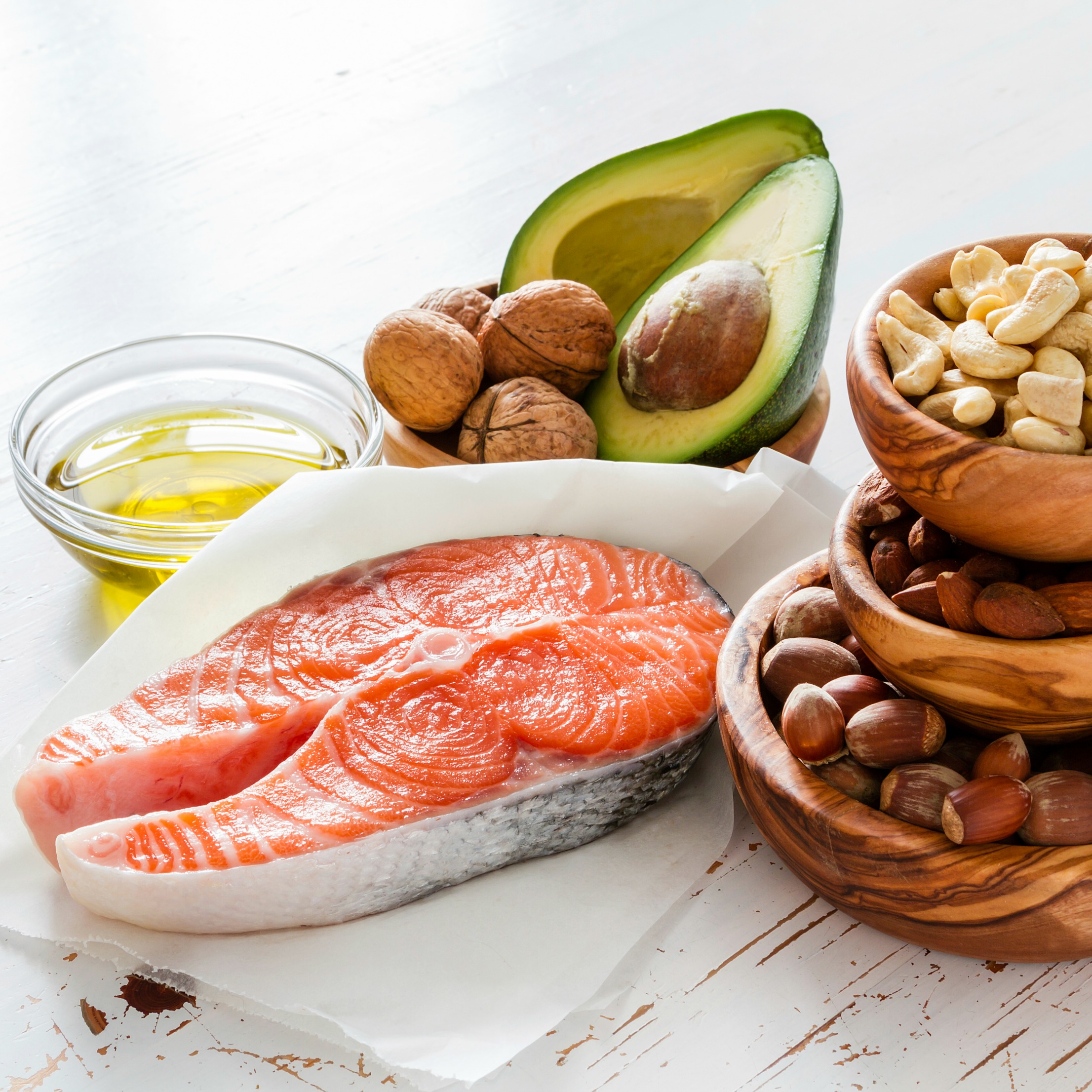
2. Choose healthy fats - Healthy fats help to lower cholesterol levels and are found mainly in vegetable oils, nuts and fish.
Limit your intake of saturated fat and trans fats. Saturated fat is found mainly in red meat and high-fat dairy products. Trans fats can be found mainly in fast foods. Both saturated and trans fats raise LDL (bad) cholesterol and lower HDL (good) cholesterol.
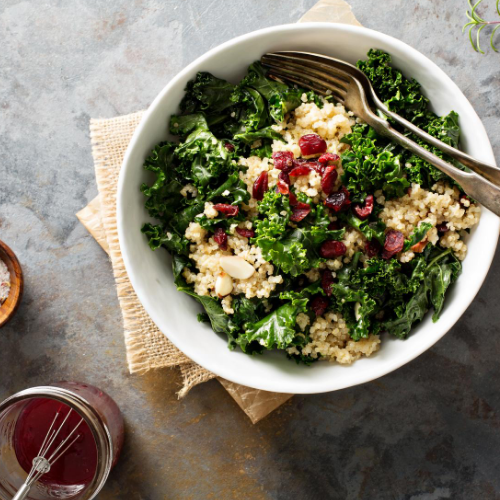
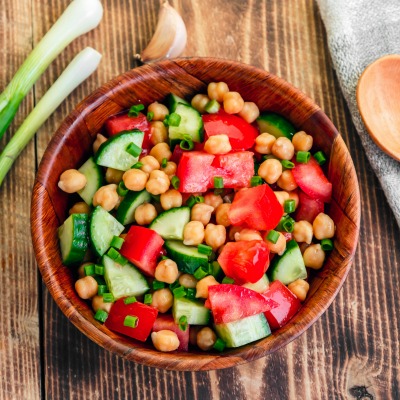
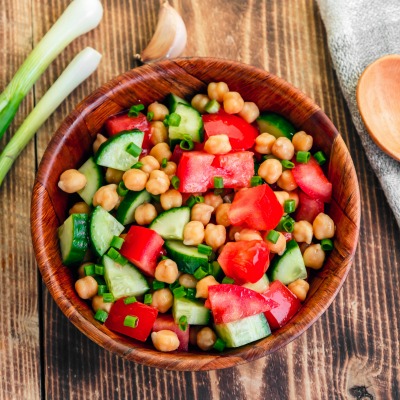
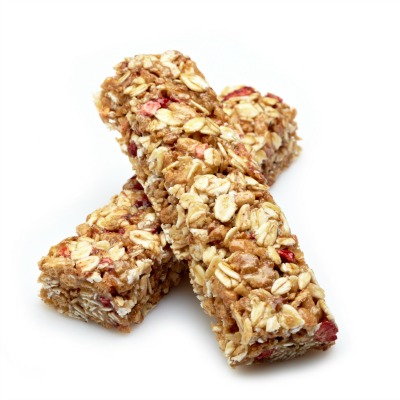
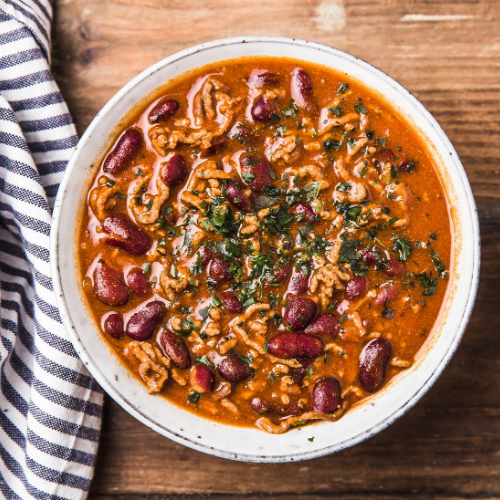
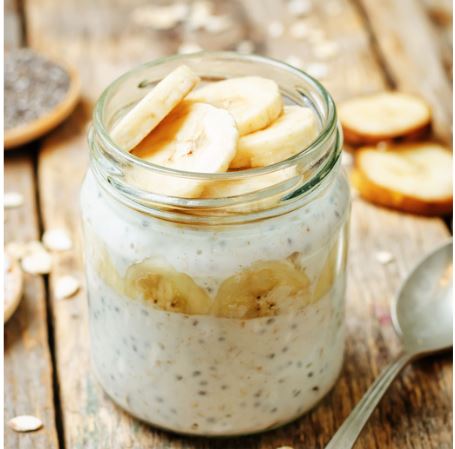
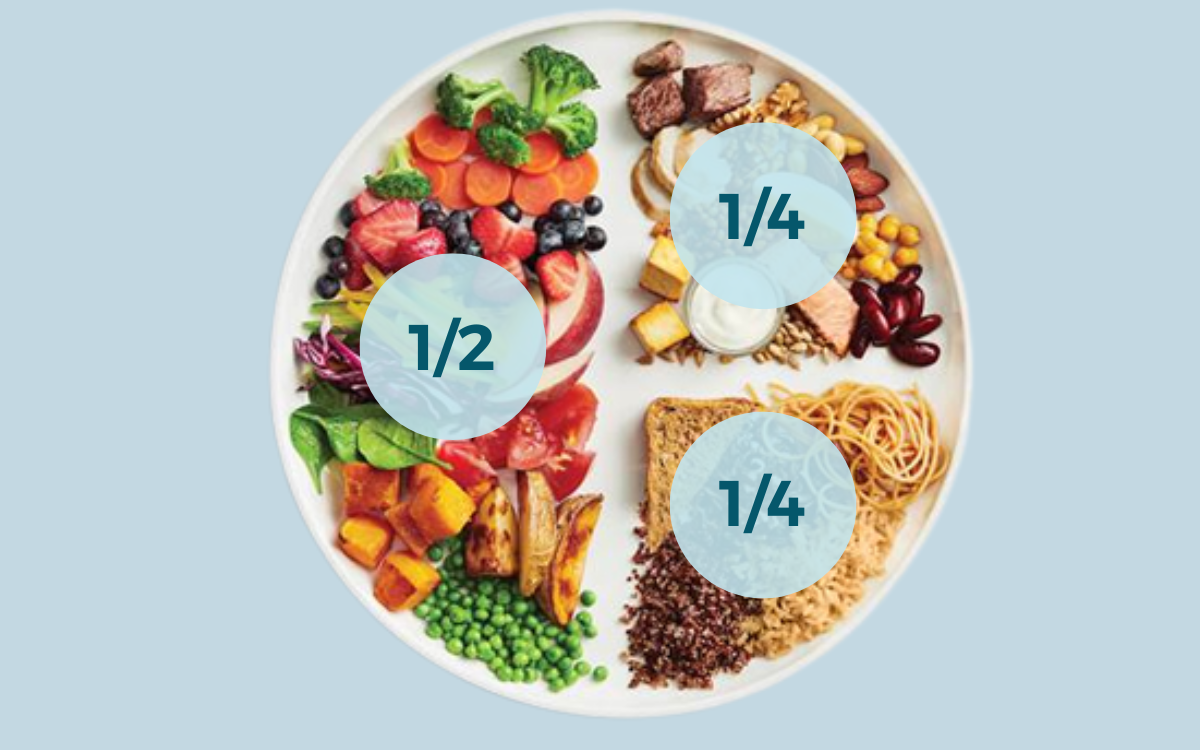
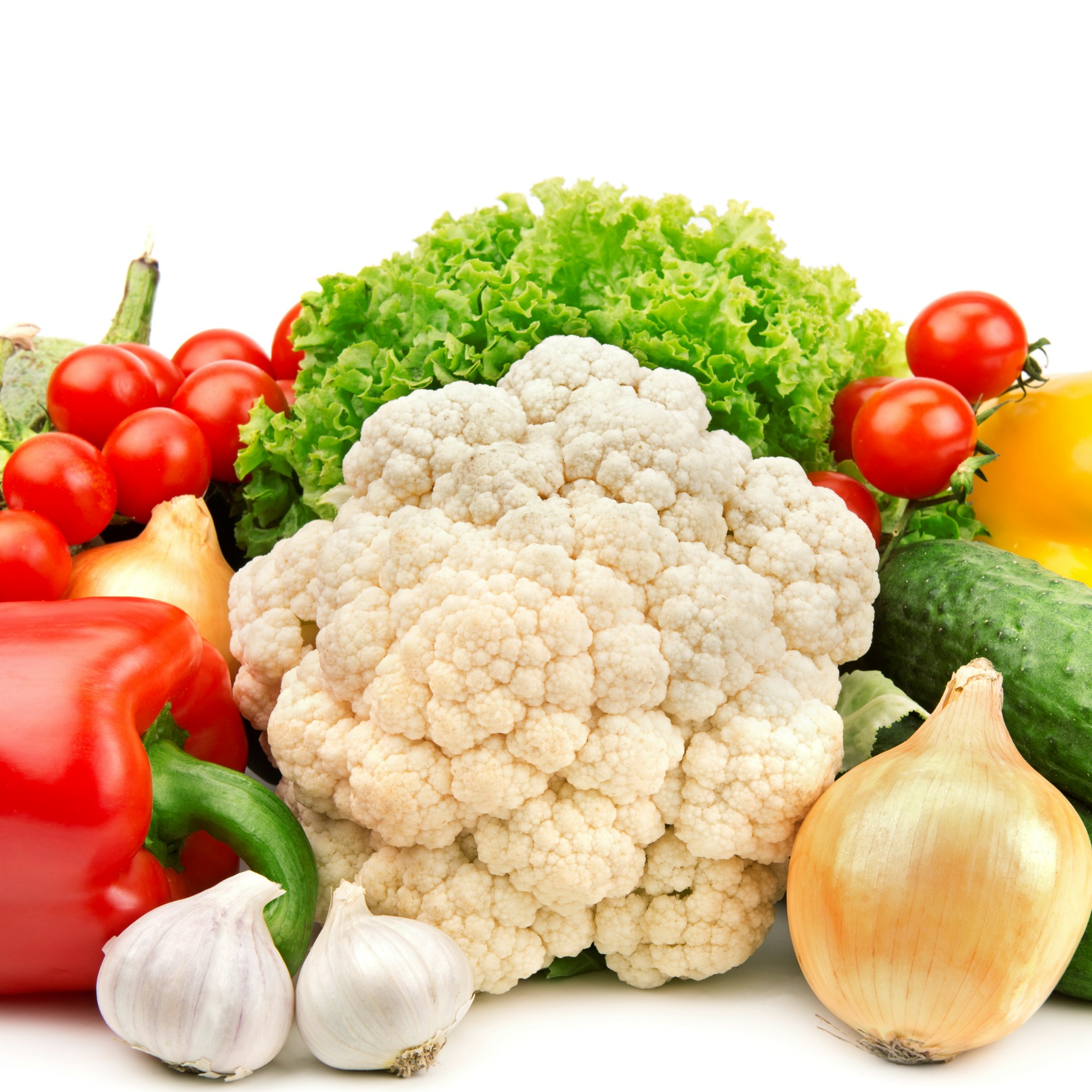
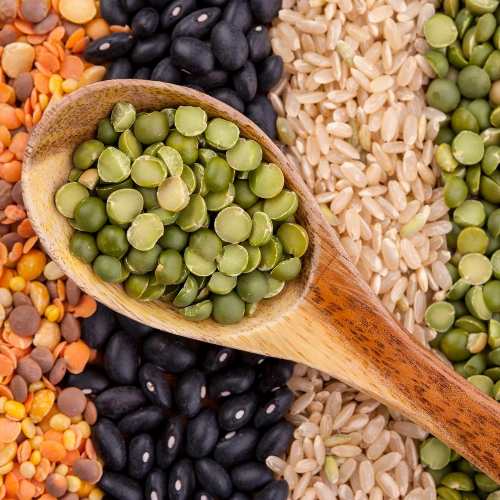
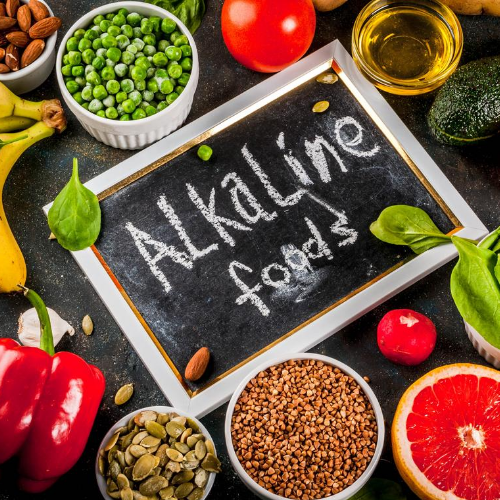
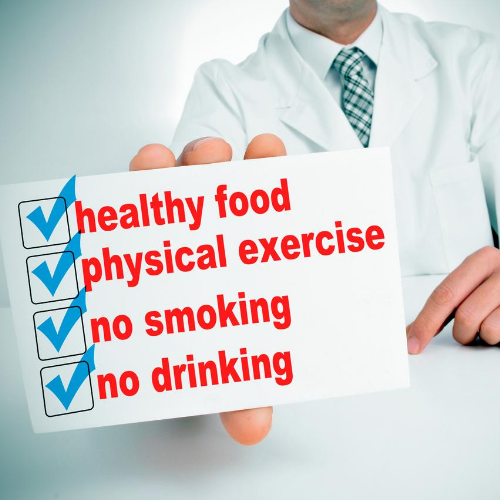
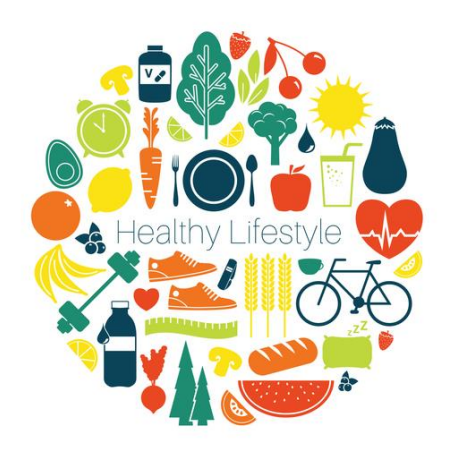
3. Follow a heart healthy diet - Be more mindful of what you are eating. Eat more vegetables, fruit, whole grains and healthy fats.
4. Be smoke-free - Choosing to quit smoking will improve your health and help to decrease LDL (bad) cholesterol levels.
5. Get physically active - It is recommended that adults should accumulate at least 150 minutes of moderate- to vigorous-intensity aerobic physical activity a week, in bouts of 10 minutes or more. Being active on a regular basis can improve HDL (good) cholesterol levels.
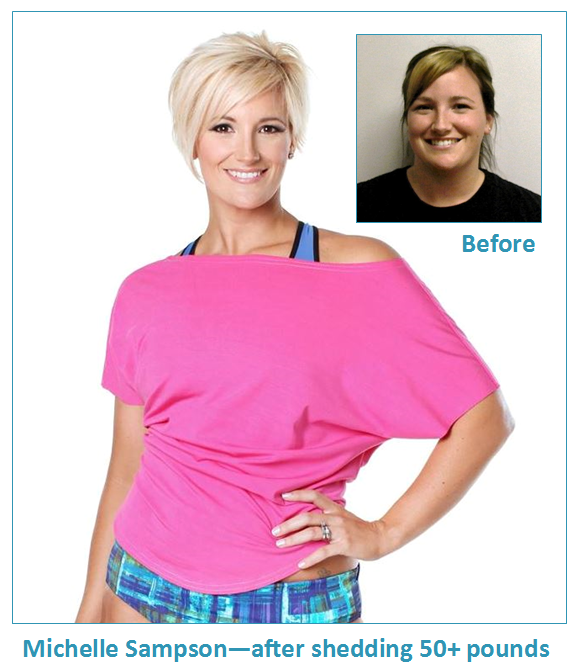
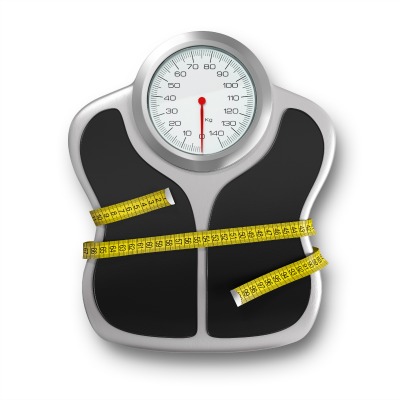
6. Maintain a healthy weight- Being overweight tends to lead to higher cholesterol level. Losing and maintain a healthy weight can decrease LDL (bad) cholesterol levels and improve overall health.