
Sleep & Heart Health
 Download PDF
Did You Know?
The average length of a good night’s sleep has shortened by 1.5 to 2 hours for the average person over the last 50 years’ time! However, “quality sleep” should not be underestimated as a luxury because it is extremely vital for optimal health - and a healthy heart.
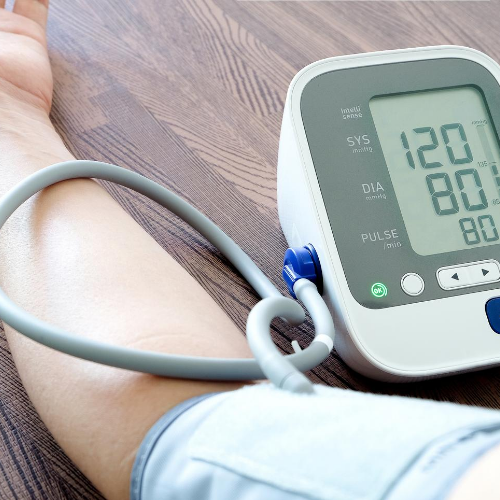
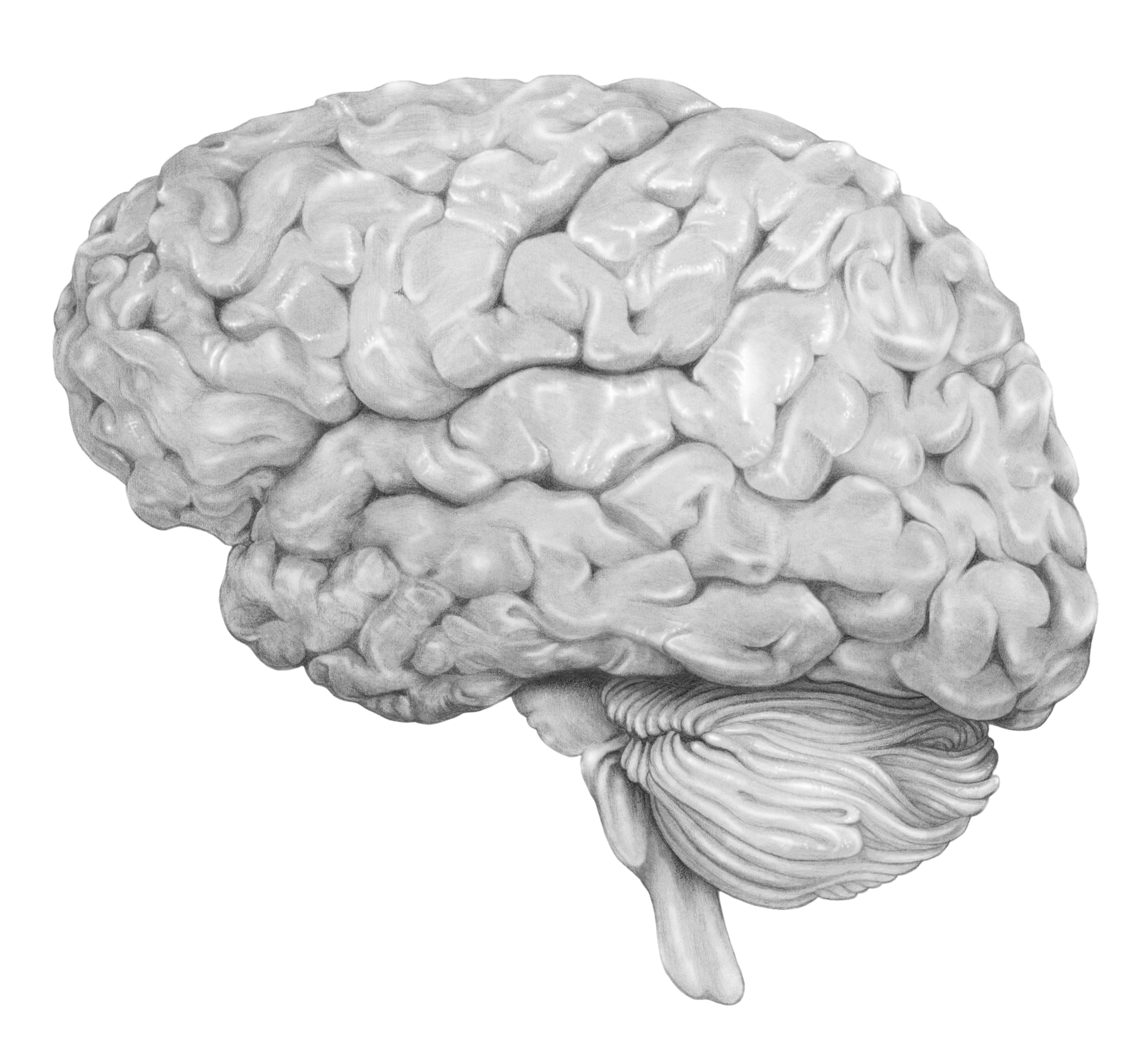
Good sleep (7-9 hours per night) helps regulate blood pressure and allows the heart to rest and “recharge” for the day. It also strengthens memory, assists with brain health, boosts the immune system, regulates blood pressure, and balances hormones throughout the body. Getting enough, quality sleep also helps with optimal function throughout the day!
Research shows that regular “short sleep”, defined as less than 6 hours per night is linked to a high blood pressure and a higher risk for heart disease and stroke. Short sleepers may have an up to 48% increased risk of developing or dying from heart disease and 15% increased risk of developing or dying from stroke over the course of 25 years.
The hearts of long sleepers are not spared either. People who “oversleep” and average 9 or more hours per night, also have an up to 38% increased risk of developing or dying from heart disease and a 65% increased risk for stroke incidences.
How Sleep Helps Your Heart
- Good sleep (7-9 hours) lowers heart rate and blood pressure at night, allowing the heart to “rest” while working less.
- Short sleepers show less “heart rate variability”, which means than instead of having regular, flowing changes – the heart rate stays consistently elevated more often throughout the day and at night.
- Chronic short sleep contributes to increased calcium deposits in the arteries (coronary artery calcification), which is a strong predictor of coronary artery disease.
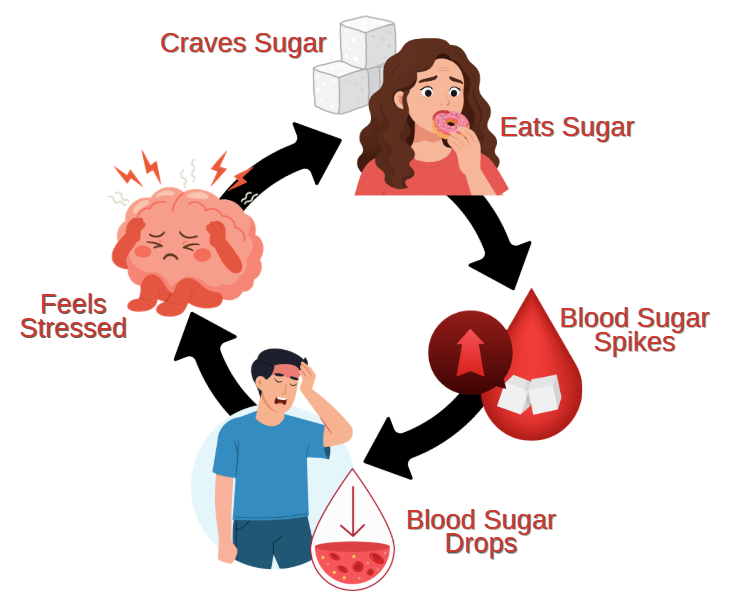
- A lack of sleep may affect the body’s ability to regulate blood sugar. Short sleepers can be less responsive to insulin, which can lead to an increase in blood sugar and a higher risk for type 2 diabetes and heart disease.
- Short sleep has also been linked to disruptions in the hormones that regulate appetite while also increasing stress and inflammation.
How To Improve Your Sleep
1. CREATE A ROUTINE:
Develop a calming bedtime routine. This may include reading, brushing your teeth, setting an alarm, journaling, using relaxing essential oils, doing light yoga, meditating, deep breathing, or doing activities that relax you.
2. MAINTAIN A ROUTINE:
Try to wake up and go to sleep at the same time each day, even weekends. Maintaining a routine helps train the mind and body to expect sleep.
3. STAY PHYSICALLY ACTIVE:
Helps to increase the length and quality of sleep. Ideally exercise when you wake up or at least 3 hours before going to bed. Aim for 150 minutes per week of vigorous physical activity.
4. FOCUS ON YOUR SLEEP ENVIRONMENT:
Reduce the temperature in your bedroom. Eliminate light (wear an eye mask, use blackout curtains) and noise (use a noise machine or ear plugs). Only use your bed for sleep - avoid watching TV, doing work or using your cell phone.
5. EAT HEALTHY FOODS:
Decreases the chance of stomach pains and indigestion. Boosts energy and alertness throughout your day.