
All About Blood Pressure
 Download PDF
Learn about what your blood pressure means and whether you are in a healthy blood pressure range.
What is “Blood Pressure”?
Blood pressure is a measure of the force (or pressure) of blood pushed against the walls of the blood vessels throughout the body known as “arteries”. The beating heart is a muscle that creates blood pressure by pushing blood with every contraction as it beats. A heathy, ‘normal’ blood pressure is a vital part of one’s health. This pressure is important because it allows for transport of oxygen, nutrients, antibodies, and hormones throughout the body and assists with removal of toxic waste such as carbon dioxide.
The blood pressure reading is based on two measures of pressure forces called systolic and diastolic pressure.
The systolic (top) number is the pressure in the arteries when the heart contracts to beat and pump blood.
The diastolic (bottom) number is the pressure in the arteries when the heart relaxes between contractions (beats).
Blood Pressure Categories
|
Category |
|
|
Low risk: 120/80 - 129/84 or less |
|
|
Medium risk: 130/85 - 139/89 |
|
|
High risk: 140/90 and above |
What is “low blood pressure”?
Blood pressure levels below 120/80 are generally considered normal unless accompanied by feeling of lightheadedness or dizziness.
What is “high blood pressure”?
High blood pressure is considered as the number one risk factor for stroke and a major risk factor for heart disease.
BLOOD PRESSURE GUIDELINES
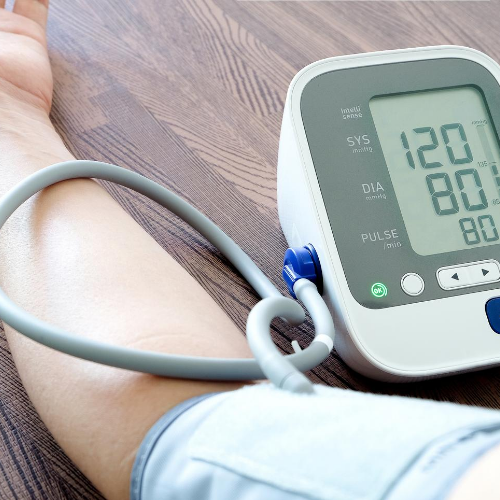
Automated home-monitors are a great way to confirm and track blood pressure measurements. Follow these guidelines to get the most accurate blood pressure reading:
1. Avoid caffeine, exercise, smoking and going to the bathroom for 30minutes before measuring. Make sure to remove bulky or tight clothing.
2. Sit in a chair and rest quietly for 5 minutes before and during the measurement with feet flat on floor and back resting against the back of the chair or a firm surface.
3. Wrap the cuff tightly around your bare upper arm. The bottom edge of the cuff should be 3cm above the bend of the elbow.
4. Record the blood pressure readings and check at least one or two more times to confirm the average. It is helpful to keep a tracked record of your blood pressure readings to notice any trends or changes.
What can I do to control my blood pressure?
High blood pressure can be caused by many factors. Some factors cannot be controlled, such as age, ethnicity and gender. However there are many other lifestyle factors that can be controlled to help reduce your risk for high blood pressure.
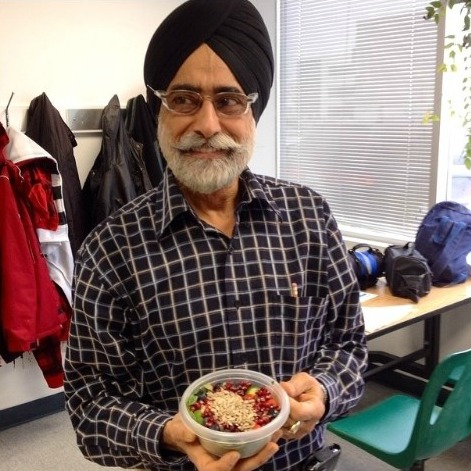
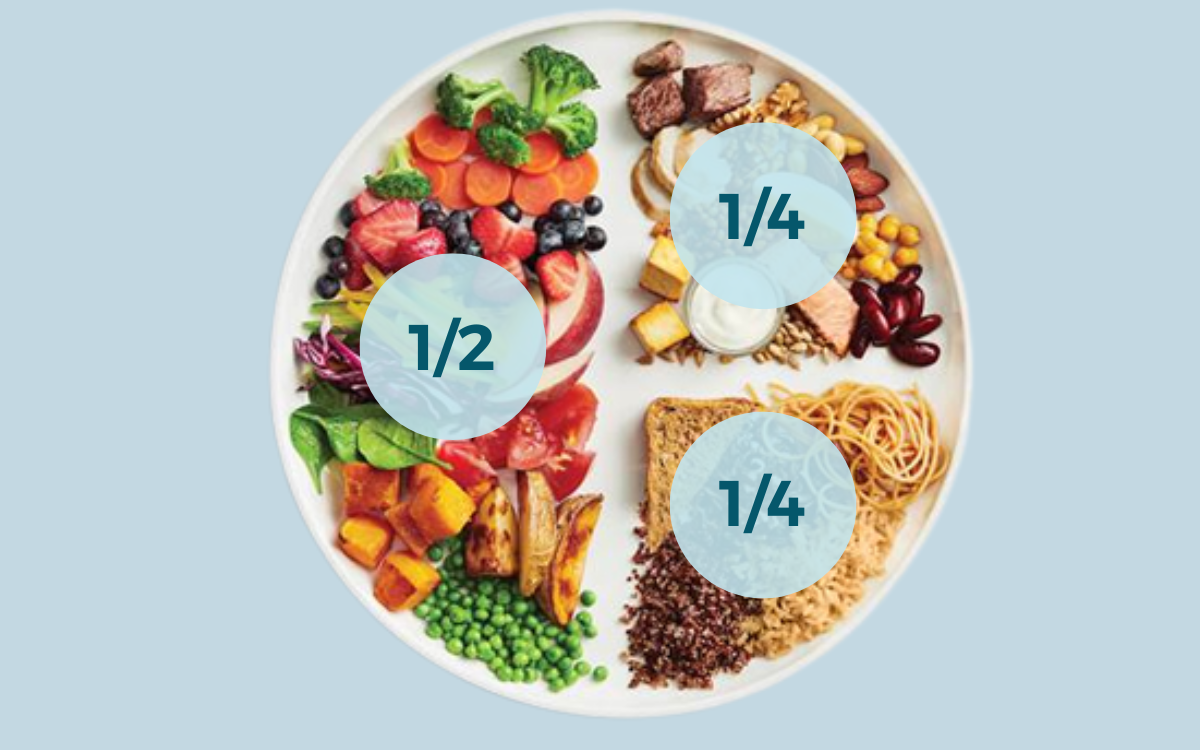
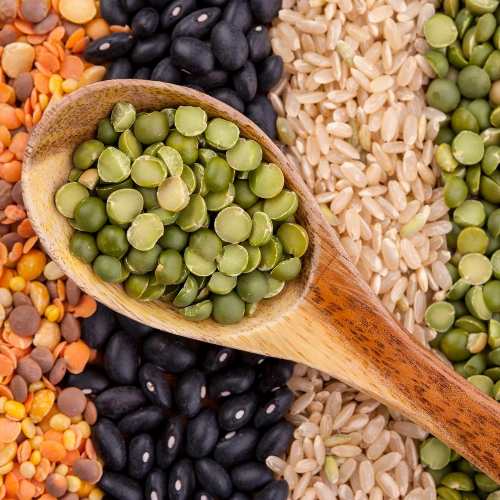
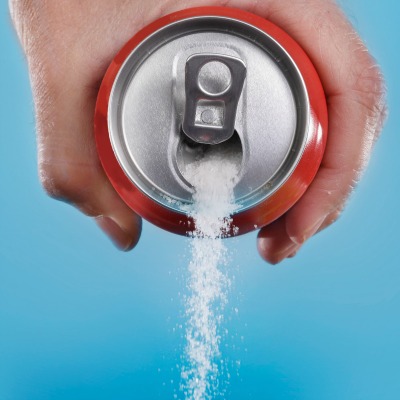
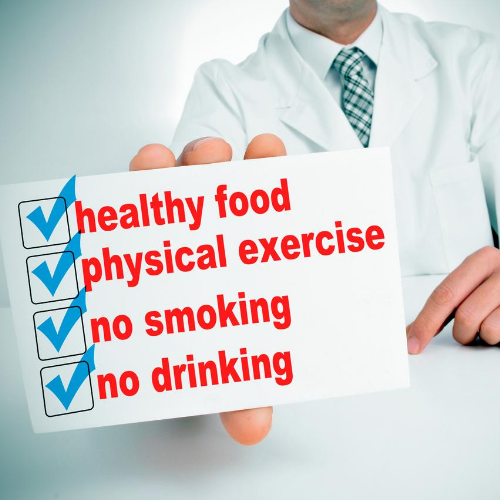
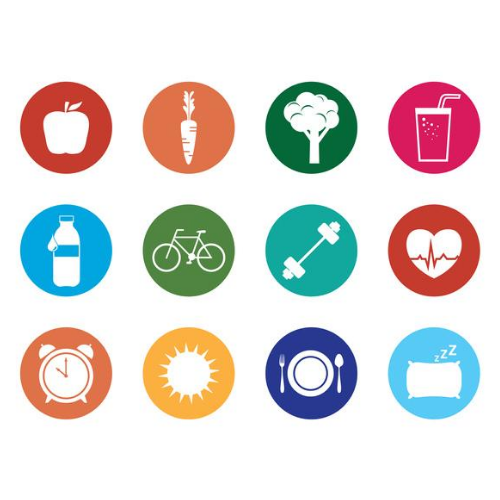
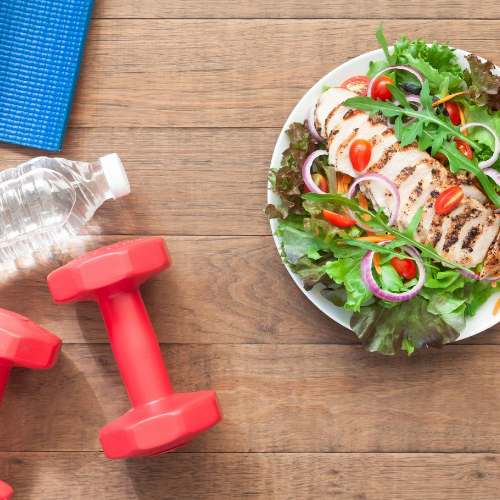
- Eat a healthy, balanced diet that is low in salt and saturated fats can help lower a high blood pressure.
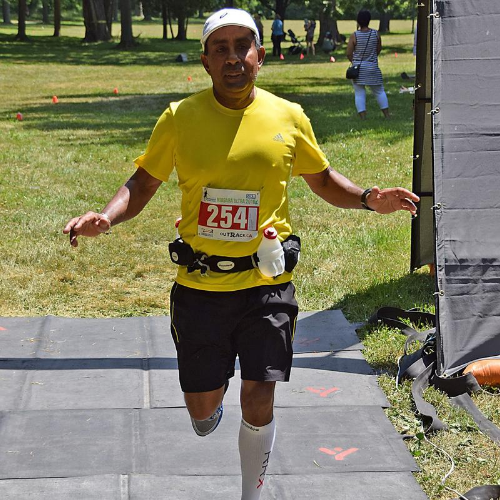
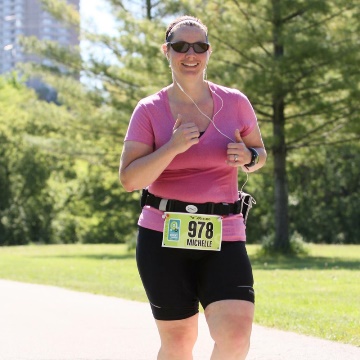
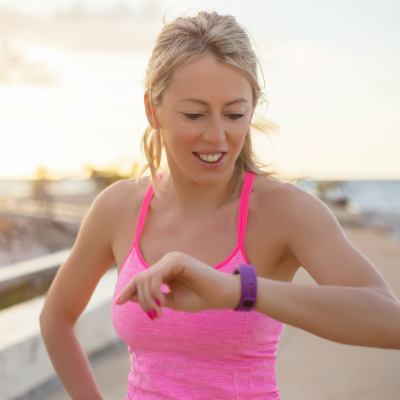
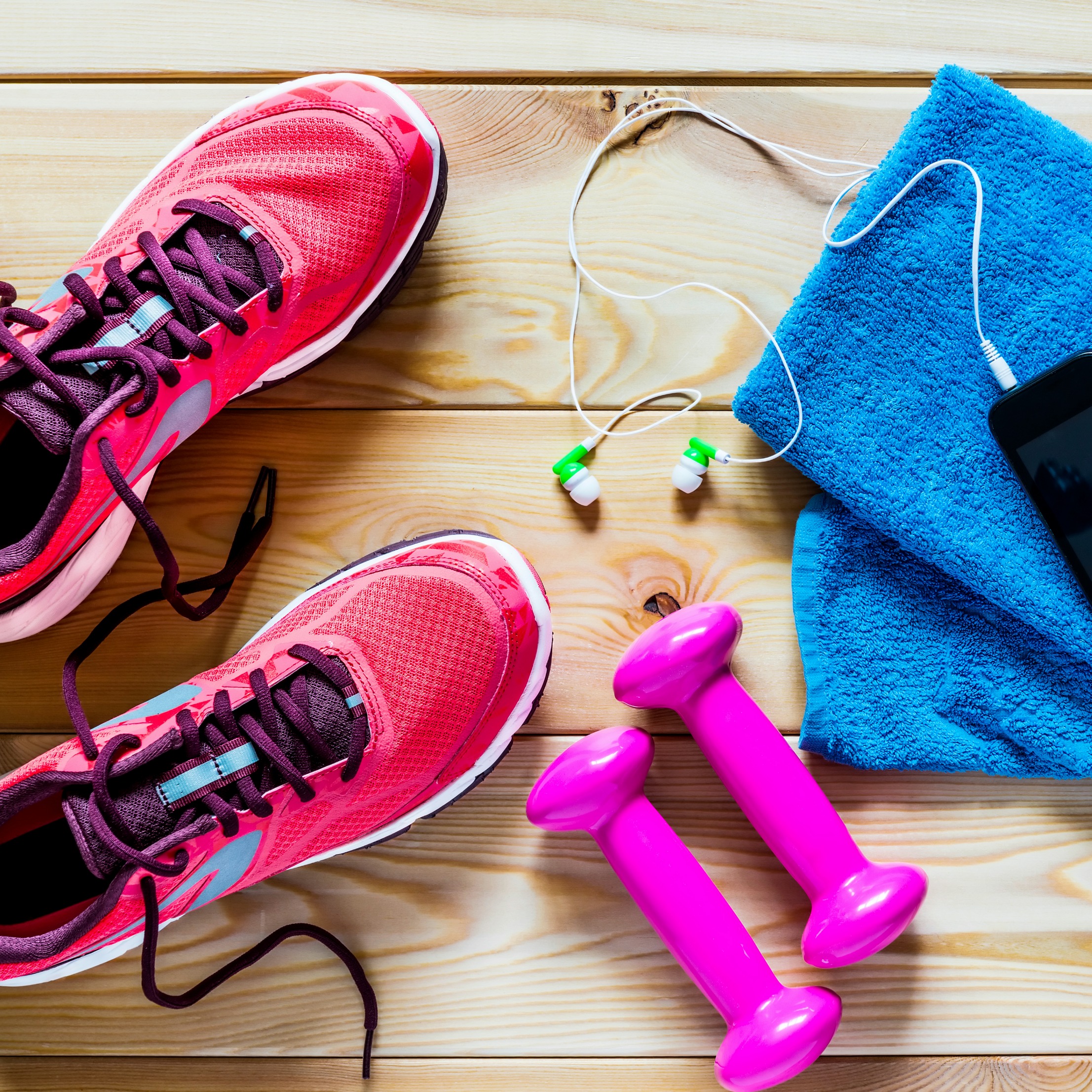
- Achieve 150 minutes per week of moderate- to vigorous- intensity aerobic physical activity, in bouts of 10 minutes or more.
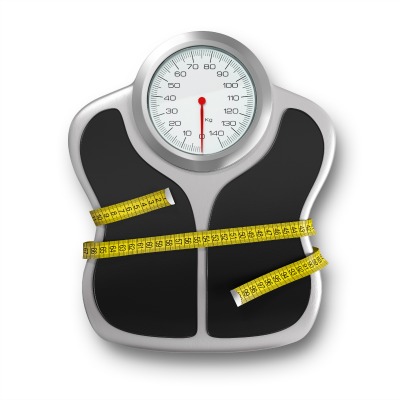
- Maintain a healthy body weight. Weight loss of 5% - 10% can significantly lower blood pressure to healthier levels.
- Avoid smoking. If you are smoking, talk to your doctor or healthcare provider about quitting.
- Drink less alcohol.
- Reduce your stress. Prolonged and mis-managed stress may increase blood pressure and needs to be managed in a healthy way
Visit Hypertension Canada at hypertension.ca for a comprehensive list of doctor recommended device to measure your blood pressure!