
The Gut – “Our Second Brain”
 Download PDF
The connection between our brain and gut.
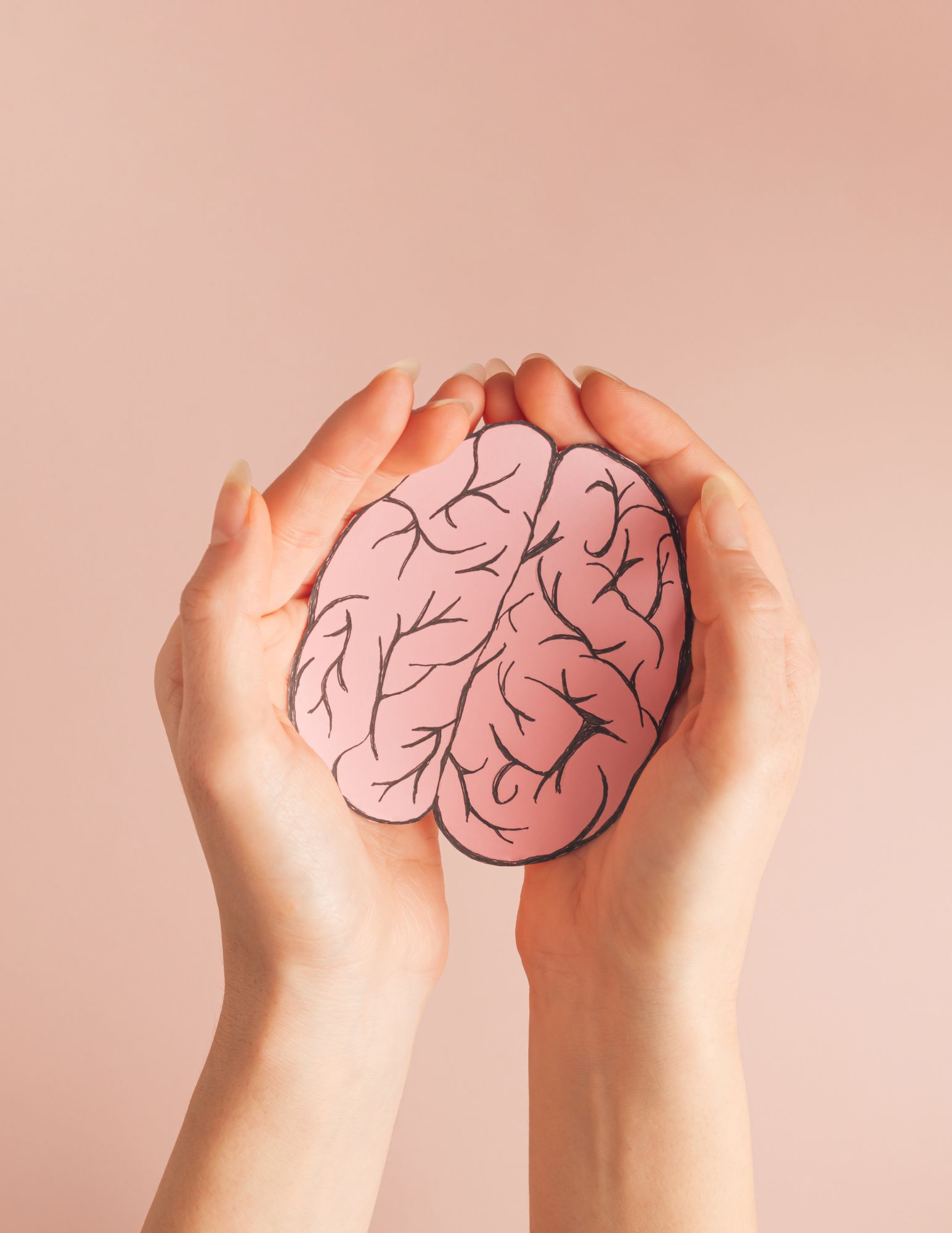
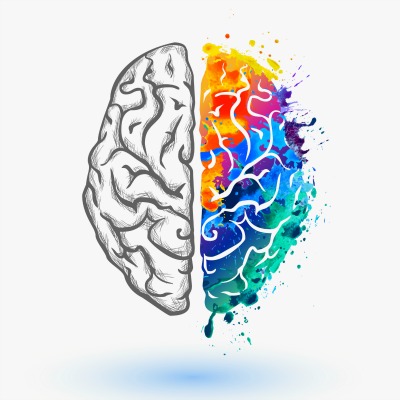
Have you ever used the expression, “butterflies in your stomach” or a “gut feeling”? Expressions like this illustrate the clear connection between our gut and our brain. Research has shown that this connection goes both ways - an upset stomach can send distressed signals to the brain, just as an upset mind can send distressed signals to the gut. Therefore, stomach or intestinal distress can be either the cause or the product of anxiety, depression, or stress.
These days, our guts are constantly under attack - from the poor food choices we are making, to the constant stress individuals are under, to the widespread use of antibiotics and pesticides. These factors may be contributing to the increased prevalence of both mood disorders and inflammatory diseases.
Gut > Brain Connection
The gut earned the title “second brain” because it is home to the ENS, Enteric Nervous System. The main role of the ENS is to regulate digestion by sending continuous signals up to the brain. If your gut is ‘out of whack’, your ENS may send ‘whacky’ signals to your brain that can affect your mood, appetite, sleep, and more.
The intestinal tract also produces 95% of our serotonin, which is known as the body’s happy chemical, given that it impacts our appetite, mood, emotions and sleep. If your gut is in an ‘unhappy’ situation, where the number of bad bacteria outnumber the good, your gut is less likely to produce enough serotonin, which can contribute to feelings of anxiety and depression.
Brain > Gut Connection
Alternatively, when your mind is feeling stressed or anxious, your body responds by releasing chemicals, adrenaline and cortisol, that put your body into crisis mode. When this happens, your blood flow diverts away from your digestive tract, and instead, travels to your arms and legs to support the fight or flight stress response. When you experience chronic, long lasting stress, your blood flow is constantly diverted away from the digestive system, which can cause various negative side effects, including the breakdown of your gut wall, suppression of your immune system, and can result in many digestive disorders.
How to Keep a Healthy Gut
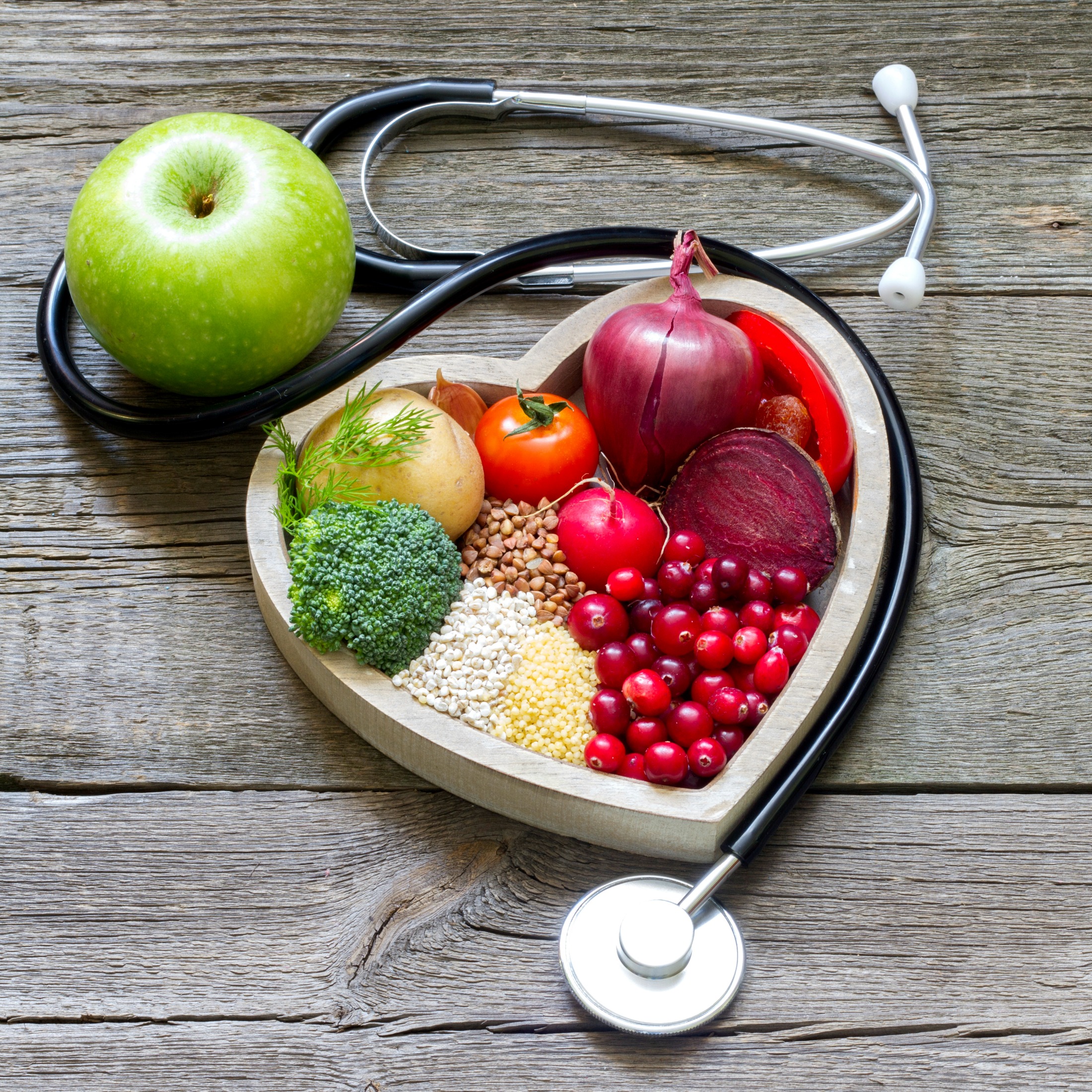
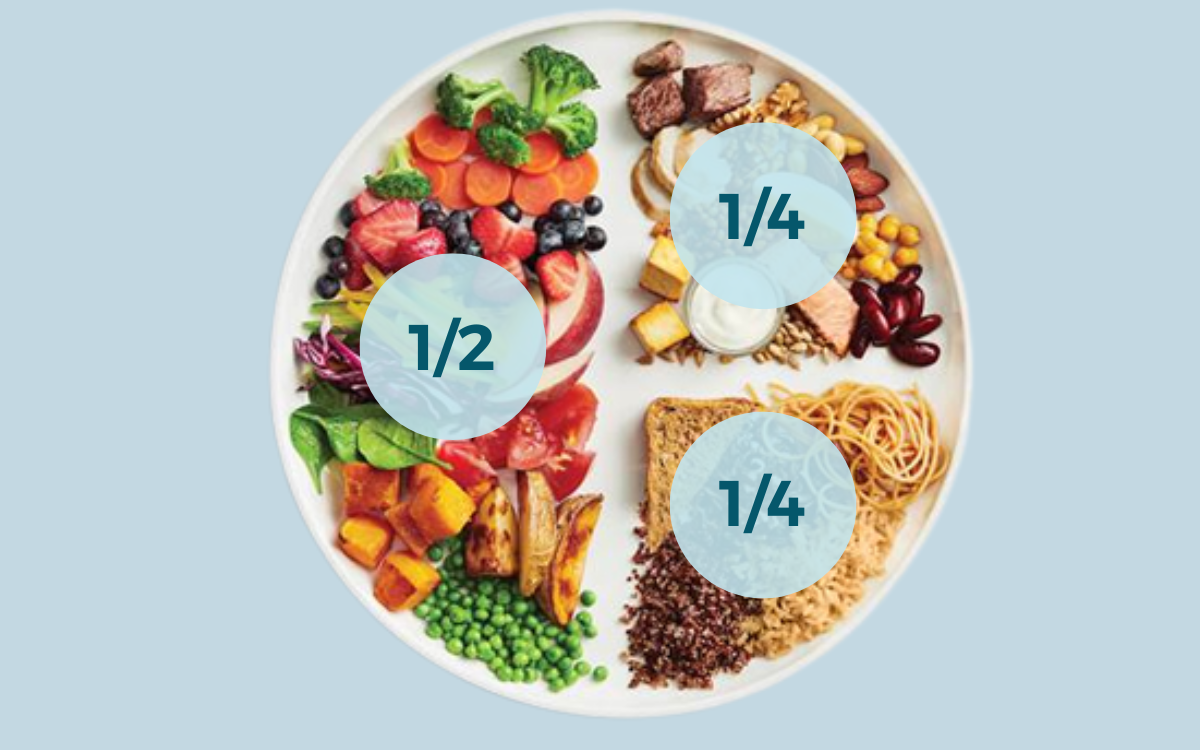
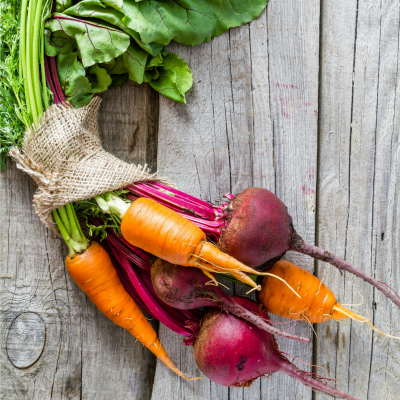
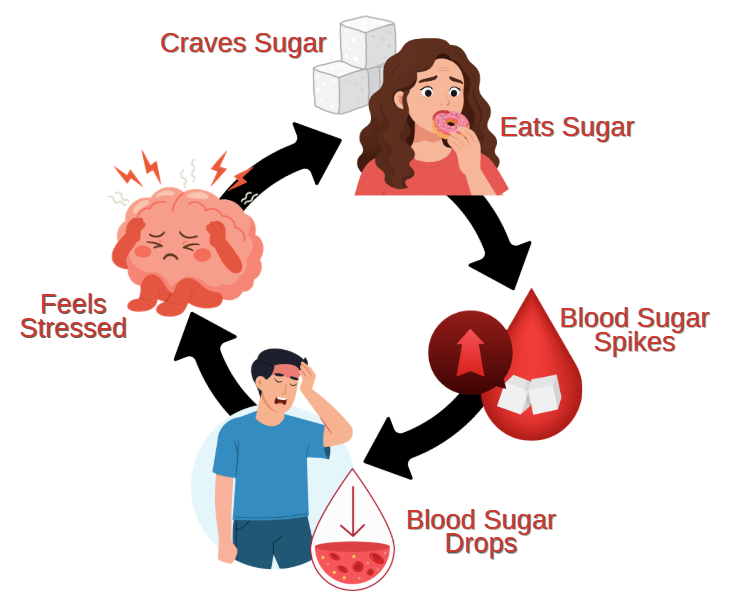
In order to keep a healthy brain-gut connection, we need to maintain a healthy balance of good and bad bacteria within our gut. The saying, “you are what you eat” could not be more accurate in this case, since the food we eat can either feed the ‘good guys’ or the ‘bad guys’ in our gut. When we eat a diet consisting of whole foods, including fibre, protein, and beneficial fats, we feed the good bacteria which in turn promotes a positive mood and an anti-inflammatory state of health. Alternatively, when we choose an unhealthy diet consisting of refined sugar, trans fats, and processed food, we trigger a state of inflammation in both our body and mind.
| Avoid | Try |
|---|---|
|
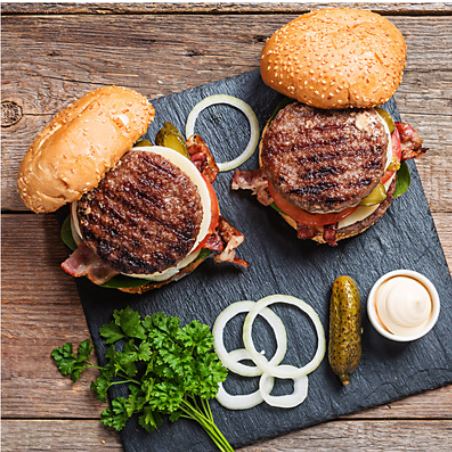
• Highly processed foods (deli meats, frozen meats, fast food, etc.) • Foods with sugar as one of the first three ingredients • Foods that contain high-fructose corn syrup • Foods with more than 5 or 6 ingredients on the list • Excess use of antibiotics |
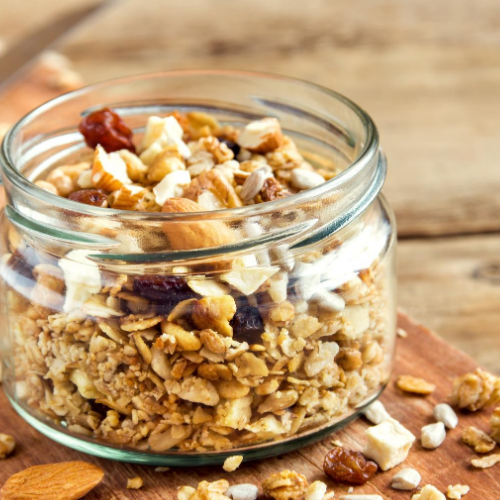
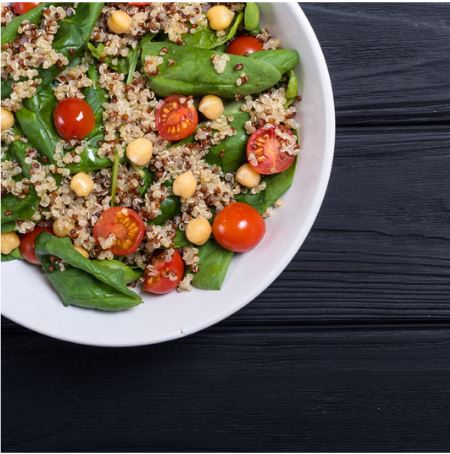
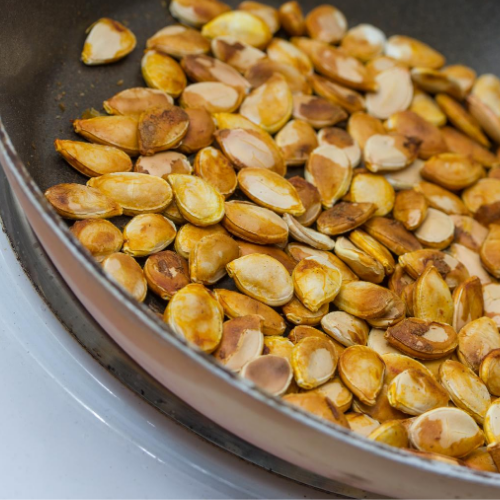
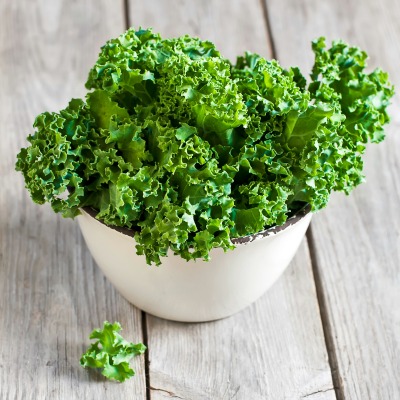
• Eating more anti-inflammatory foods: see our Top 10 • Adding more fibre to your meals (ground flax seed, nuts, seeds, beans, etc.) • Including fermented foods in your diet (yogurt, pickles, sauerkraut, etc.) • Taking a probiotic supplement |