
Anti-depressants: Do They Really Work?
 Download PDF
Discussion on the most common mental health condition in North America
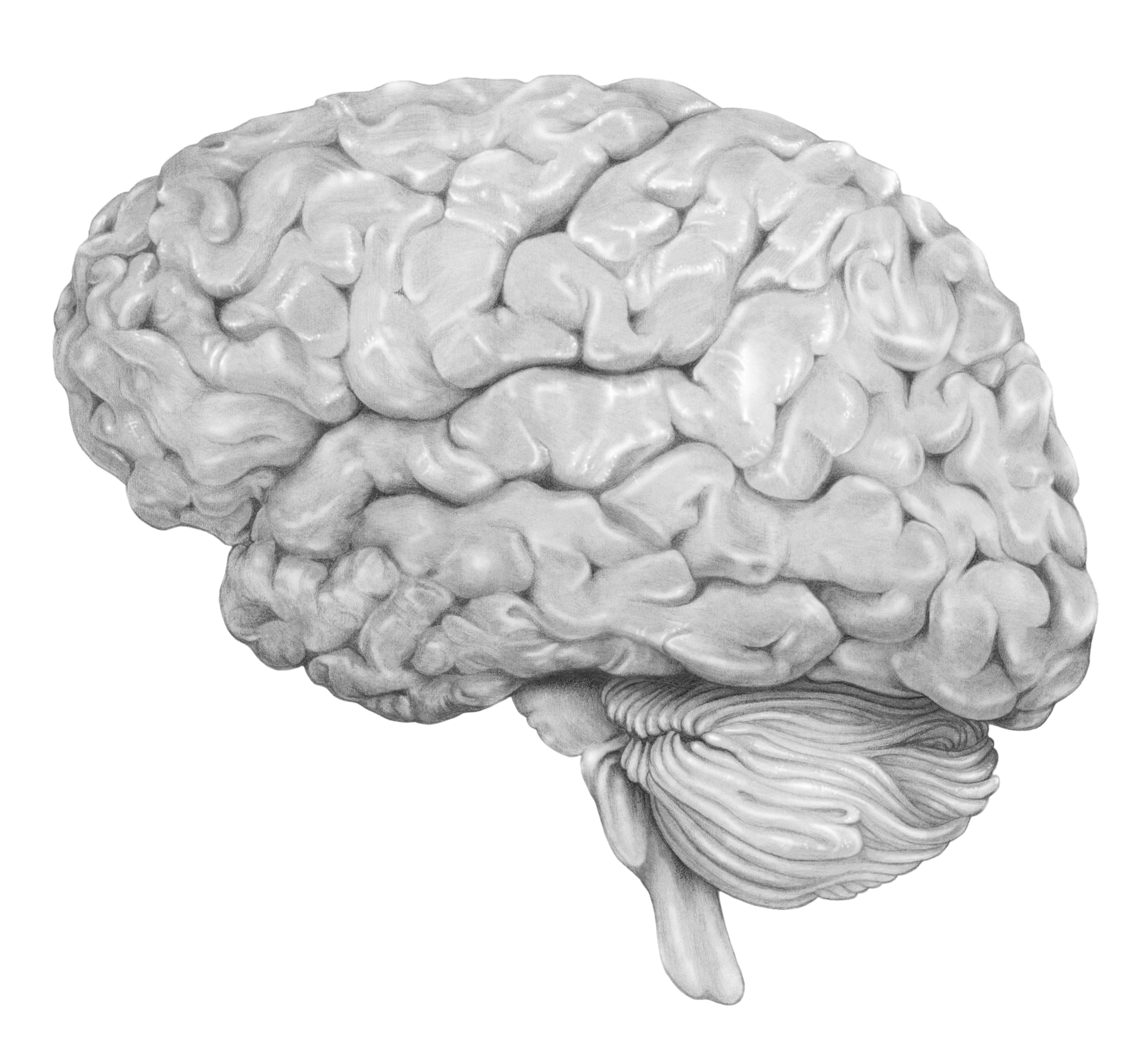
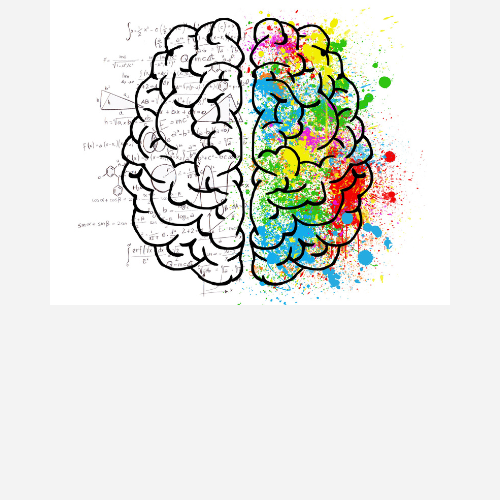
Characterized by feelings of sadness, loss, misery, and loneliness, depression is the most common mental condition in North America. The exact cause of this illness is unknown, although researchers believe it is caused by chemical changes in the brain. Treatment for depression often falls into the hands of pharmaceutical companies and their growing supply of anti-depressant medications.
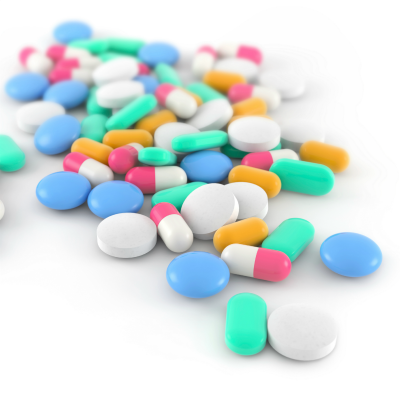
Anti-depressants are a booming business for pharmaceutical companies in the United States, bringing in more than 11 billion dollars in 2010. With this increasing drain on health care resources, the efficacy of these anti-depressant drugs on the treatment of depression has recently been called into question. Researchers are interested in whether these medications actually work or whether patients are experiencing a placebo effect—an improvement in their health outcome because they believe the treatment should work.
To investigate the efficacy of anti-depressants, researchers compared patients receiving the drug to patients receiving an ‘active’ placebo—a drug that is not thought to have any specific effect in treating depression but contains similar side effects to the actual anti-depressant medication. This way, the patients had no idea which substance they were given, as both pills had the same side effects.
These studies revealed only small differences between anti-depressant medication and active placebos in the management of depression. Therefore, the specific effects of anti-depressants may be smaller than originally thought. Perhaps a simple prescription written by a physician is not the best way to go about treating this mental illness.
If anti-depressants are not as effective as people once thought, what are some other options for the treatment of depression?
Psychological Interventions
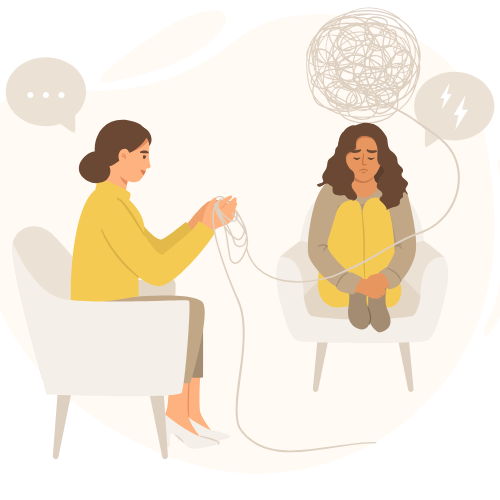
Counseling and cognitive behavior therapies have been shown to be effective in reducing symptoms of depression. Counseling can help you understand the issues that may be behind your thoughts and feelings, while cognitive behavior therapy teaches you how to fight off your negative thoughts.
Light Therapy
Light therapy has been found to be an effective treatment for not only seasonal affective disorder but other types of depression as well. Try stepping outside into the sun for 15-30 minutes a day for a simple way to boost your mood.
Transcranial Magnetic Stimulation
This type of therapy uses magnetic fields to stimulate nerve cells in the brain involved in mood control. It is thought that this stimulation can somehow alter the way this part of the brain is working in order to improve symptoms of depression. More research is needed to determine how well this type of treatment works.
Depression can change the way you see yourself and everything around you. It is a real illness and can be helped with a number of treatments. Your doctor can help you decide on a course of action that is best suited for you.
If you have thoughts of suicide or harming yourself or others, immediately call 911 or go to the hospital emergency room. You may also call a suicide hotline from anywhere you are, 24 hours a day, 7 days a week: 1-800-SUICIDE (1-800-784-2433).