
Let's Talk Carbohydrates
 Download PDF
Carbohydrates are an essential macronutrient and the main source of energy in the body. They also happen to be the brain’s most preferred fuel for brain function. Most people picture bread, pasta, or cereal when they think of carbohydrates. However, carbohydrates come in many different forms, and each form affects the body in its own way. Understanding the differences can make healthy eating feel a lot easier and far less confusing.
Types of Carbohydrates
There are three types of carbohydrates: Sugar, starch, and fibre. Each one reacts differently in the body. Some provide energy quickly, while others release energy more slowly.
- Sugar is digested quickly and provides fast-acting energy.
- Starch breaks down more slowly, offering steadier fuel.
- Fibre is not digested at all and supports digestion, fullness, and blood sugar regulation.
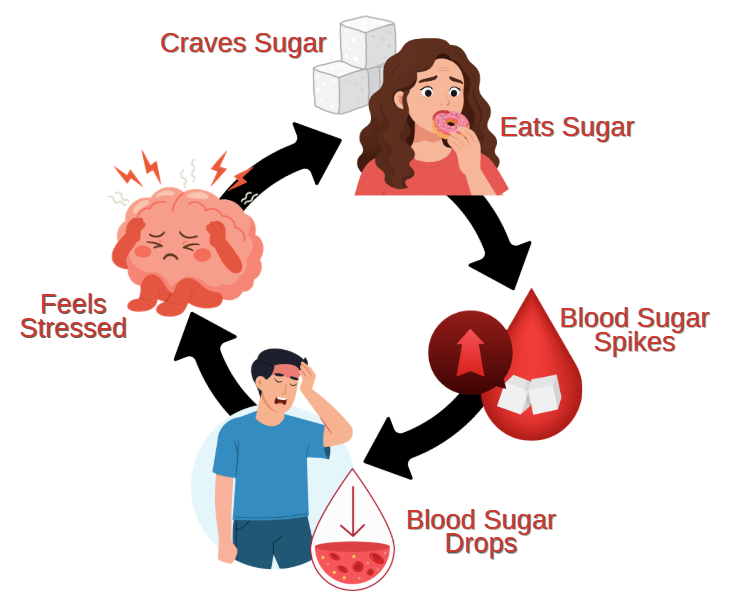
Our food can contain one, two, or all three types of carbohydrates. The balance between these types helps determine how food affects our health. For example, foods that are high in sugar and low in fibre tend to spike blood sugar quickly (i.e., white bread, white rice, and sugary cereals). Foods that contain closer to a 1:1 sugar-to-fibre ratio digest more slowly and cause a gentler rise in blood sugar.
Over time, repeated and rapid spikes in blood sugar can increase the risk of insulin resistance (when the body stops properly using insulin to lower blood sugar) and can cause type 2 diabetes. This is why looking at the type and amount of carbohydrates in your food matters for your long-term health.
Using the Glycemic Index:
To help guide our food choices, we can use a tool called the glycemic index (GI). Foods with a low glycemic index (i.e., whole-grain bread, apples, and steel-cut oats) are digested slowly, helping to keep blood sugar levels steady. Foods with a high glycemic index (i.e., rice, cereals, and potato) are digested quickly, which causes blood sugar levels to spike. Choosing lower GI foods most of the time can help your energy levels feel more consistent and keep you healthy.
Downloadable PDF of Diabetes Canada's GI Index Table: (https://guidelines.diabetes.ca/GuideLines/media/Docs/Patient%20Resources/glycemic-index-food-guide.pdf)
Downloadable PDF ofGI Index Table (United States): (https://glycemic-index.net/glycemic-index-chart/)
Written by Sydney Glac – Health Promotion Coordinator