
Varicose Veins
 Download PDF
When veins become abnormally thick, full of twists and turns, or enlarged, they are called varicose veins.
Veins are blood vessels that return blood from the body back to the heart and lungs. When veins become abnormally thick, full of twists and turns, or enlarged, they are called varicose vein. This happens most commonly in the veins in the legs and thighs.
Causes
Varicose veins are caused by damaged valves within the veins. Valves exist to prevent backward flow of blood as it travels towards the heart. When these values are not working properly, the blood flow will actually reverse and flow down, instead of up. The result is pooling of the blood within a vein, causing it to enlarge.
Many factors can aggravate this condition, including:
- Pregnancy
- Prolonged standing
- Obesity or distended belly
- Straining (constipation, coughing, etc.)
- Prior surgery or trauma to the leg
- Age
- Genetic predisposition
Symptoms
You will know if you have varicose veins if:
- Your veins protrude or bulge from under the skin and feel ropey
- Your legs often ache and feel heavy or itchy
- Your symptoms intensify after a long day of standing on your feet
- You have severe pain upon standing or cramps in your legs at night
Some people will not experience any symptoms at all.
Treatment
The treatment for varicose veins is usually conservative. You may be asked to:
- Avoid excess standing
- Elevate the legs as much as possible (above heart level if you can)
- Wear compression stockings
- Avoid alcohol, which can cause the veins in the legs to dilate
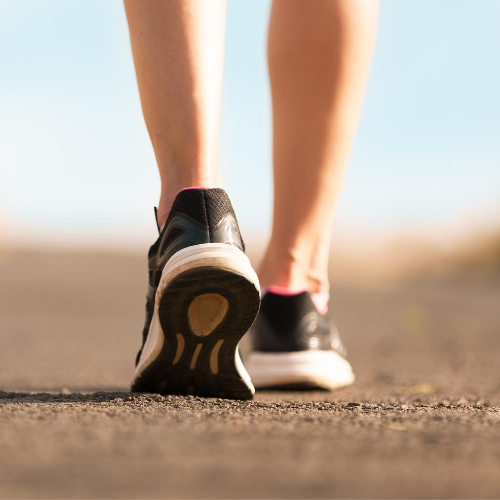
- Walk for exercise
Your doctor may recommend other medical therapies, such as:
- Sclerotherapy, which involves injecting a chemical inside the vein that will obliterate it and cause it to scar
- Lasers, usually in the treatment for smaller veins
- Surgery
Complications
Occasionally, varicose veins may be more than just cosmetic. In some cases they can cause ulcers (large sores in the skin), as well as form painful blood clots.
Call your healthcare provider if:
- Your varicose veins are painful
- They get worse or do not improve with self-treatment, such as elevating your legs or avoided excess standing
- Complications occur, such as swelling, fever, redness of the leg or leg ulcers
Prevention
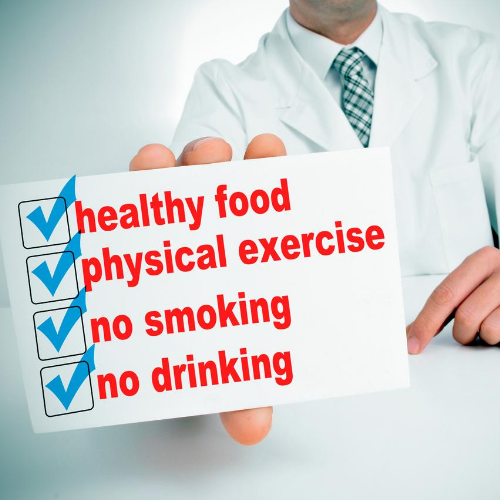
There's no way to completely prevent varicose veins. But improving your circulation and muscle tone by following these tips can reduce your risk of developing varicose veins or getting additional ones.
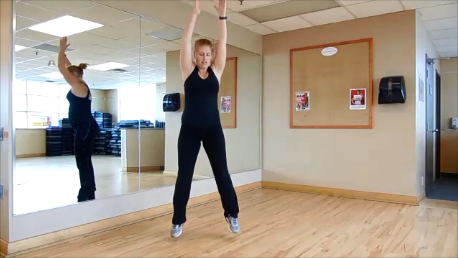
- Exercise
- Watch your weight
- Eat a high-fiber, low-salt diet
- Avoid high heels and tight hosiery
- Elevate your legs
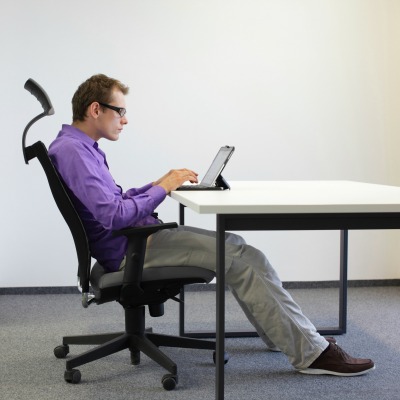
- Change your sitting or standing position regularly