
How to Choose a Sunscreen
 Download PDF
Sunscreen is a product applied to the skin to protect against UV radiation. Sunscreen comes in many forms to suit all skin types and preferences. These include lotions, creams, sprays, gels, sticks, powders, and roll-ons. Sun Protective Factor (SPF) is a component of sunscreen that measures its effectiveness against UVB radiation that causes sunburn and skin damage. As the SPF value increases, sunburn protection increases.
Why is sunscreen important? Sunscreen is extremely important to protect the skin against damaging effects from the sun that can lead to cancer, sunburns, and ageing. Daily sunscreen can help reduce the risk of harmful skin conditions and improve skin texture and tone.
What are the different types of sunscreens? Understanding the two different sunscreen formulas can help you choose which one best fits your skin needs and lifestyle:
• Sunscreen: Absorbs UV rays to limit UV exposure on skin. It is lightweight, clear on the skin, and takes approximately 20 minutes to be effective. This type of sunscreen can cause allergic reactions with sensitive skin.
• Mineral sunblock: Reflects UV rays, has a thick texture, and is visibly white on the skin. Works immediately and is often safer for people with sensitive skin.
What should I look for when buying sunblock/sunscreen?
- Broad spectrum or full spectrum: Protects against different types of UV rays.
- Sun Protection Factor (SPF) 30+: SPF 30 provides 97% coverage from UV rays. Higher than 30 gives slightly more protection.
- Water resistant: Provides some protection when swimming or sweating.
Steps for effective sunscreen application:
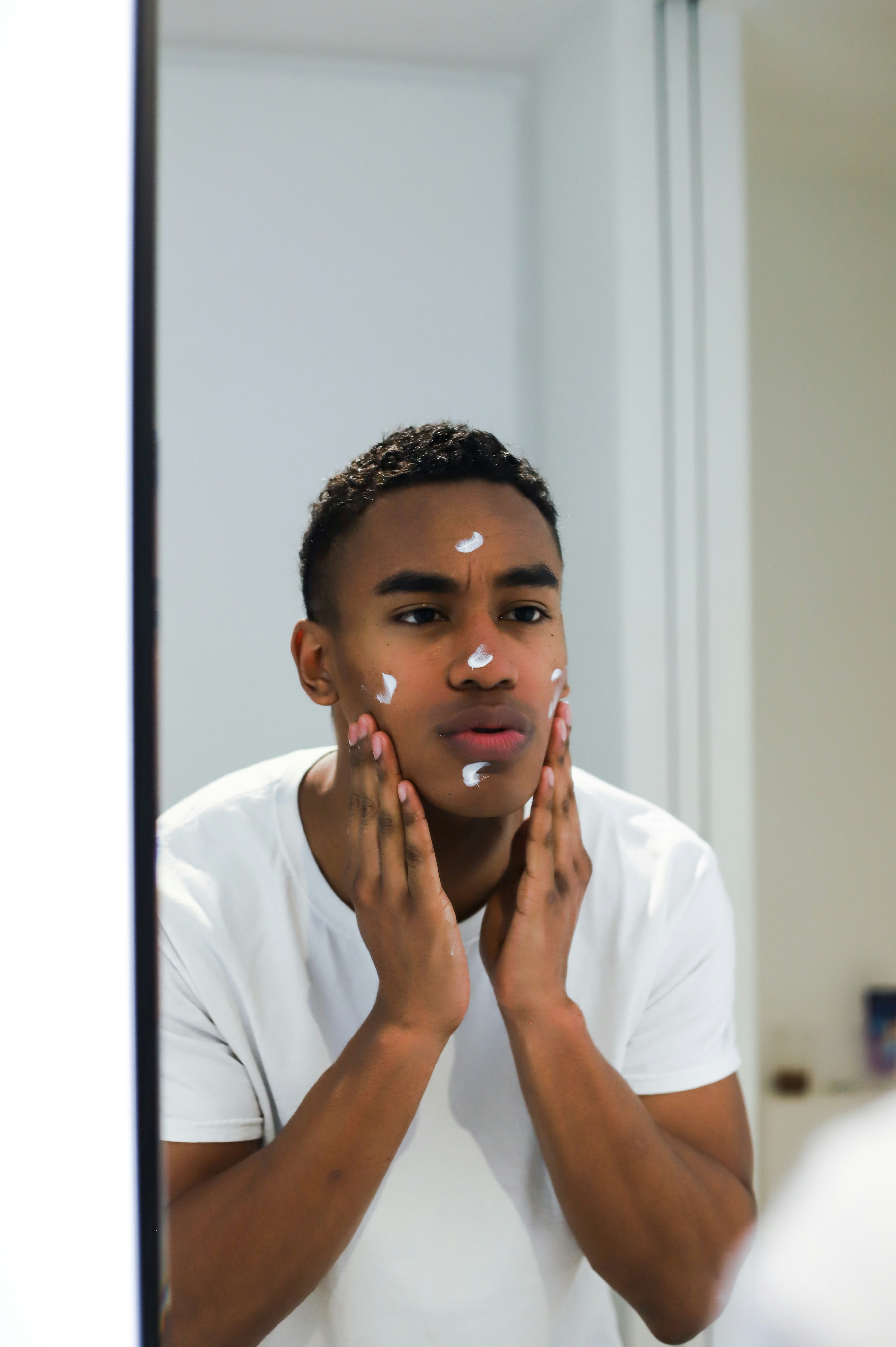
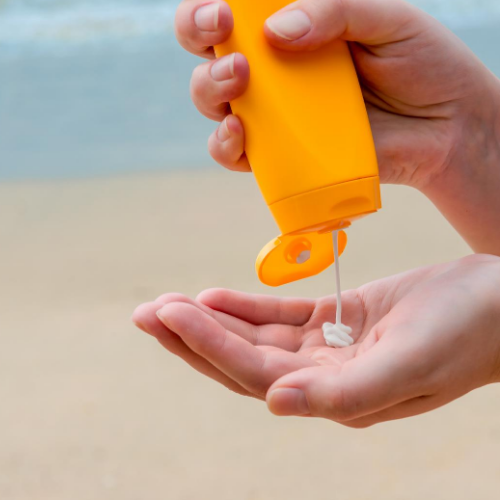
- Follow the two-finger rule: Cover the length of your index and middle fingers with sunscreen and spread evenly on each exposed body part.
- Wait approximately 15 minutes after applying before going outside to allow the sunscreen to be absorbed.
- Re-apply sunscreen every 2 hours to maintain protection from the sun, especially when swimming and sweating.
Written by Savannah Harrison, Health Promotion Co-op Student