
Toxins in the Home
 Download PDF
From household cleaners to paint, these products should be limited in the home!
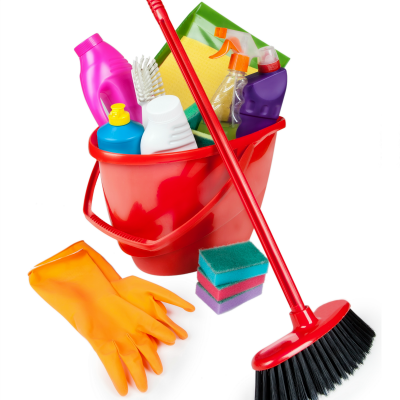
Toxins lurk in our homes, accumulate in our bodies, and contribute to a variety of illnesses. Volatile Organic Compounds (VOCs) are present in every home and every workplace.
They comprise a large number of the toxins in our home. As a liquid that can evaporate into the air we breathe, VOCs can have a number of short-term and long-term adverse health effects. Examples of VOCs include:
- Paints and lacquers
- Paint strippers
- Cleaning supplies
- Pesticides
- Building materials and furnishings
- Office equipment such as copiers and printers
- Correction fluids and carbonless copy paper
- Graphics and craft materials such as glues and adhesives, permanent markers, and photographic solutions
- Moth repellents and air fresheners
- Stored fuels and automotive products
- Dry-cleaned clothing
Three of the most dangerous VOCs include:
Formaldehyde – A known carcinogen, yet it is still used in cleaning products, permanent press fabrics, wallpapers, furniture, and mattresses. It is a respiratory irritant that can cause dizziness, insomnia, headaches, and rashes.
Perchloroethylene – An organic solvent used by many dry cleaners, despite the fact that it can damage the liver, kidneys, and vision. It has been listed by the Environmental Protection Agency (EPA) as a hazardous air pollutant and comprises 90% of all groundwater pollution in the U.S.
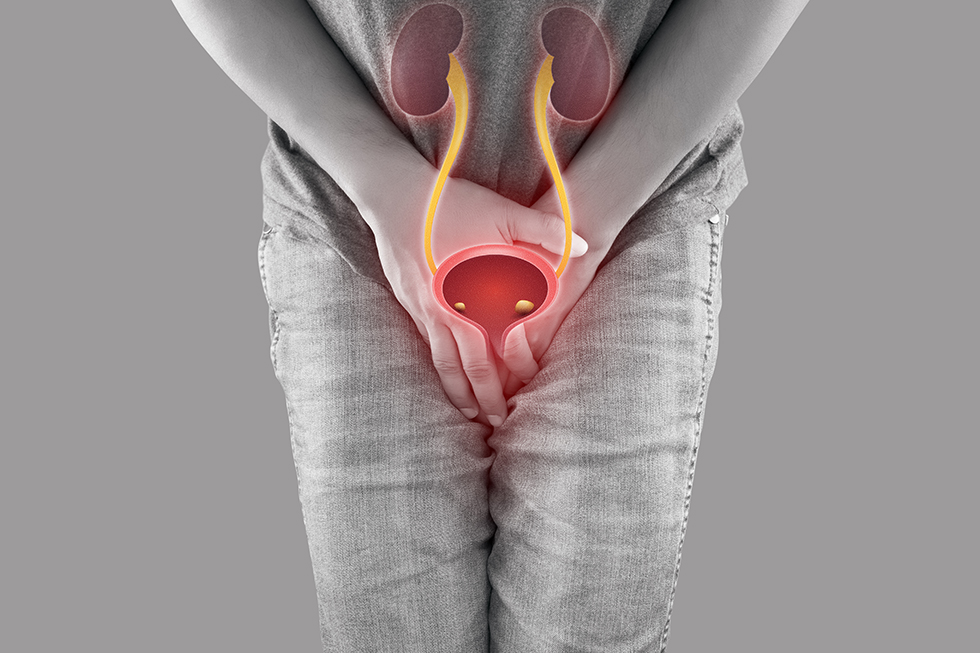
Benzene – Used in a large variety of products, such as paints, plastics, detergents, rubber, and solvents. It has also been found in cigarette smoke and petroleum solvents. Benzene exposure has been named a Class A carcinogen by the EPA. It has been linked to leukemia, skin problems, respiratory illness, lung cancer, bladder cancer, and lymph gland cancer.
Children today are born with toxins in their bodies. In a 2004 study, the Environmental Working Group found that 287 toxins were present in the umbilical cords of newborn babies. Many organic chemicals are suspected of causing, or are known to cause, cancer in humans. Other effects include eye, nose, and throat irritation; headaches; loss of coordination; nausea; and damage to the liver, kidneys, and central nervous system.
Steps to Reduce Exposure:
- Throw away partially used containers of old or unneeded chemicals safely – because gases can leak from closed containers.
- Only use chemicals in well-ventilated areas – bring them outdoors or open up the windows to let some fresh air in.
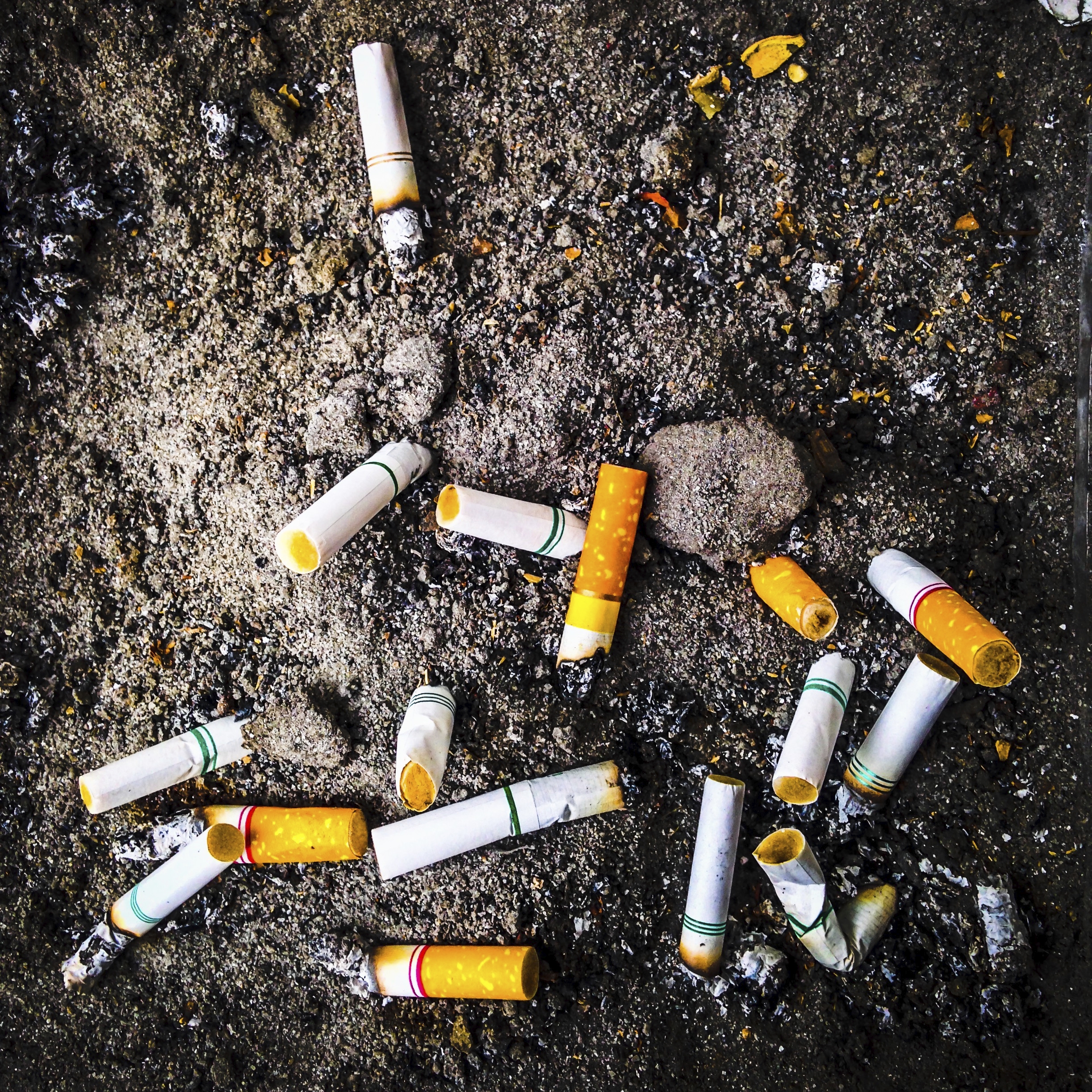
- Ban smoking in the home – cigarette smoke contains benzene, a known human carcinogen.
- Air out your dry-cleaned clothes outside before bringing them into the house.
- Avoid plug-ins or air fresheners:
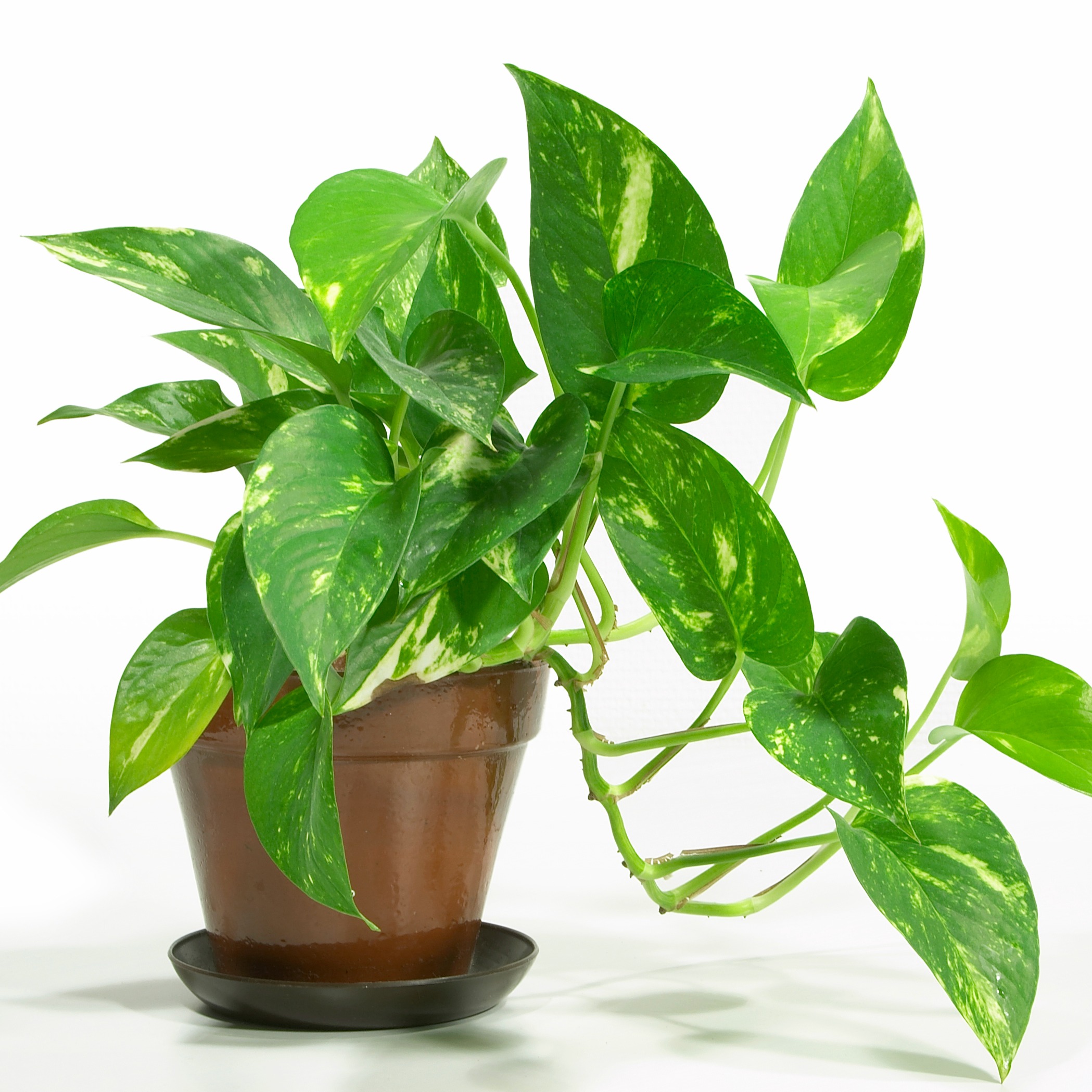
- Baking soda or vinegar with lemon juice in small dishes absorbs odors around the house.
- Prevent cooking odors by simmering vinegar on the stove while cooking (1 tbsp. in 1 cup water).
- Grind up a slice of lemon in the garbage disposal.
- Simmer water and cinnamon or other spices on the stove.
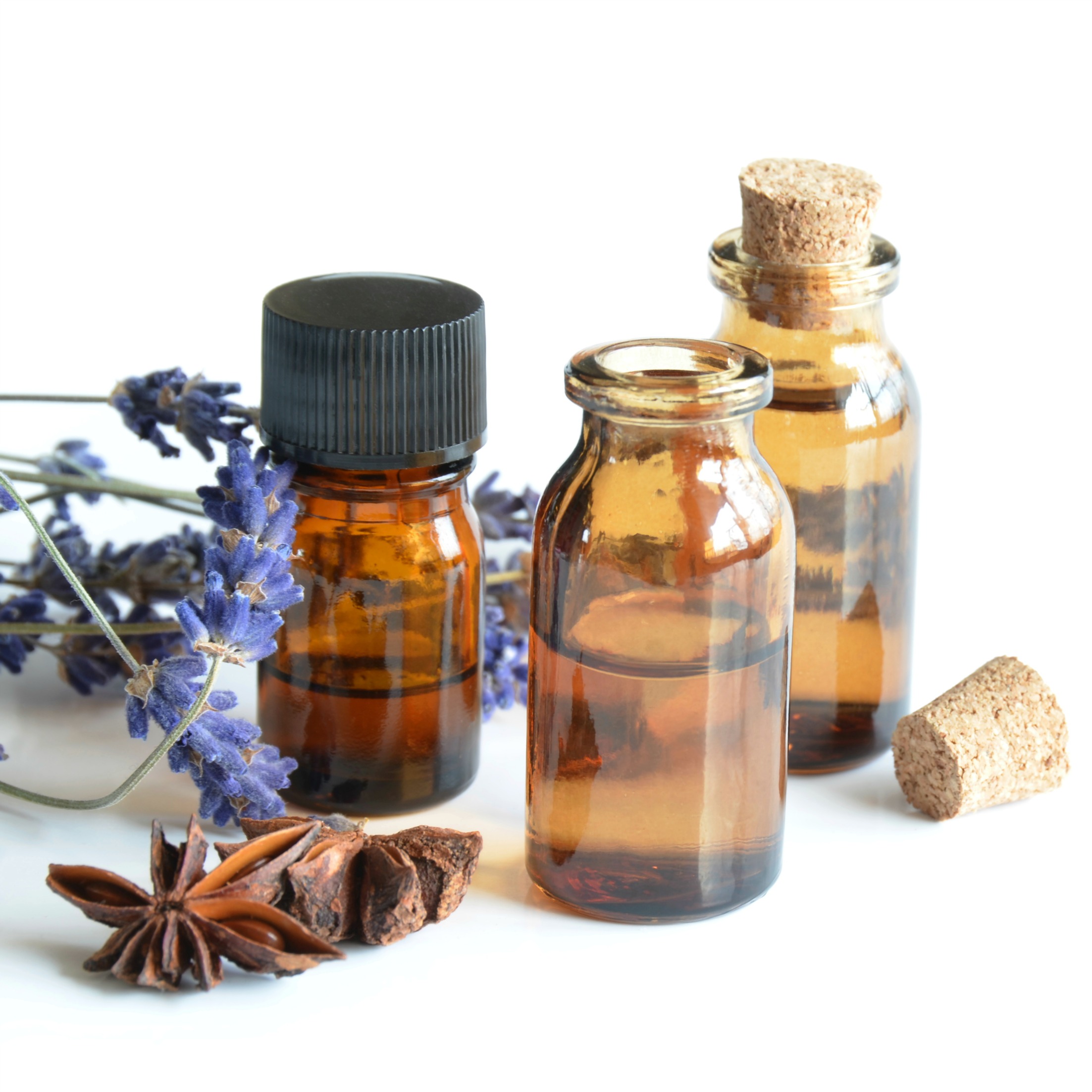
- Place bowls of scented dried herbs and flowers in a room.
Sources: Coldwell Banker Blog