
Movember Lifestyle: Signs & Symptoms of Prostate Cancer
 Download PDF
According to the recently published 2017 Canadian Cancer Statistics, 1 in 7 Canadian men will encounter prostate cancer in their lifetime and 1 in 27 will die from prostate cancer. Every man and caring friend, partner, or relative should know the signs of prostate cancer.
Most of the time prostate cancer will not show any signs or symptoms in the early stages. Therefore, it is important to go for a regularly scheduled physical exam.
If prostate cancer is suspected at the early stage, then a more thorough screening may be needed for confirmation. This involves a Prostate-specific Antigen (PSA) test or a Digital Rectal Exam (DRE). If a PSA test or DRE indicates that prostate cancer is present, more monitoring and testing is needed to fully diagnose prostate cancer and determine the appropriate steps for treatment.
Some noncancerous conditions of the prostate can also cause symptoms similar to the symptoms of prostate cancer; such as an enlarged prostate or a urinary bladder infection that brings about urinary symptoms. Therefore, the cause of a symptom may be a different medical condition that is not cancer. It is also important to note that sometimes men with prostate cancer do not feel any changes or symptoms.
When prostate cancer does show symptoms or signs, it is usually diagnosed in a later stage. Some of these symptoms and signs may include:
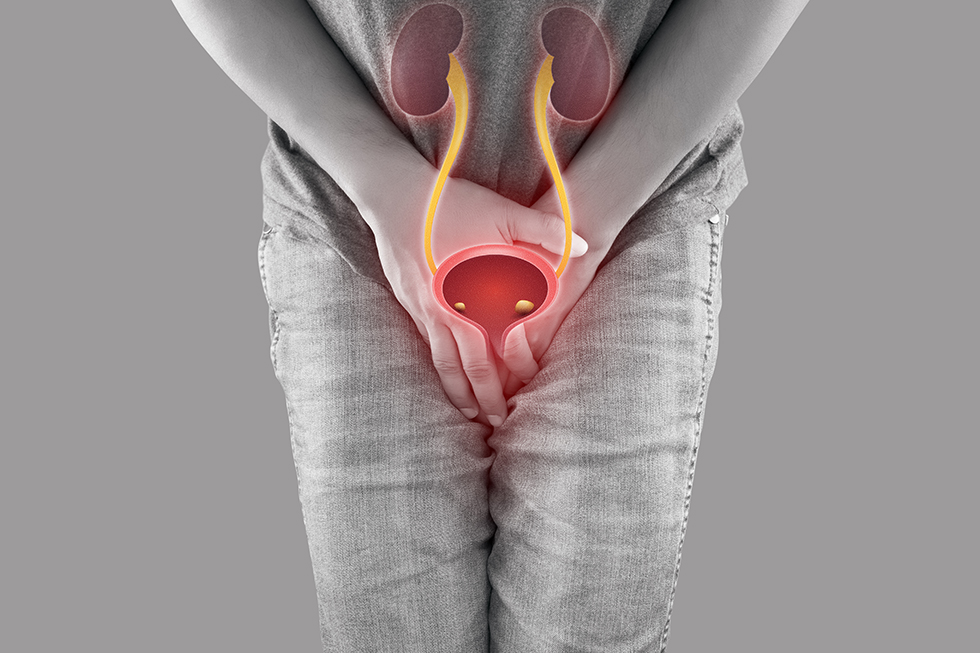
- Frequent or painful urination
- Weak or interrupted urine flow or the need to strain to empty the bladder
- The urge to urinate frequently at night
- Blood in the urine
- Blood in the seminal fluid
- New onset of erectile dysfunction
- Pain or burning during urination, which is much less common
- Discomfort or pain when sitting, caused by an enlarged prostate
If the cancer has spread outside of the prostate, then the man may experience:
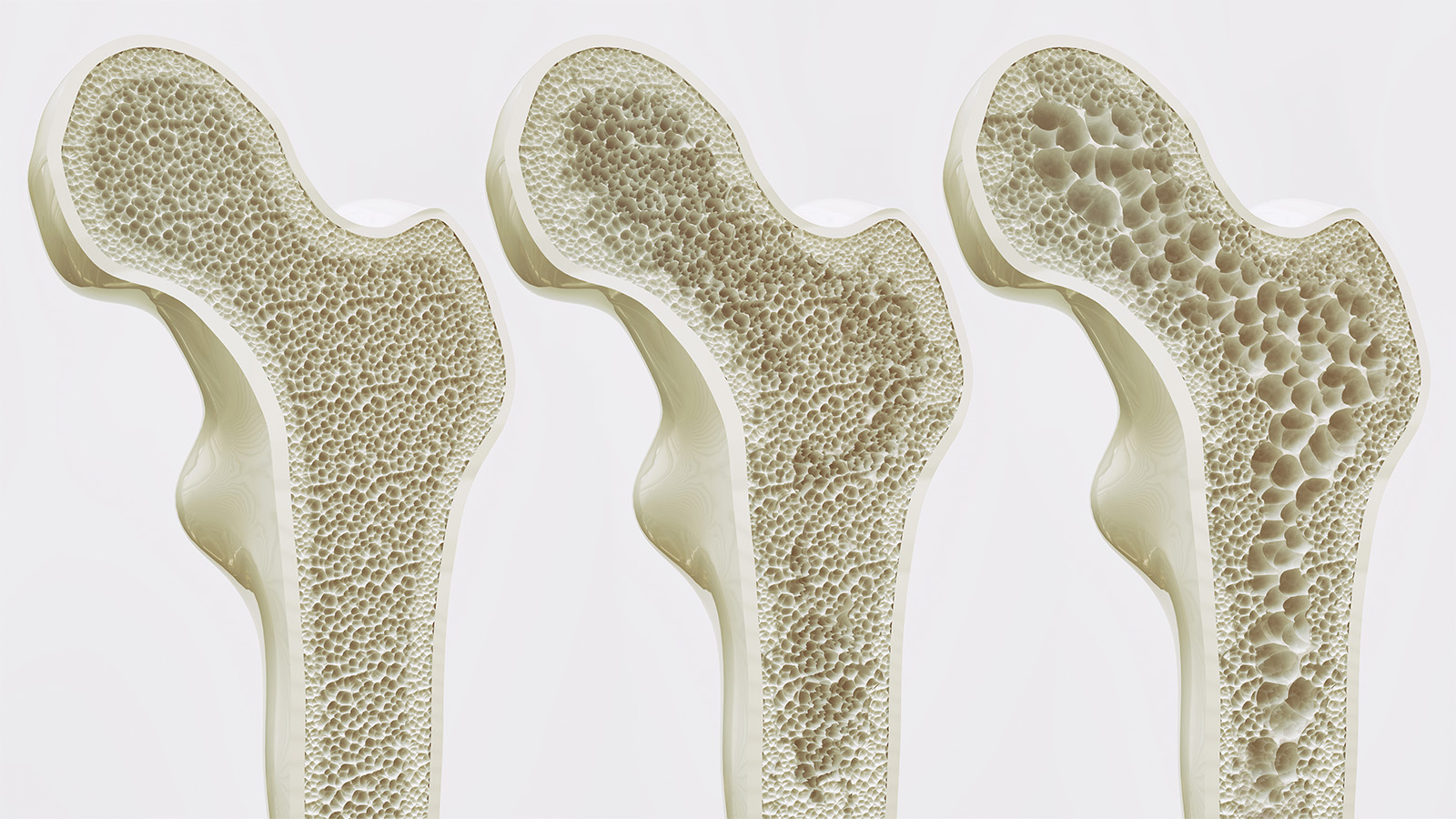
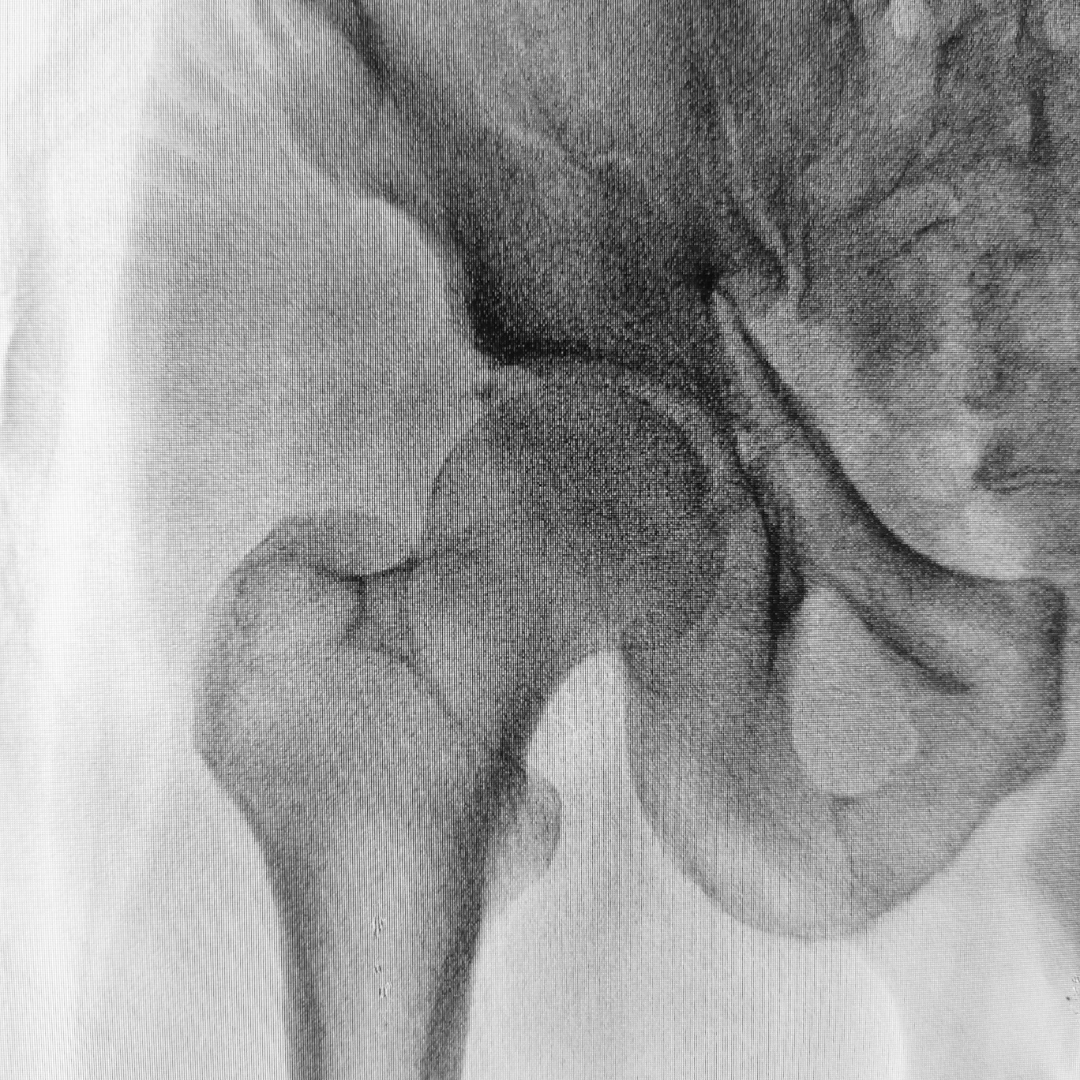
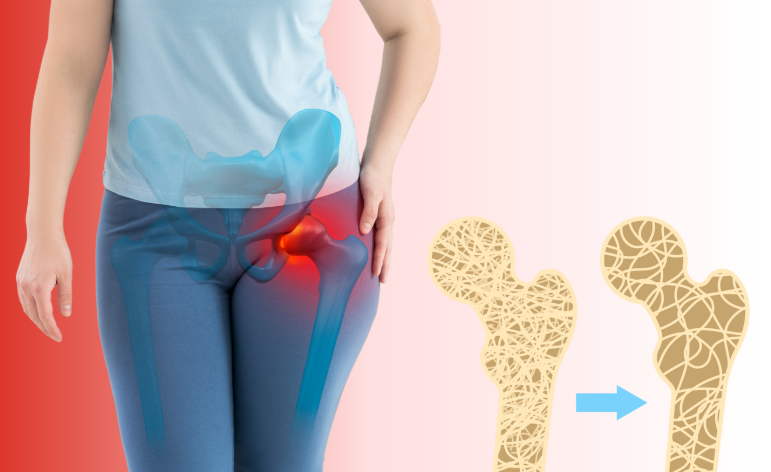
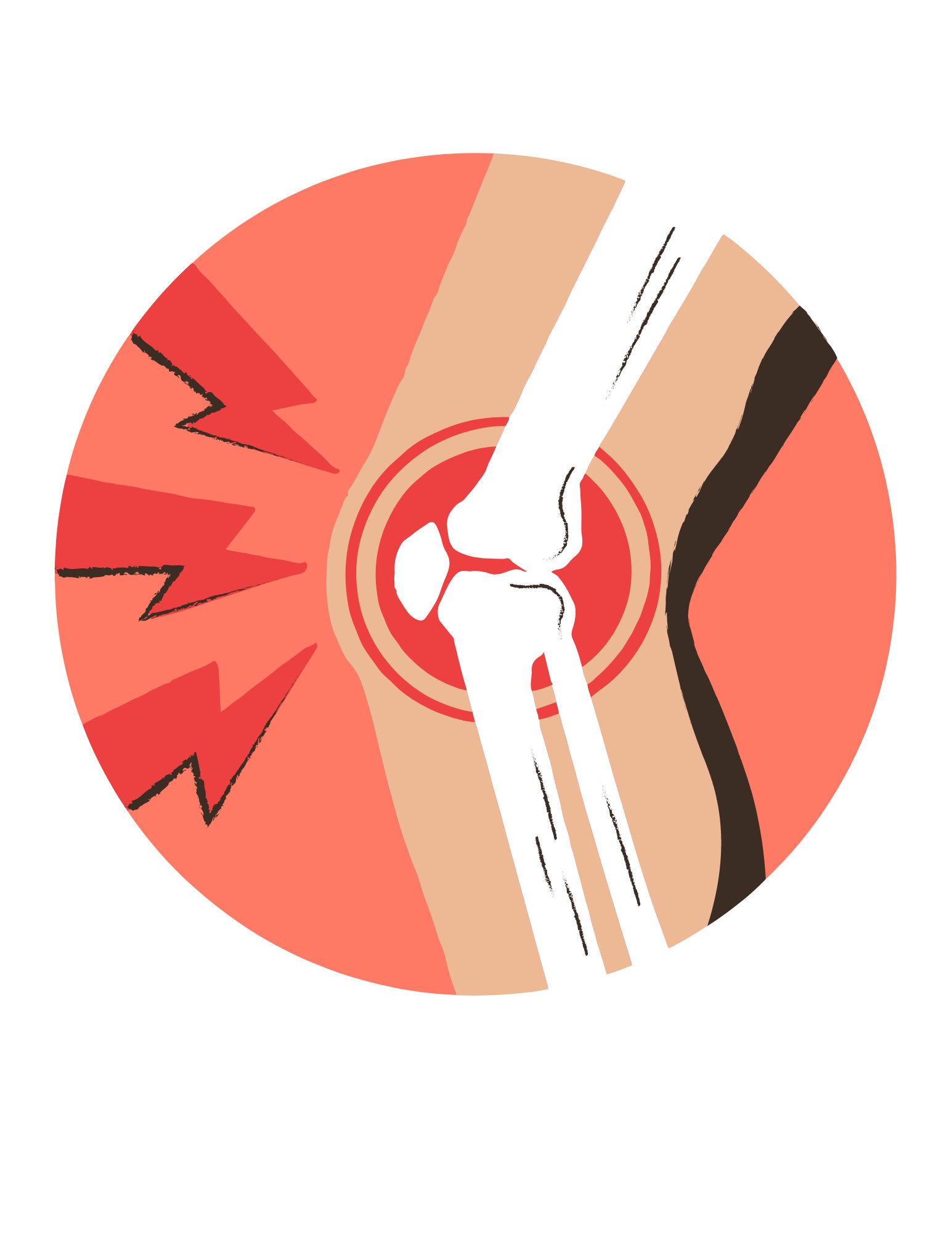
- Joint pain in the back, hips, thighs, shoulders, or other bones
- Swelling or fluid buildup in the legs or feet
- Unexplained weight loss
- Fatigue
- Change in bowel habits
If you are concerned about any changes you experience, please talk with your doctor. Your doctor will ask questions about how long and how often you have been experiencing the symptom(s) to help figure out the cause of the problem and establish a diagnosis. If cancer is diagnosed, relieving and controlling the symptoms remains an important part of the treatment. This may also be called symptom management, palliative care, or supportive care. Be sure to talk with your health care team about the symptoms you experience, including any new symptoms or a change in symptoms.