
Stop the Leak: How Pelvic Floor Exercises Can Help Urinary Incontinence
 Download PDF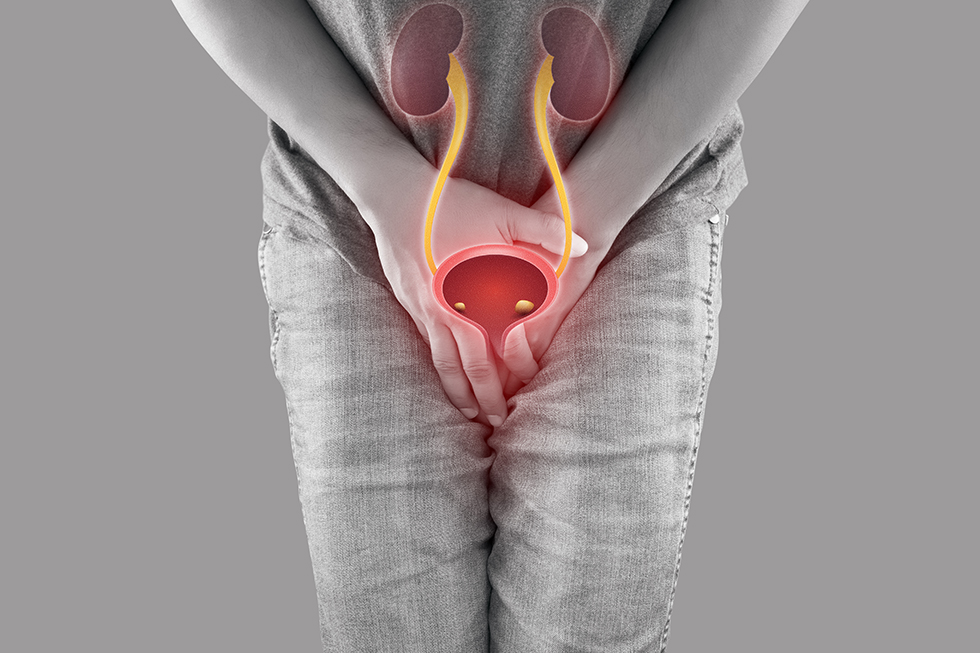
Urinary Incontinence occurs when the bladder leaks urine uncontrollably. While it can feel embarrassing or frustrating, it is both common and highly manageable. One of the most effective natural treatments is pelvic floor exercises (Kegels), which strengthen the muscles that support bladder control and confidence.
What Is Urinary Incontinence?
Urinary incontinence (UI) happens when the muscles and nerves controlling the bladder do not function properly. There are four different types of urinary incontinence:
- Stress incontinence: Leaking urine when you cough, laugh, sneeze, or exercise.
- Urge incontinence: A sudden, hard-to-control need to urinate.
- Overflow incontinence: When the bladder does not fully empty.
- Mixed incontinence: A combination of the above.
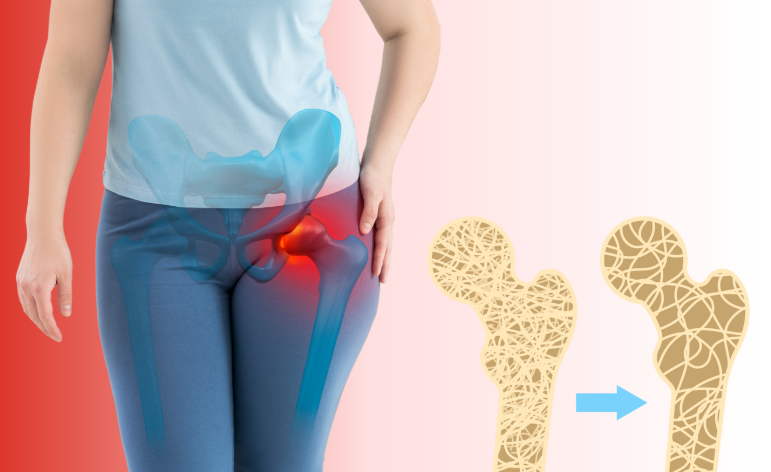
These issues often stem from a weak pelvic floor, the group of muscles supporting the bladder, uterus or prostate, and bowel.
How Pelvic Floor Exercises Help
Pelvic floor exercises strengthen the muscles that control urination. With regular practice, leakage can be reduced by up to 70%. They are simple, free, and can be done almost anywhere, with most people seeing results after a few weeks.
How to Do Them
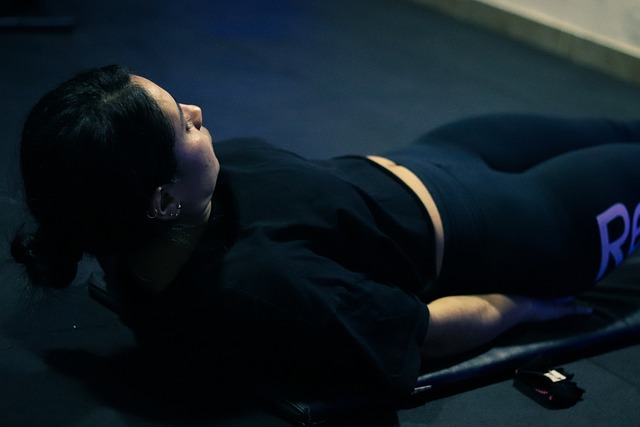
To locate the right muscles, try stopping your urine mid-flow once (do not do this regularly). Later, when you no longer have the urge to urinate, tighten those muscles for five seconds, then relax for five seconds. Repeat 10–15 times, two or three times daily. Keep your breathing steady and your stomach, thighs, and buttocks relaxed. You can practice these exercises sitting, standing, or lying down, at your desk, on the couch, or even in the car. If unsure, a pelvic floor physiotherapist can help.
With consistent practice, you can strengthen your pelvic floor, improve bladder control, and regain confidence. Just a few minutes a day can make a lasting difference.
Written by: Rayan Alameddine, Health Promotion Coordinator