
Identify and Manage Burnout
 Download PDF
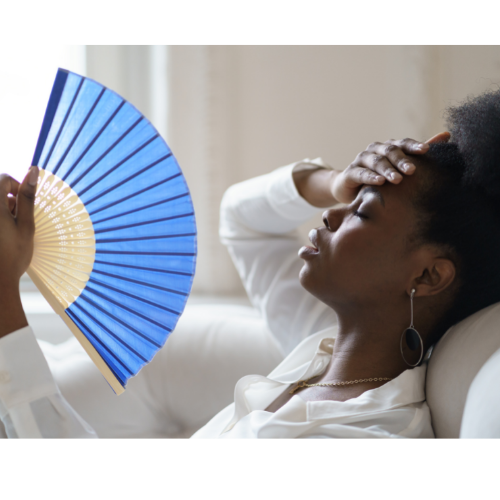
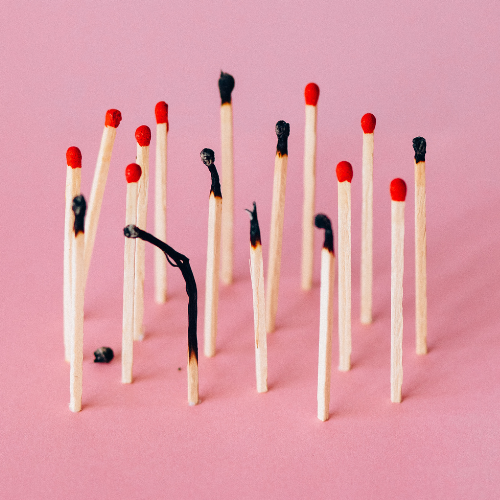
Burnout is a medical condition, described as a syndrome resulting from long-term stress that has not been successfully managed. It is important to note that burnout and stress are not the same. Under stress, we are still able to cope with stressors even though they may be challenging. When we experience burnout, we can no longer cope with pressure and experience a strong sense of hopelessness, making even small tasks seem like climbing a mountain.
Burnout contains three main characteristics:
- Emotional exhaustion: Feeling very tired and drained all the time, like you have no energy left.
- Cynicism: Becoming negative or detached, especially about your work or things you used to care about.
- A sense of personal inefficiency: Feeling like you are not doing a good job or making a difference, even when you are trying your best.
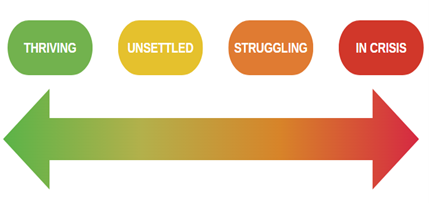
Burnout is not something that comes on suddenly, it is a condition that develops as a result of prolonged unmanaged stress. There are traditionally 12 stages of burnout but these can be simplified into five stages, outlined below:
- Honeymoon: This stage may look like a new job or a new role where our excitement and commitment to proving ourselves leads to taking on too many responsibilities. Without proper coping strategies in place, we may find ourselves in the next stage of burnout.
- Onset of stress: As the honeymoon stage fades, work can still feel rewarding, but stress starts to build and some days feel harder than others. We may feel less positive and less productive, and notice signs like fatigue, irritability, or trouble focusing. If our own needs are not taken care of in the stress onset stage, we may move into the chronic stress stage.
- Chronic stress: At this stage, stress becomes constant and harder to manage, leading to stronger symptoms like anger, ongoing tiredness, and getting sick more often. We may start to feel negative, disconnected, or powerless, and pull away from others. Ignoring these signs can lead to burnout.
- Burnout: At this stage, burnout becomes severe, and we may feel constantly overwhelmed and unable to cope with daily demands. Exhaustion affects us physically, mentally, and emotionally, while negative feelings like cynicism, self-doubt, and isolation grow stronger. Without changes, symptoms can worsen and make recovery more difficult.
- Habitual burnout: If burnout is not treated, it can lead to serious and ongoing mental, physical, and emotional problems, such as depression. At this stage, a leave from work and getting help from a healthcare professional is often needed.
If you are unsure if you are experiencing signs of burnout, click here to access a 3-minute self-assessment.
Burnout cannot be cured by taking a vacation or working fewer hours. It takes long-term investment in our health and aligning our life and work with our values to effectively treat burnout. Remember that exhaustion is not a badge of honour - early identification and intervention are the most effective ways to prevent and manage burnout.
If you are having difficulty coping with stress or are experiencing burnout, know that you are not alone. You are encouraged to take advantage of Magna’s open-door policy by speaking with your leaders about available support options. You can also access Magna’s employee and family assistance program (EFAP – code: magna), which connects you to confidential counselling services and helpful resources to support you and your family with managing stress.