
Busting Sleep Myths
 Download PDF
Sleep is much more than a chance to rest. When sleeping, the body works behind the scenes to restore energy, strengthen the immune system, and support physical and mental well-being. Social media is filled with sleep tips, and trending wellness routines that promise better rest, but are they accurate? Let’s sperate the facts from the myths and breakdown some popular sleep hacks.
1. Myth: Your body gets used to the lack of sleep.
Fact: Over time, you may feel less drowsy from lack of sleep; however, when you do not get enough sleep, both your body and brain can struggle to perform at their best. Poor sleep can reduce focus, weaken the immune system, and contribute to health problems over time.
2. Myth: If you are having trouble falling asleep, stay in bed until you fall asleep.
Fact: If you are unable to fall asleep after 20 minutes of laying in bed, it is recommended to get out of bed and do a relaxing activity in a quiet, dimly lit space, such as reading a book. Then, once you feel sleepy, return to bed. This can help your brain connect your bed with sleep.
3. Myth: More sleep always means better sleep.
Fact: Getting enough sleep is important, but sleep quality matters too. A good sleep allows your body and brain to move through the sleep stages (REM cycle) needed for physical recovery, learning, memory, and overall health, helping you wake up feeling rested and refreshed.
4. Myth: Napping makes up for a lack of sleep at night.
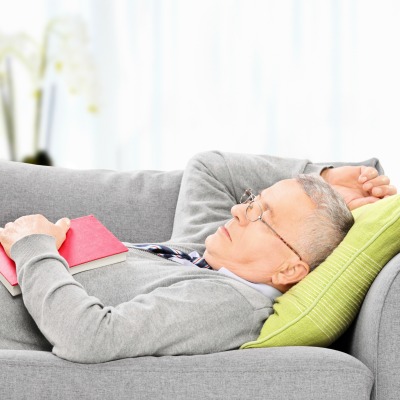
Fact: A short nap (20-minutes or less) can help boost your energy and focus during the day, but it cannot replace the benefits of a proper long sleep. Relying on naps to make up for missed sleep can make it harder to maintain a regular sleep schedule and make it hard to fall asleep at the end of your day.
5. Myth: The longer the nap, the better.
Fact: Long naps can make it harder to fall asleep at bedtime and may leave you feeling groggy when you wake up. This creates a cycle where poor sleep leads to more napping throughout the day and ongoing fatigue. It is recommended to keep naps between 10 – 20 minutes and have them 7-8 hours before bed.
Simple Sleep Habits for Better Rest
- If you cannot fall asleep after 20 minutes, get out of bed and do a quiet, relaxing activity like doing a crossword or colouring until you feel sleepy.
- A cool bedroom can help you fall asleep faster and stay asleep longer.
- Exposure to natural light in the morning helps regulate your internal clock and supports better sleep at night.
- Reducing screen time before bedtime can help your body produce melatonin, the hormone that supports sleep.
Written by Cynthia Nakabiri (Health Promotion Coordinator)