
Movember Lifestyle: Nutrition, Activity, Prevention
 Download PDF
Many of the healthy eating habits that promote optimal health, management, and prevention of diabetes and heart disease also appear to protect men from possible prostate cancer progression. Along with an active lifestyle and exercise regime, specific foods and nutrients may be beneficial to include in the diet to help reduce Prostate-Specific Antigen (PSA) and possibly lower the risk of prostate cancer occurrence and recurrence while improving chances of survival.
Some considerations known to reduce the risk of prostate cancer progression include:
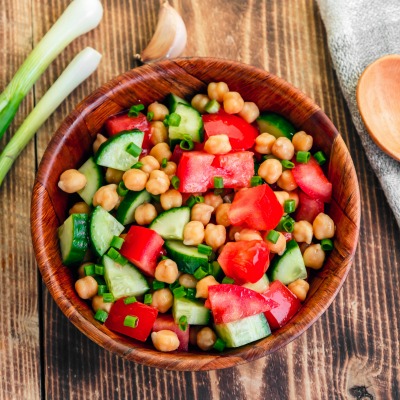
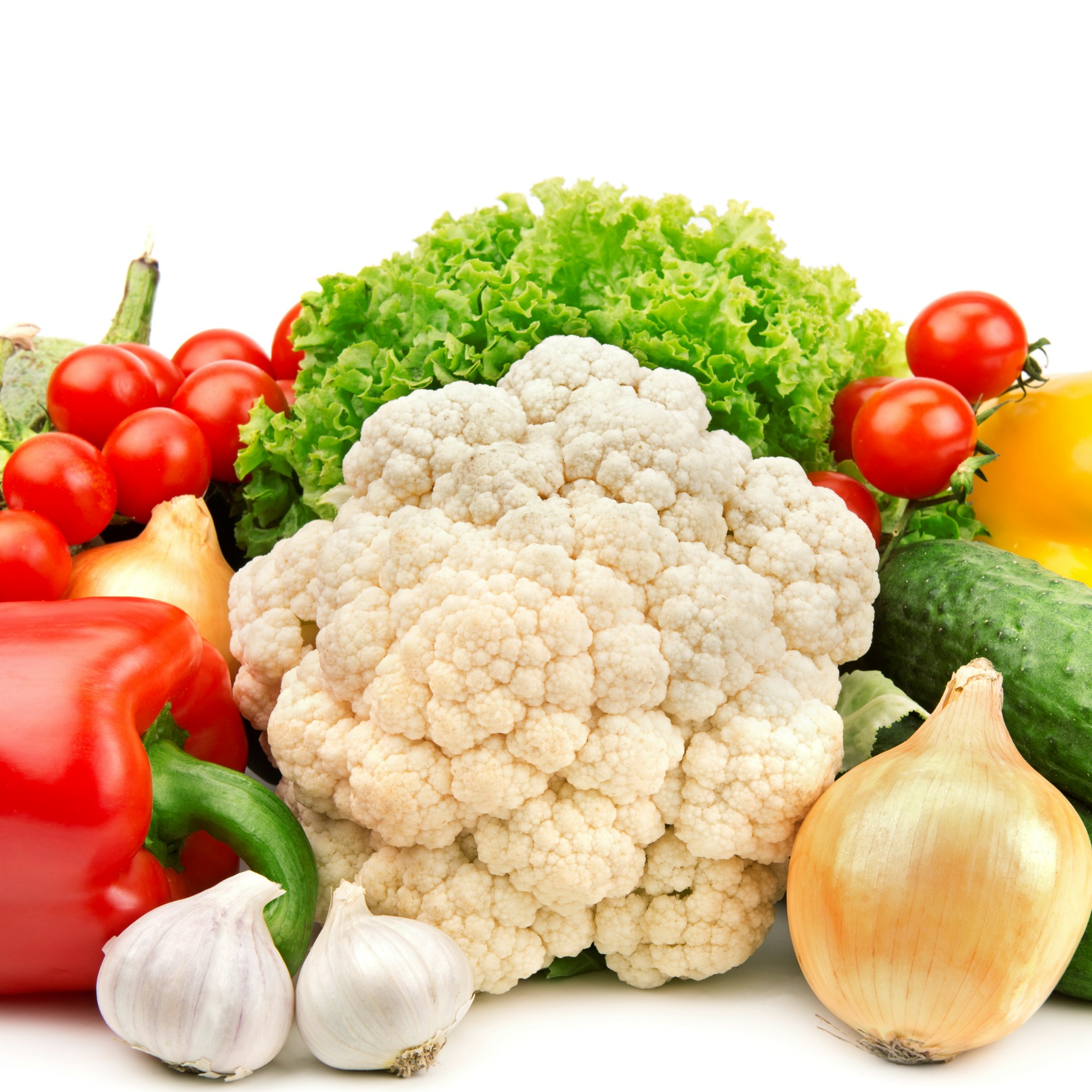
Consuming more foods that are rich in lycopene, such as cooked tomatoes or a lycopene supplement (up to 30 mg/day). Other foods with a red pigment such as watermelon, guava and pink/red grapefruit are also sources of lycopene. In men diagnosed with prostate cancer, studies suggest that a diet rich in tomatoes or a lycopene supplement (up to 30 mg) may be beneficial in lowering their PSA and thus potentially slowing the progression of prostate cancer.
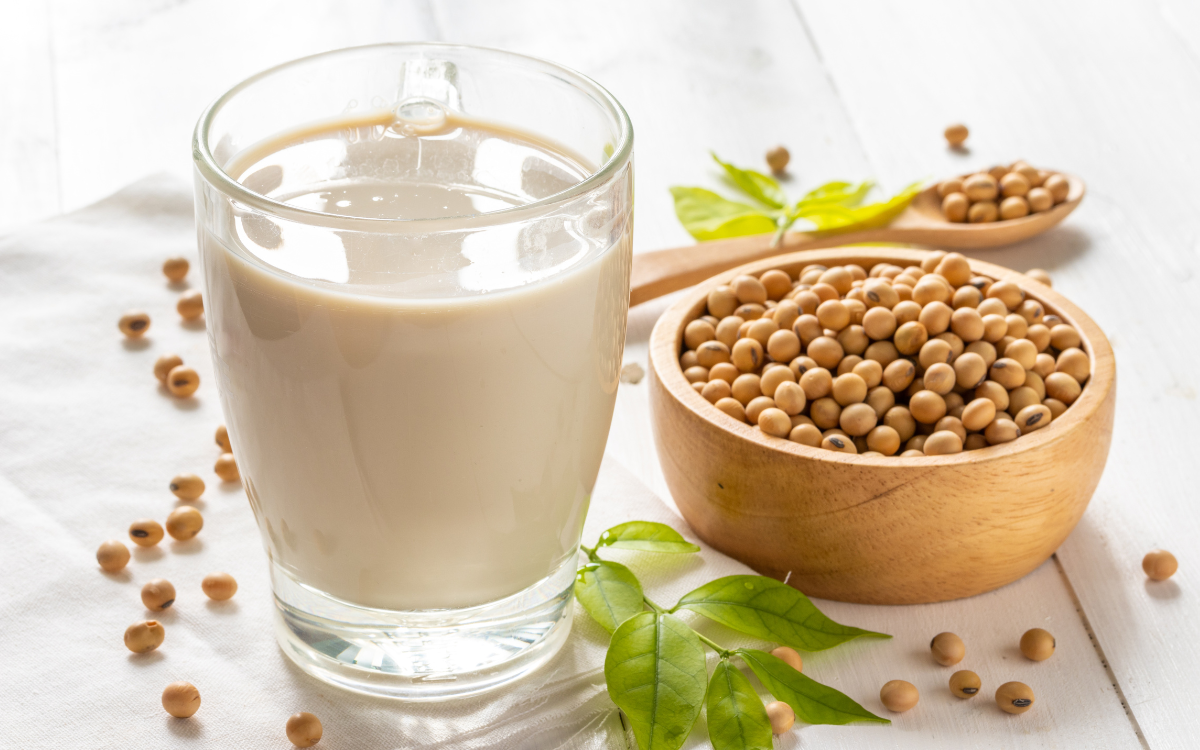
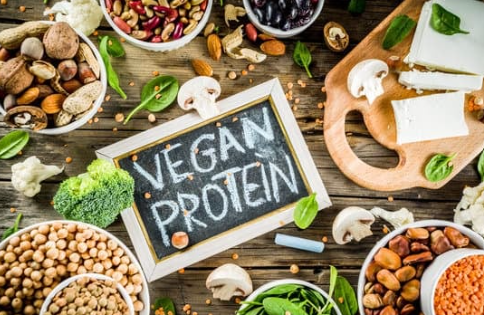
• Consuming more soy-based food. Soy foods are known to have anti-cancer properties and may provide some protection against both prostate cancer development and its progression. It is recommended to eat soy foods such as soybeans, soy beverages and tofu consumed as whole soy foods rather than substitutes know as soy “isoflavone” supplements. Currently, soy supplements can vary a lot in their nutritional content and are not recommended by physicians for prostate cancer management as it is hard to measure how much is being consumed.
• Adding ground flaxseed to the diet. Whole ground flaxseeds have the greatest nutritional value (including fibre) compared to whole flaxseed or flaxseed oil. Flaxseed is a nutritious food and may be beneficial for men with prostate cancer to help lower the risk of cancer progression and as a bonus, it is also a good food choice for general health improvements. Flaxseed contains fibre and many other vitamins and minerals and is a good source of omega-3 fatty acids.
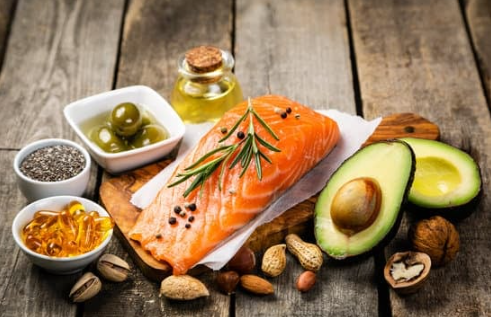
• Foods rich in selenium or a selenium supplement (up to 200 µg/day) may be beneficial for men with prostate cancer. The selenium content in food varies considerably depending on the selenium content of the soil where the animal was raised, or the plant was grown. Selenium is found in many foods including meat, fish, poultry, eggs, dairy products, grains and some tree nuts like the Brazilian nut.
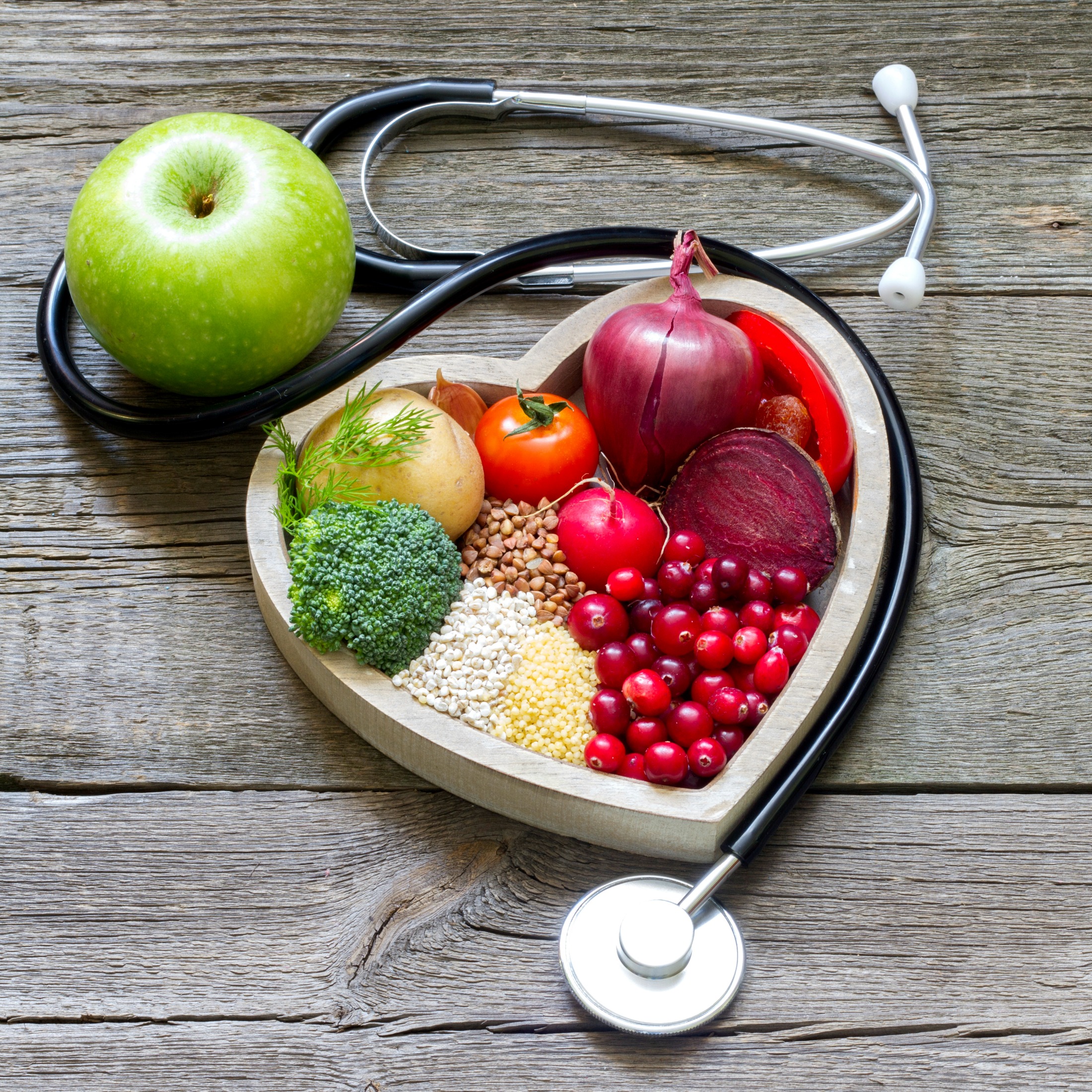
A balanced diet and carefully managed nutritional supplements should be a part of an overall comprehensive lifestyle program that aims to improve the diet, include regular physical activity and manage a healthy body weight. These programs often have broad health benefits beyond prostate cancer and may help to lower the risk of developing other chronic diseases as well (i.e. diabetes, heart disease, and stroke).