
Men's Mental Health through Andropause
 Download PDF

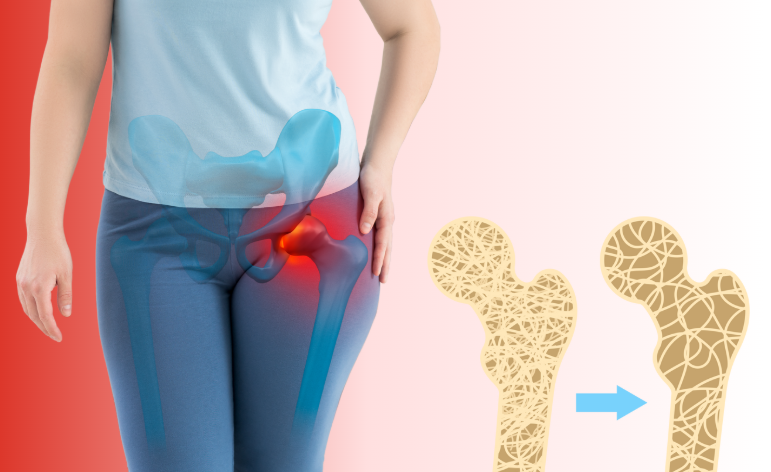
The term ‘andropause’ has become popular to describe the decrease in testosterone men face as they age. However, this can be misleading as it is not the same as quick drop in hormones that women face during menopause. As men age, their testosterone slowly and steadily decline over many years. Male testosterone levels may never fall below a normal range, with only 10-15% of men 60 years and older report low testosterone levels. An ‘acceptable’ level of testosterone depends on your age since testosterone naturally decline over time. For example, the acceptable level for a 50-year-old may not be acceptable for a 35-year-old.
Of the men with low testosterone levels some do not show any symptoms. Some symptoms of low testosterone in men include loss of energy, weakness, irritability, unpredictable mood, depression, lowered libido, and erectile dysfunction. It is important to note that many of these symptoms can also be caused by aging, medications or other health conditions. If you are experiencing symptoms of low testosterone, speak to your doctor. They could ask for blood work to see your testosterone levels, assess your medications, review metabolic disorders (diabetes, high cholesterol, heart disease), and/or perform a physical exam.
If testosterone levels are considered too low, a doctor may prescribe testosterone replacement therapy (TRT). Be cautious, TRT is not a 'cure all' prescription that makes you feel younger and it may not be the right treatment for you based on your risk factors. Other ways to improve and maintain testosterone levels include:
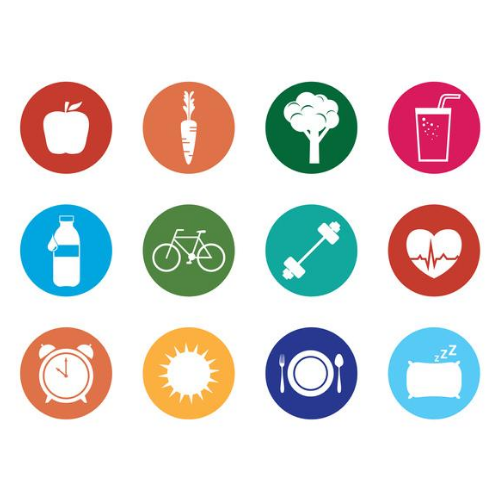
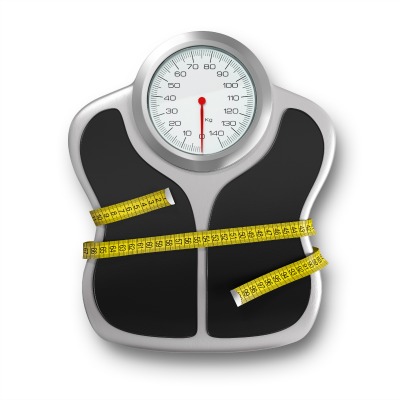
- Weight loss: maintain a healthy weight as excess abdominal fat can reduce testosterone.
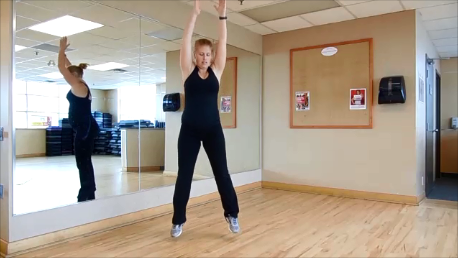
- Exercise: resistance training and high-intensity interval training (HIIT) can improve testosterone levels and support wellbeing.
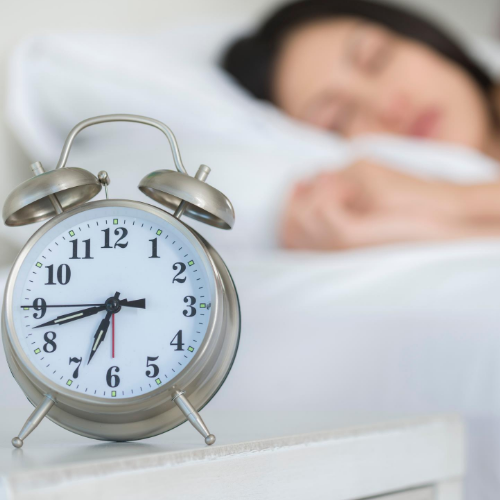
- Sleep: aim for 7-9 hours of sleep to support testosterone reproduction.
Regardless if it is andropause contributing to poor mental health, mental health concerns should never be dismissed. Especially among men who are aging or in isolation. While both men and women are at risk of poor mental health as they age, symptoms can show up differently for men. Men also tend to have a harder time seeking help due to societal norms and stigma. This is why it is important to recognize some of the following common signs for poor mental health in men:
- Withdrawn or emotionally numb
- Risky behaviour/decision making
- Irritability or aggression
- Tiredness and restlessness
- Lack of motivation or hopelessness
- Substance use
How can you find mental health support or be supportive for the men in your life?
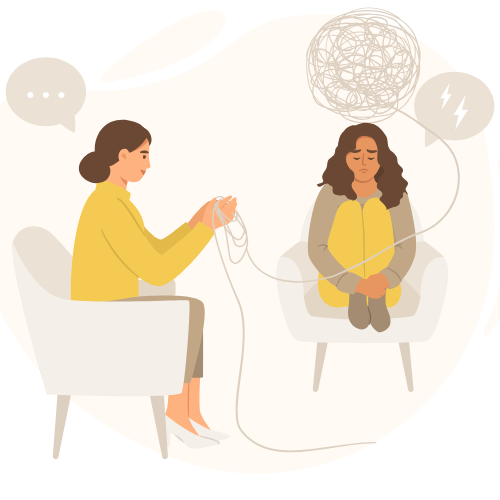
- Try Magna’s free Employee Family Assistance Program (EFAP) to connect with a therapist and receive free counselling sessions. Visit: helpwhereyouare.com (code: magna).
- Check in regularly with your male friends and family. If you or someone you know is experiencing a mental health crisis, call 988 or your local emergency services.
- Become trained in Mental Health First Aid to help others in your life. You never know when a mental health crisis may present itself.
- We cannot always prevent stress, but being able to recognize our stress response can help. Try grounding yourself when you feel tense, irritable or anxious by asking yourself the following:
- Why do I not feel safe?
- What happened right before I felt this way?
- Am I in actual danger?
- Does this feel familiar to a situation in my past?
Remember you are not alone, men all around the world face mental health challenges and often do not speak up about it. Help break the stigma by talking openly about mental health with those going through life transitions.
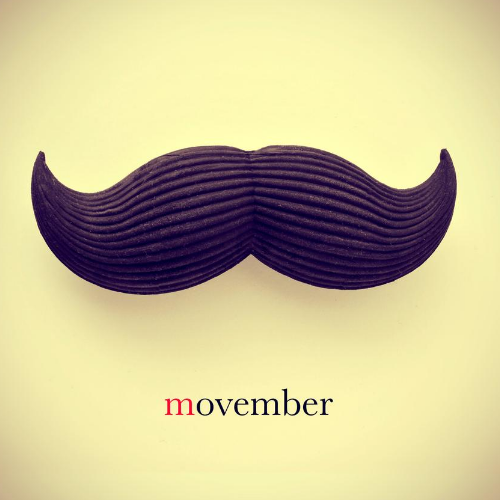
To support men’s mental health, Magna is once again raising money for Movember. Click here for the international page and scroll down to find your region's donation page.
Written by Erika Dunn, Health Promotion Coordinator