The Impact of Everyday Choices
 Download PDF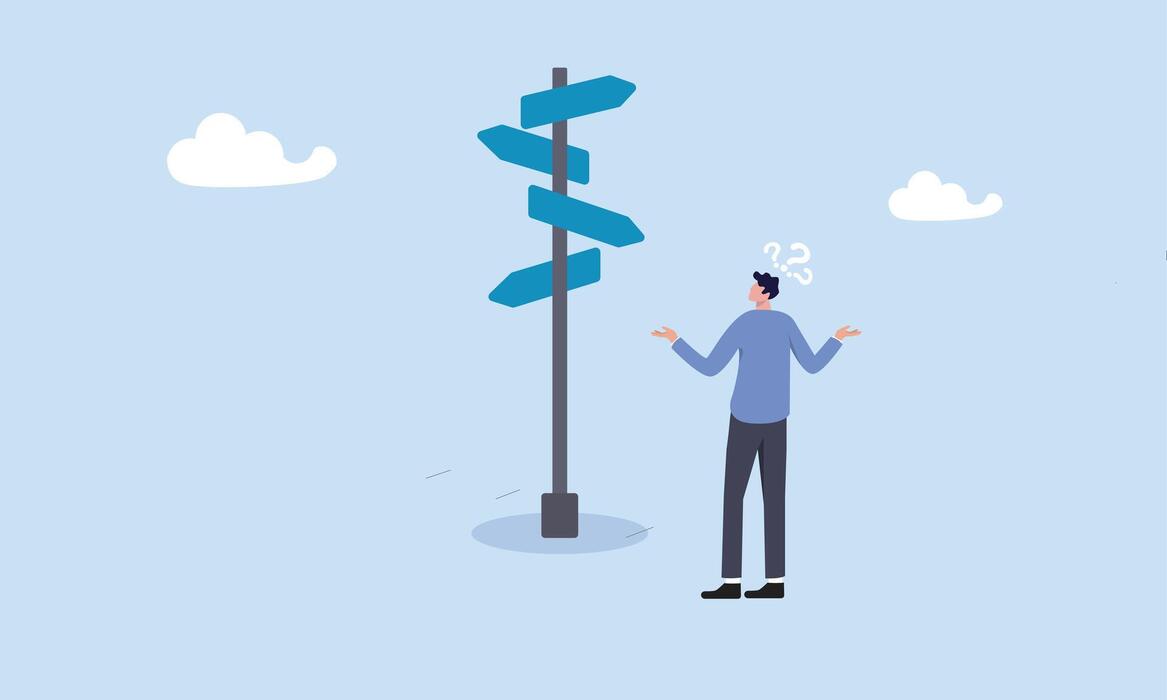
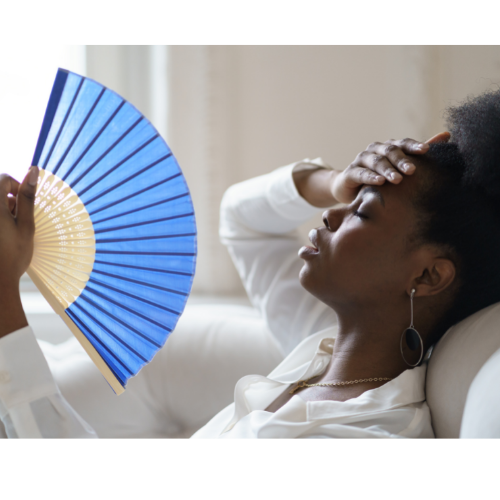
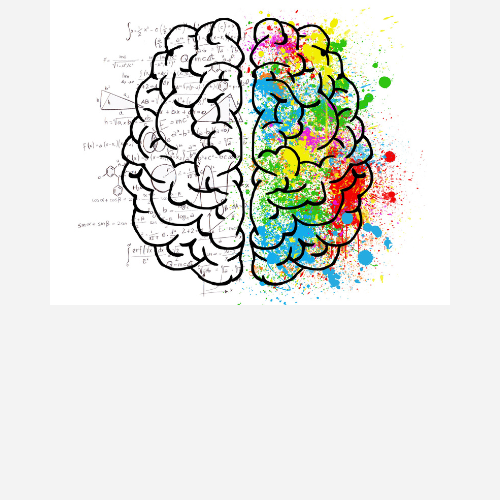
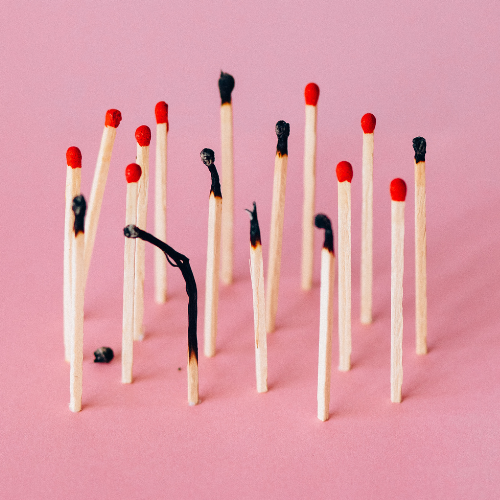
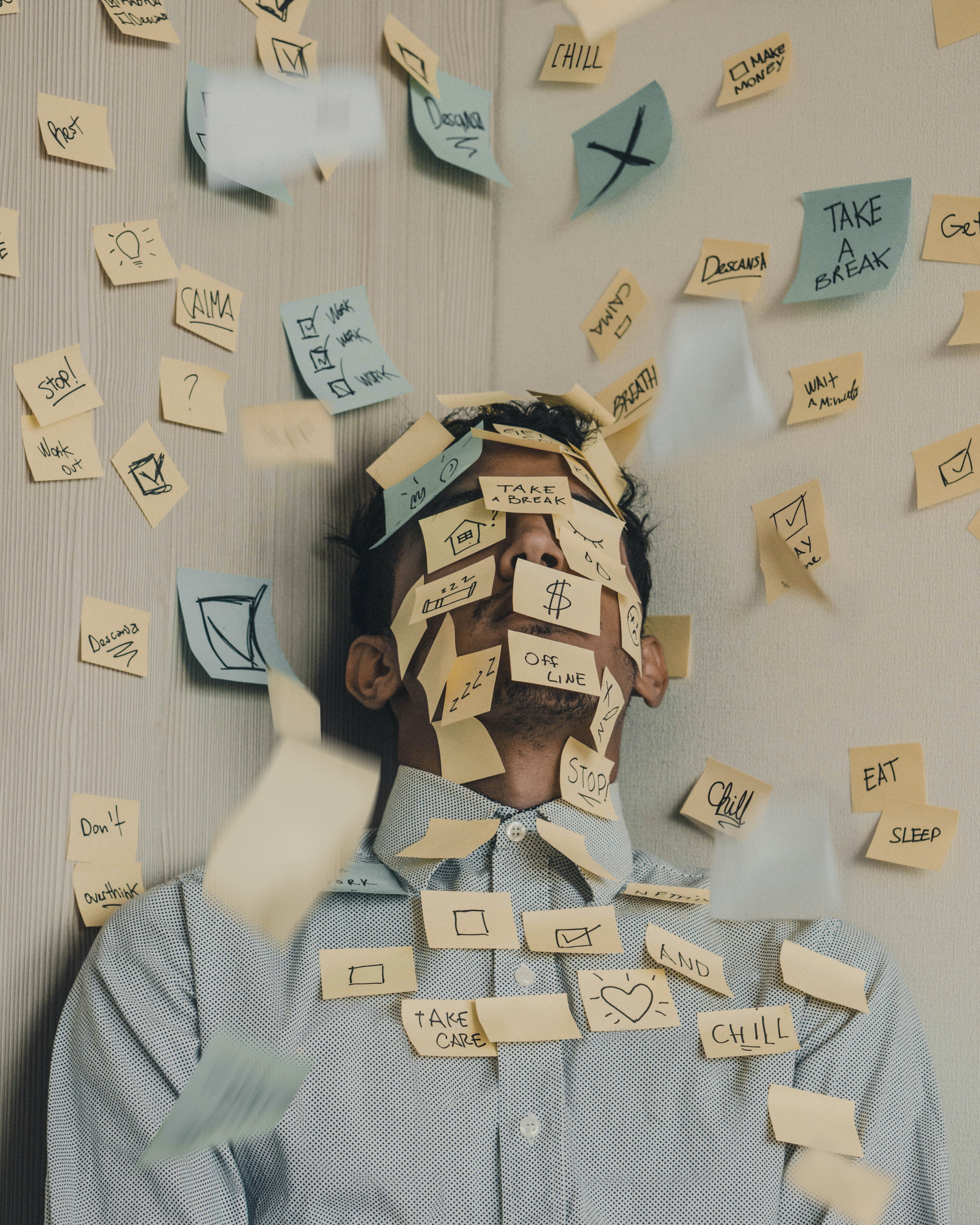
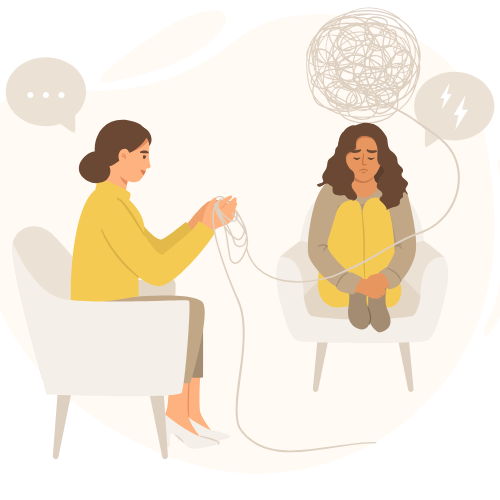
Do you ever feel overwhelmed by the endless choices you have to make each day? From deciding what to wear to planning your evening meal, these small decisions can add up quickly and be mentally draining. If this feeling sounds familiar, you may be experiencing decision overload, a state of reduced mental energy from repeated choice-making. Decision overload can leave you feeling physically, emotionally and mentally exhausted. This makes it more difficult to focus, solve problems and manage stress.
Know the signs of decision fatigue
Cognitive:
Indecision - “I don’t know what to pick”
Overthinking - “What if I choose the wrong option”
Behavioural:
Avoidance - “I’ll deal with this later. Right now, I just want to do something fun”
Emotional:
Overwhelm - “This is too much to think about”
Mental exhaustion - “I’m done making decisions”
Once you notice the signs of decision fatigue, design your day to reduce it
1. Simplify your decisions
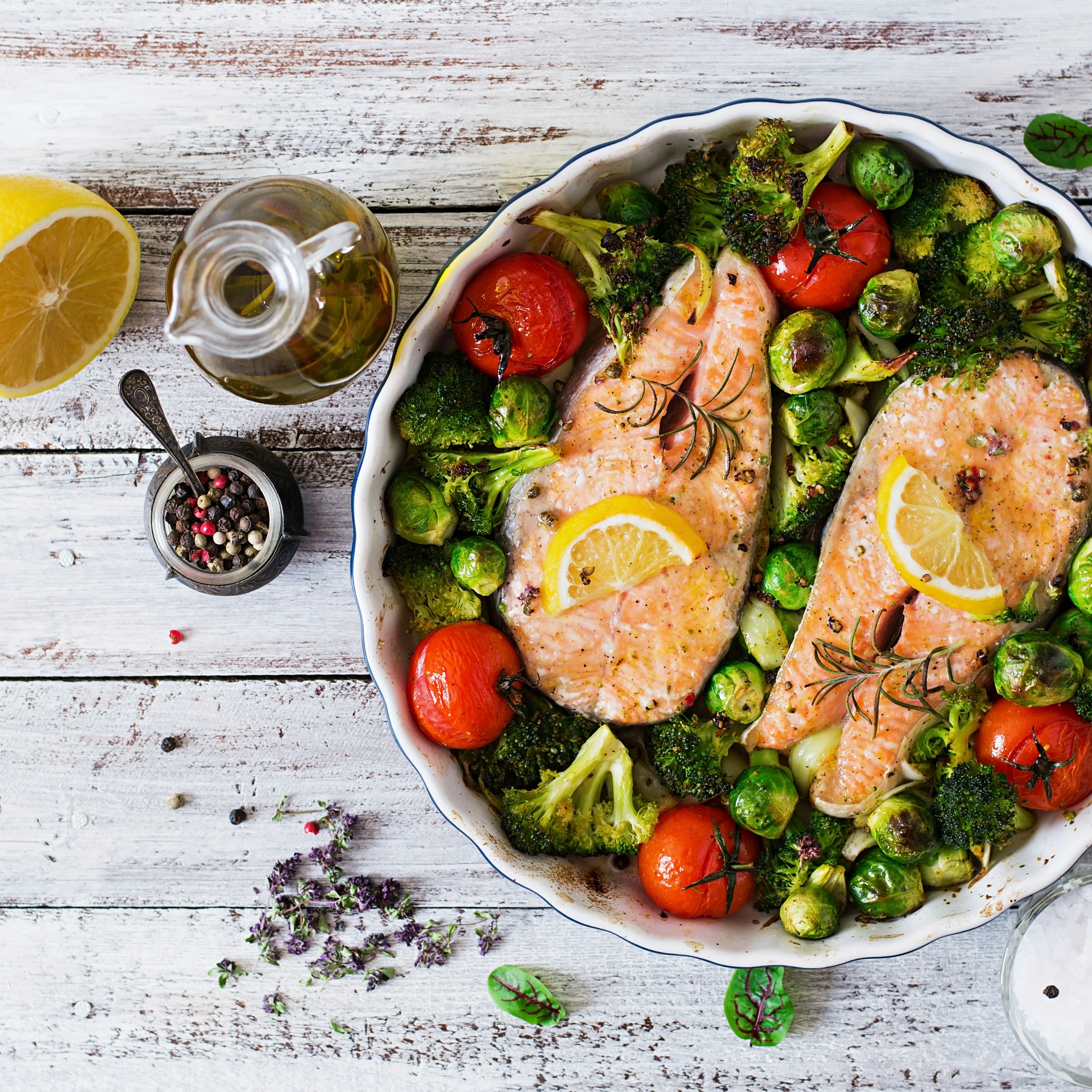
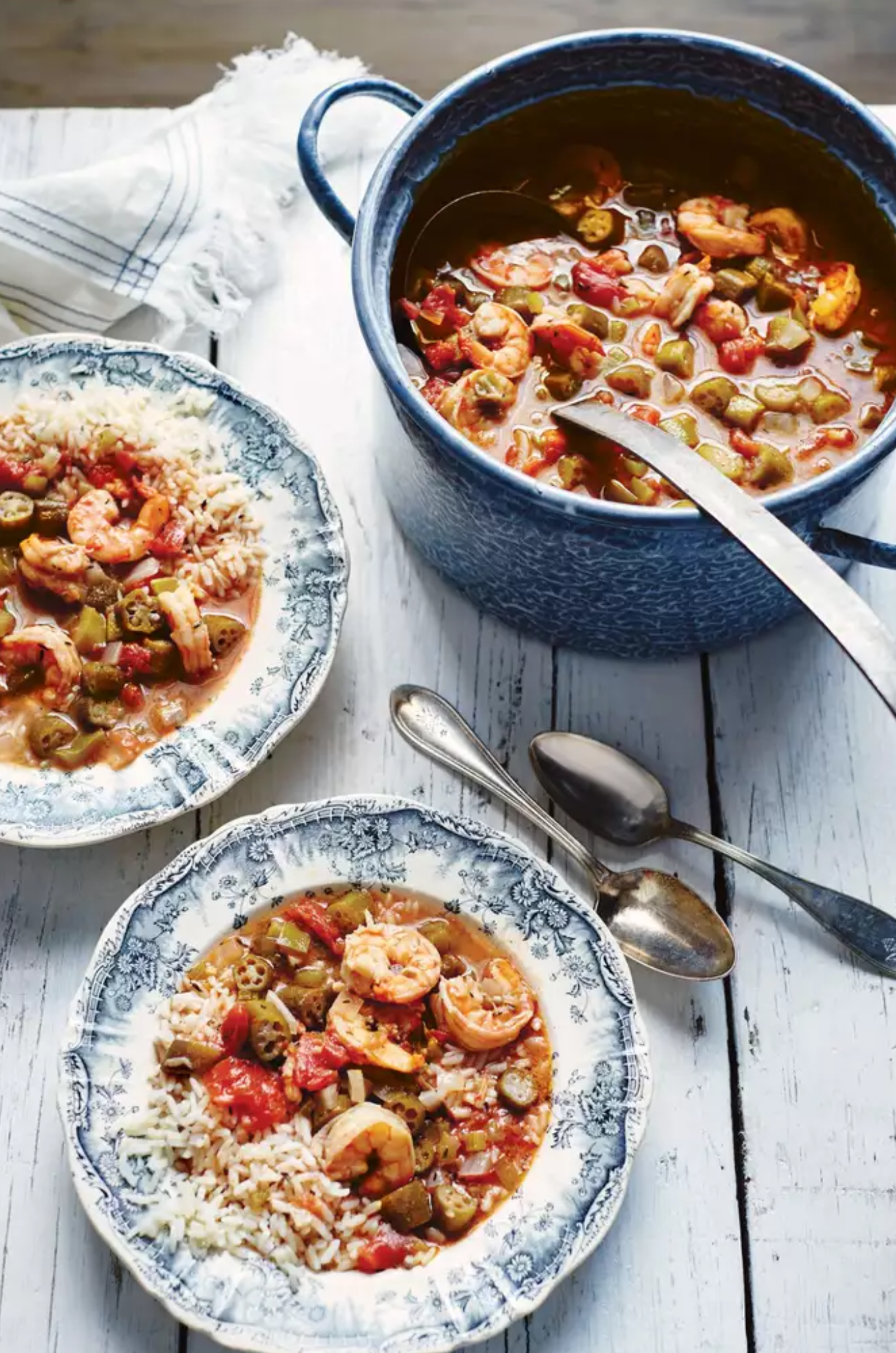
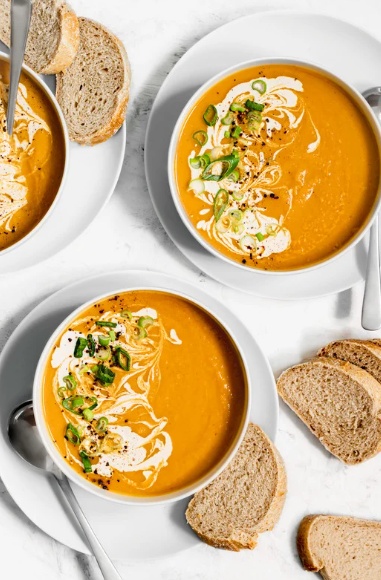
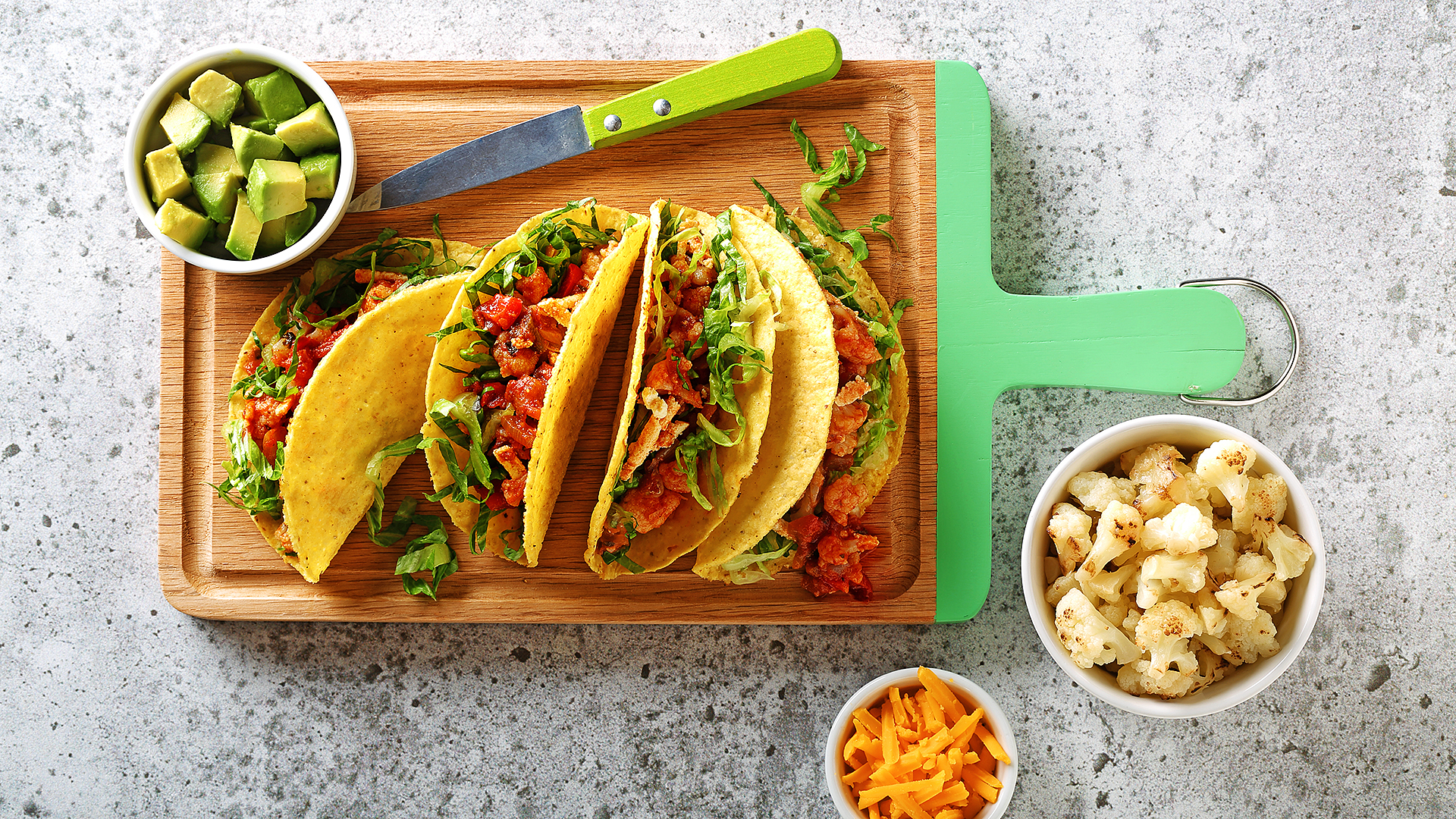
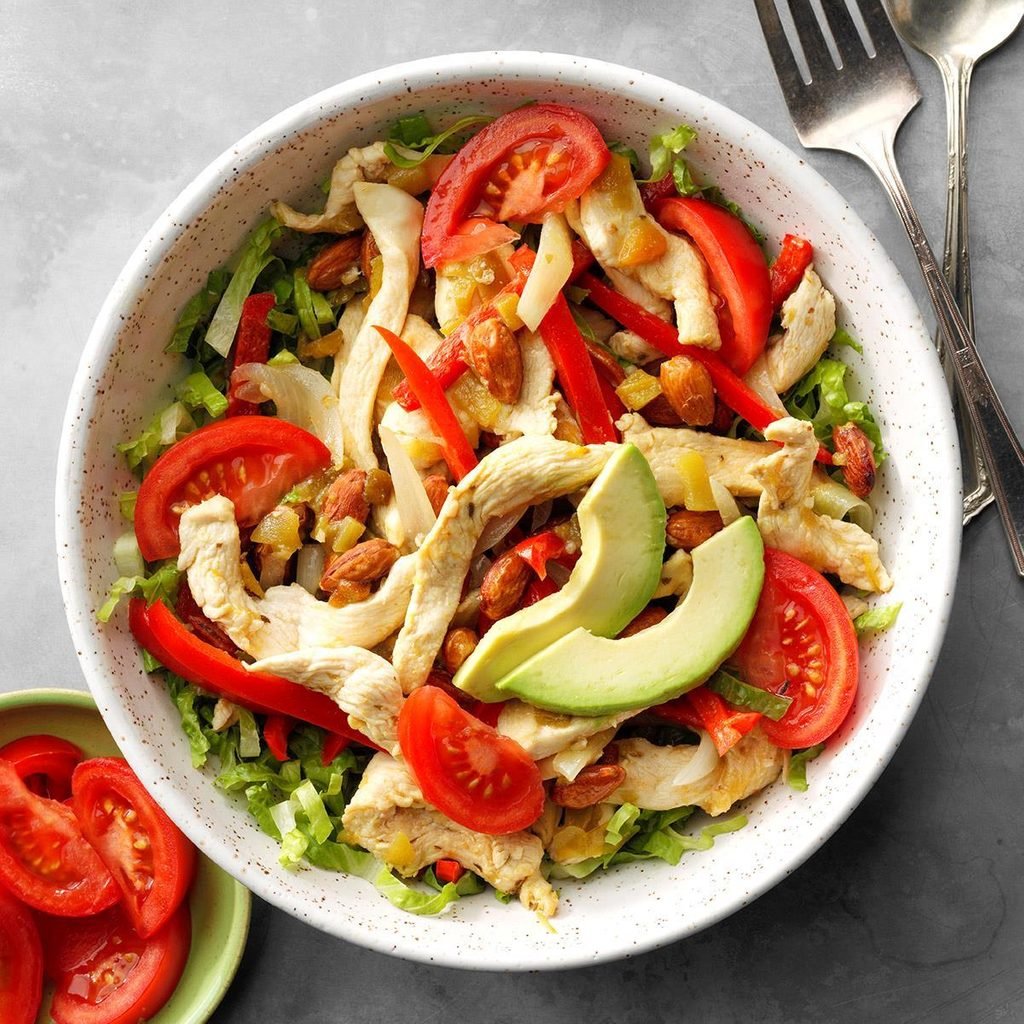
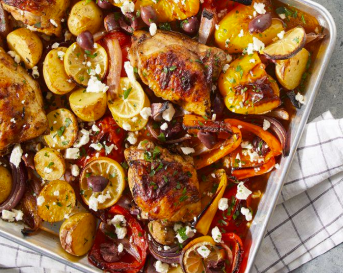
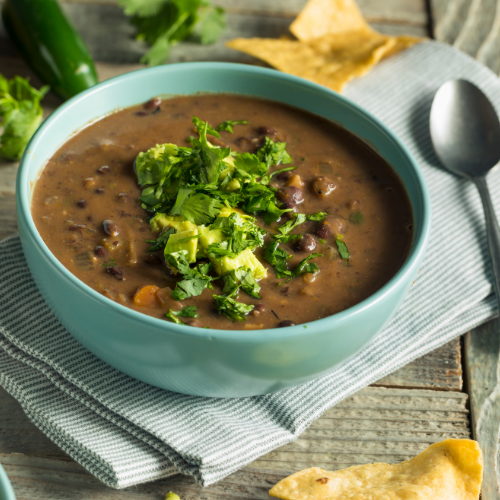
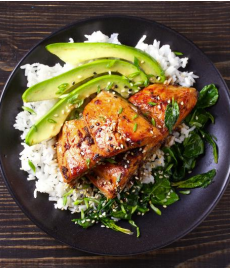
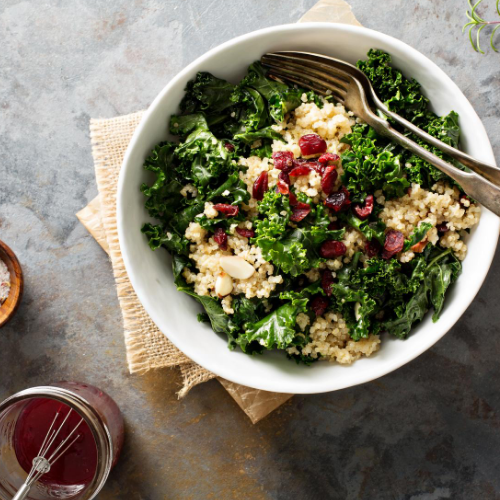
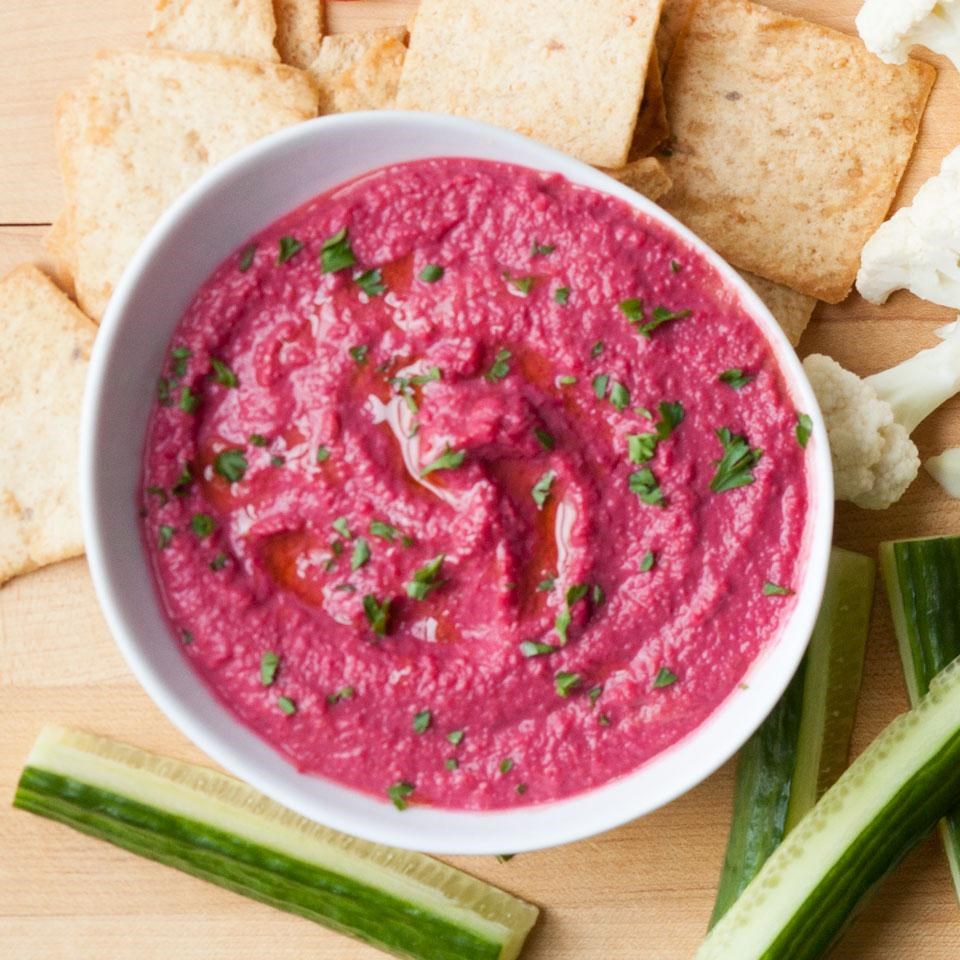
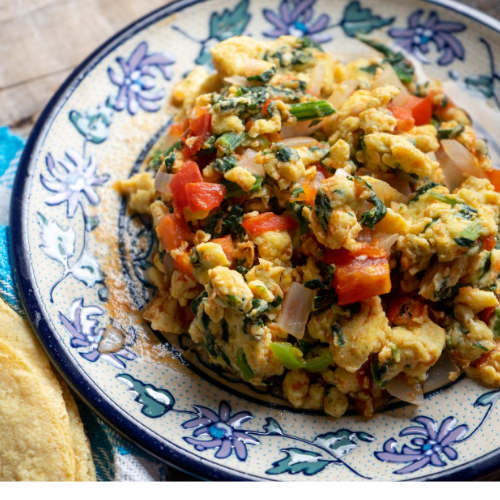
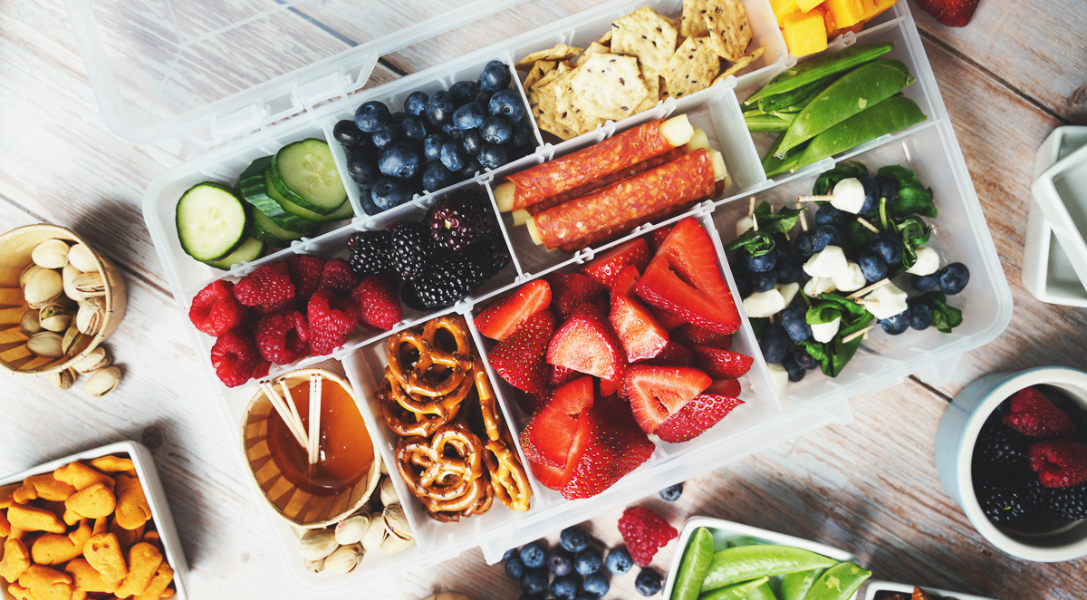
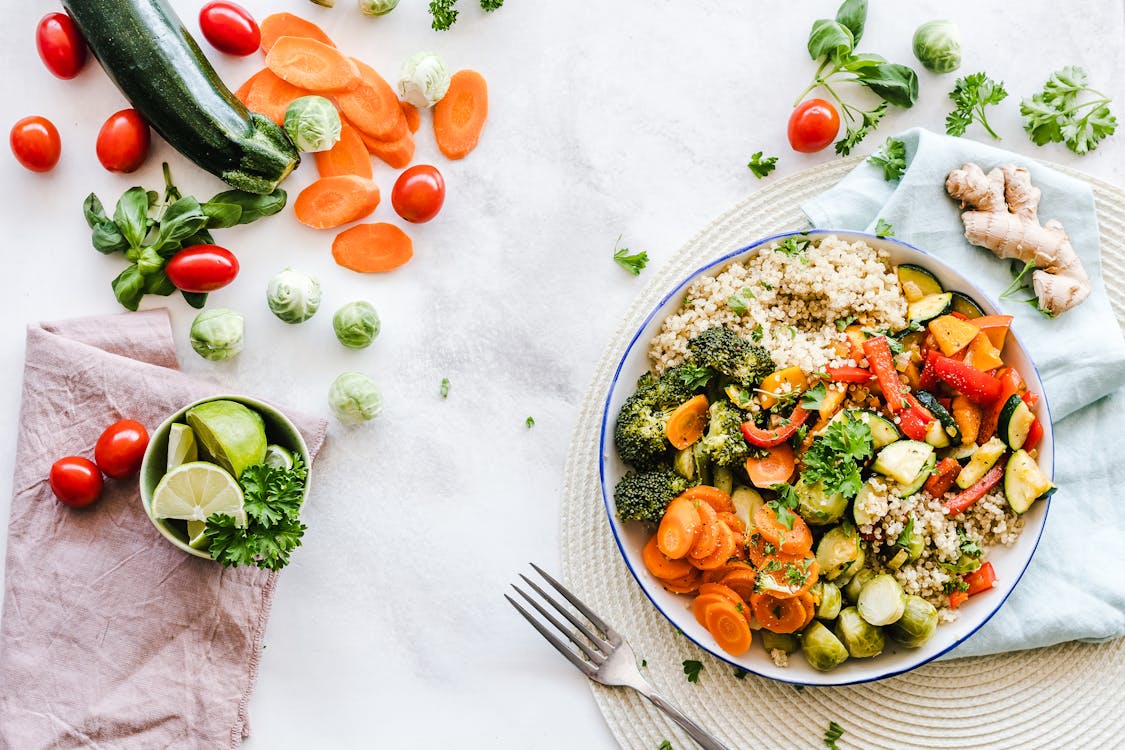
•Plan meals, outfits and activities in advance (e.g., meal prep on Sundays)
•Reduce unnecessary daily choices (e.g., create a weekly meal schedule)
2. Structure your day
•Build a consistent daily routine (e.g., wake up at the same time every day)
•Create to-do lists, habit tracking and time block (e.g., write down top 3 tasks)
3. Prioritize your mental energy
•Tackle more important tasks early in the day (e.g., complete high-priority tasks first)
•Reserve mental energy for more demanding tasks (e.g., avoid distractions)
4. Limit your options
•Simplify your daily routine (e.g., choose from three lunch options)
•Delegate tasks (e.g., share tasks with a teammate)
5. Set your boundaries
•Say no to non-essential demands (e.g., turn down extra commitments)
•Take breaks frequently (e.g., take a 5-minute walk)
Written by Savannah Harrison, Health Promotion Co-op Student